
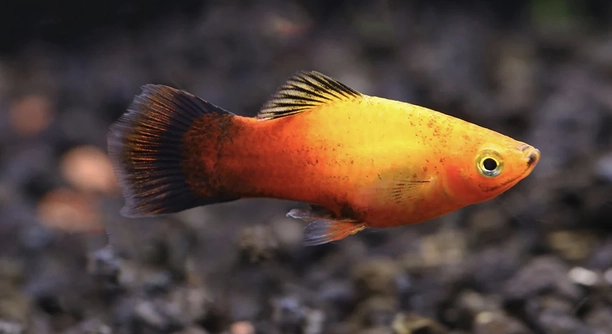
Many fish owners wonder about feeding fry food to their platies. This topic is important because diet directly affects fish health and growth. Understanding what happens when platies eat fry food can help maintain a balanced aquarium environment.
Feeding platies fry food occasionally will not cause serious harm, but it is not ideal for their dietary needs. Fry food is designed for baby fish and may lack the proper nutrients adult platies require for optimal health and growth.
Learning how fry food affects platies can improve your care routine and support their well-being in the long term. This article will explain what to expect and how to feed your platies properly.
What Is Fry Food and Why Is It Used?
Fry food is specifically formulated for baby fish, or fry. It is usually very fine and easy to eat, designed to meet the nutritional needs of young, growing fish. This food is rich in proteins and small enough for tiny mouths to handle. Fry food can come in powdered form or tiny flakes that dissolve quickly in water. It helps support the rapid development and immune system of fry during their early stages.
Because fry food is made for small fish, its ingredients focus on growth and survival rather than the maintenance needs of adult fish. Adult platies require a more balanced diet that includes plant matter and other nutrients not always present in fry food. Feeding adult platies only fry food can lead to nutritional imbalances over time.
Using fry food occasionally for adult platies is generally safe. However, it should not replace their regular diet to ensure they get proper vitamins, minerals, and fiber needed for healthy development.
Fry food serves an important role in raising young fish, but adult platies have different nutritional requirements that fry food alone cannot fulfill adequately.
Effects of Feeding Fry Food to Adult Platies
Feeding fry food regularly to adult platies can cause nutritional deficiencies. Adult platies need a diet that includes vegetable matter, proteins, and minerals. Fry food is too protein-heavy and may lack fiber and vitamins important for adult fish health.
If adult platies consume only fry food, they may experience digestive problems or stunted growth. Their immune system might weaken, making them more vulnerable to diseases. Over time, poor nutrition can lead to dull coloration and reduced activity levels.
To maintain healthy adult platies, it is better to provide a varied diet. High-quality flakes, pellets, and occasional live or frozen foods will meet their dietary needs. Including vegetable-based foods supports their natural herbivorous tendencies and improves digestion.
While fry food is useful for baby fish, adult platies thrive on a balanced diet tailored to their specific nutritional requirements. Offering diverse foods will promote vitality, coloration, and overall health in your platies.
Can Fry Food Harm Adult Platies?
Fry food is not harmful if given occasionally, but feeding it regularly to adult platies can cause problems. Their dietary needs differ from fry, and an unbalanced diet may affect their health over time.
The main issue with feeding adult platies fry food frequently is nutritional imbalance. Fry food is high in protein but low in fiber and essential nutrients needed by adult platies. Without enough fiber, digestion can become inefficient, leading to bloating or constipation. Additionally, a lack of vitamins and minerals may weaken their immune system, making them prone to illness. Adult platies require a diet that mimics their natural feeding habits, which includes plant-based nutrients alongside proteins.
Feeding fry food too often can also cause poor coloration and reduced activity in adult platies. Their energy levels might drop because they do not get the right nutrients to support their metabolism. To maintain healthy fish, provide a balanced diet suitable for their age and species needs.
How to Properly Feed Adult Platies
Feeding adult platies requires a mix of foods to ensure they get balanced nutrition. High-quality flake or pellet food designed for adult tropical fish is the best staple. These products contain the right balance of protein, fiber, and vitamins.
In addition to commercial food, supplementing with live or frozen foods like brine shrimp, daphnia, or bloodworms can provide extra protein and variety. It is important to include some vegetable matter such as blanched spinach or algae wafers to support digestion and mimic their natural diet.
Feed your platies small amounts two to three times a day. Overfeeding can pollute the tank and harm fish health. Remove uneaten food after a few minutes to keep the water clean. By following these feeding practices, you will promote their growth, color, and overall well-being.
Signs Your Platies Are Eating the Wrong Food
If platies eat mostly fry food, you might notice changes in their behavior or appearance. They could become less active or show dull colors compared to usual. Digestive issues like bloating or constipation are common signs as well.
Watching how your platies respond to their diet is important. If they seem sluggish or their fins look unhealthy, it may indicate poor nutrition. These signs suggest a need to adjust their feeding routine to better suit their dietary needs.
Alternatives to Fry Food for Adult Platies
Adult platies do best with food that includes both plant and protein sources. High-quality tropical fish flakes or pellets are designed to meet these requirements. Adding fresh vegetables or algae wafers supports digestion and overall health.
Offering a varied diet helps maintain vibrant colors and strong immune systems. Occasional treats like frozen bloodworms or brine shrimp add protein without overwhelming their digestive systems.
Feeding Frequency for Platies
Adult platies should be fed small amounts two to three times daily. This prevents overfeeding and keeps the tank clean.
What happens if platies eat fry food every day?
Feeding platies fry food daily can cause nutritional imbalances. Fry food is high in protein but lacks sufficient fiber, vitamins, and minerals needed by adult platies. Over time, this can lead to digestive problems such as bloating or constipation. Their immune system may weaken, making them more vulnerable to diseases. Additionally, platies may lose their vibrant coloration and show decreased activity due to poor nutrition. While an occasional feeding of fry food is safe, relying on it as a staple diet is not recommended for adult platies.
Can fry food cause health problems for platies?
Yes, feeding fry food exclusively to adult platies can cause health problems. The lack of proper fiber and nutrients may impair digestion and nutrient absorption. Poor digestion often results in bloating, constipation, or swim bladder issues. A weakened immune system from an unbalanced diet increases susceptibility to infections. Overfeeding fry food might also lead to water quality issues, as uneaten food can quickly pollute the tank. Providing a more balanced diet with plant matter and protein sources helps avoid these problems.
Is it safe to feed fry food to platies occasionally?
Feeding fry food to platies occasionally is generally safe. It can add protein and variety to their diet, which may benefit them in small amounts. However, it should never replace their regular diet of balanced flakes, pellets, and vegetable matter. Using fry food as a supplement rather than a staple prevents nutritional deficiencies and maintains their health over time.
What should I feed adult platies instead of fry food?
Adult platies require a diet that balances protein and plant-based nutrients. High-quality flakes or pellets formulated for tropical fish are ideal. These products contain essential vitamins, minerals, and fiber that support digestion and overall health. Supplementing with live or frozen foods like brine shrimp, daphnia, or bloodworms provides extra protein and variety. Including vegetables such as blanched spinach, zucchini, or algae wafers mimics their natural diet and promotes good digestion.
How often should I feed my platies?
Adult platies should be fed small amounts two to three times a day. Overfeeding can cause uneaten food to decay, polluting the tank and stressing the fish. Feeding multiple small portions ensures they consume the food quickly and reduces waste. Monitor their behavior and adjust portions as needed to maintain healthy fish and clean water.
Can fry food improve platy fry growth?
Yes, fry food is designed to support fast growth in platy fry. It contains finely ground ingredients rich in protein and nutrients that young fish need for development. Fry food’s small particle size makes it easy for tiny mouths to eat and digest. Proper feeding with fry food during this stage helps fry grow strong and healthy, preparing them for transition to adult diets.
Will platies accept fry food?
Adult platies generally will accept fry food if offered, but they may prefer their regular flakes or pellets. Fry food’s fine texture and high protein content can attract them, but relying on it can cause nutritional issues. Platies thrive on a more varied diet that includes vegetable matter, which fry food typically lacks.
How do I transition platy fry from fry food to adult food?
Begin transitioning platy fry by gradually mixing adult flakes or pellets with fry food as they grow. Start this process when fry are about four to six weeks old. Slowly reduce the amount of fry food over two to three weeks while increasing adult food. This helps fry adjust their digestive systems and prevents stress. Providing finely crushed adult flakes at first can make the transition easier.
Can fry food cause water quality problems?
Fry food dissolves quickly and can cloud the water if overfed or left uneaten. Excess food decomposes, increasing ammonia and nitrite levels, which are harmful to fish. Overfeeding with fry food raises the risk of water quality issues more than adult pellets because of its fine particles. Regular water changes and controlled feeding prevent these problems.
Is homemade fry food suitable for adult platies?
Homemade fry food often lacks the balanced nutrients adult platies need. While it can be a good source of protein and freshness, it rarely contains enough fiber and vitamins. If you choose homemade food, combine it with commercial adult fish food and plant matter. This helps ensure adult platies get a complete diet for optimal health.
What are signs that platies are not getting the right nutrition?
Signs include dull or faded coloration, sluggish behavior, loss of appetite, bloating, or swollen bellies. Fin damage and increased susceptibility to disease also indicate poor nutrition. If these symptoms appear, re-evaluating their diet and feeding schedule is important to restore health.
Can feeding fry food cause obesity in platies?
Feeding high-protein fry food excessively can contribute to weight gain if platies consume more calories than they burn. Obesity in fish can lead to health complications like fatty liver disease and reduced lifespan. Balanced feeding with controlled portions prevents overeating and keeps platies at a healthy weight.
How can I balance fry food with adult platy food?
Use fry food as a supplement rather than a staple. Offer it occasionally alongside a primary diet of adult flakes, pellets, and vegetables. Monitor how your platies react and avoid overfeeding. This balance provides variety and extra protein without risking nutritional imbalance.
Is there a difference between fry food brands for adult platies?
Most fry foods are formulated similarly, focusing on protein and small particle size. Differences are usually minor and do not make them suitable as a sole diet for adult platies. Choosing a reputable brand ensures better quality, but adult-specific food remains necessary for balanced nutrition.
Can fry food help platies recover from illness?
Fry food is not designed to support recovery in adult platies. During illness, fish often need easily digestible, nutrient-rich food formulated for adult care. Specialized medicated foods or high-quality adult diets help strengthen the immune system better than fry food.
Are there any benefits to feeding fry food to adult platies?
The main benefit is adding protein and dietary variety. Occasionally feeding fry food can encourage appetite and provide an extra nutrient boost. However, benefits are limited compared to a balanced adult diet. Consistent use without other foods may cause health issues.
How to store fry food for best quality?
Keep fry food in a cool, dry place away from sunlight. Seal containers tightly to prevent moisture and contamination. Proper storage preserves nutrient quality and prevents spoilage, ensuring food remains safe and effective for feeding.
Feeding platies the right food is important for their health and happiness. Fry food is designed specifically for baby fish and contains nutrients that support their rapid growth. While it is fine to offer fry food to adult platies occasionally, relying on it as their main diet is not advisable. Adult platies have different nutritional needs, requiring a balance of protein, fiber, vitamins, and minerals that fry food alone cannot provide. Understanding this difference helps ensure your platies stay healthy and active.
When adult platies eat mostly fry food, they may experience digestive problems and nutritional deficiencies over time. The lack of fiber and essential nutrients in fry food can cause bloating, constipation, and weaker immune responses. These issues may lead to dull coloration and less energetic behavior. Providing a varied diet that includes high-quality flakes or pellets, along with vegetables and occasional live or frozen foods, is the best way to meet their needs. This balanced approach supports their natural diet and helps maintain their vibrant colors and overall well-being.
Feeding your platies small amounts two to three times a day, with attention to proper diet, will keep them in good condition. Removing uneaten food quickly prevents water quality problems and keeps the tank environment healthy. By offering the right mix of foods and watching their health closely, you can enjoy lively, colorful platies for a long time. Proper nutrition is the foundation of good care, and making informed choices about their food will lead to a thriving aquarium.

Hello,
If you enjoy the content that we create, please consider saying a "Thank You!" by leaving a tip.
Every little bit helps us continue crafting quality advice that supports the health, happiness, and well-being of pets around the world, for pets of all shapes, sizes, and species.
We really appreciate the kindness and support that you show us!