
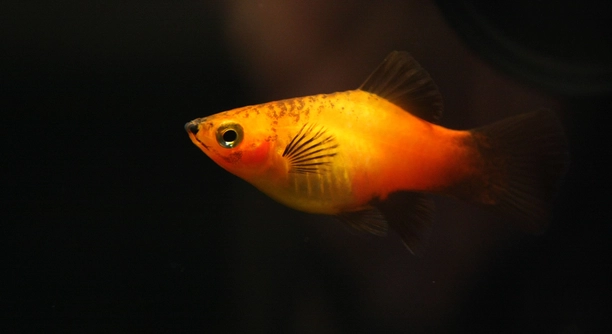
Are your platies suddenly staying still and refusing to swim? This can be concerning for any fish owner who enjoys watching their lively aquarium. Understanding the reasons behind this behavior helps in providing the best care for your pet fish.
Platies may refuse to swim due to illness, poor water quality, stress, or inadequate tank conditions. These factors impact their health and comfort, causing lethargy or hiding behavior. Addressing these issues promptly can restore normal activity levels.
Recognizing these causes is essential for improving your platy’s environment and health. The following information will guide you through common problems and effective solutions.
Common Health Issues Affecting Platies
Platies may stop swimming due to several health problems. Parasites, bacterial infections, and swim bladder disorders often cause lethargy or loss of balance. Parasites irritate the fish, making them weak and less active. Bacterial infections can cause swelling or discoloration, which also affects movement. Swim bladder issues impact buoyancy, so the fish might float awkwardly or sink. Stress from sudden changes in water temperature or poor diet can weaken their immune system, leading to illness. It is important to observe your platy closely for signs like clamped fins, spots, or abnormal swimming. Early detection of health problems increases the chance of successful treatment. Treating the aquarium water and providing a balanced diet help improve their condition. Monitoring water quality regularly also reduces the risk of infections and supports overall fish health.
Health issues require quick attention to prevent worsening symptoms and ensure recovery.
Checking for symptoms and adjusting care can help your platy return to normal activity faster. Healthy water conditions and a proper diet reduce stress and illness. Regular observation allows early identification of problems, helping you act before issues become severe. Treatment options include medication for infections or adjusting water parameters to correct swim bladder problems. Maintaining a clean tank and stable environment keeps your platy comfortable and active.
The Role of Water Quality in Platy Activity
Poor water quality affects platy health and swimming behavior.
Ammonia, nitrite, and nitrate levels must be monitored and kept low, as toxins harm fish. Dirty water reduces oxygen and causes stress, making platies less active. Regular water changes and a good filtration system maintain a healthy environment. Testing kits help track water parameters so you can correct issues early. pH should remain stable, ideally between 6.8 and 8.0, as sudden changes can shock fish. Temperature also influences activity; platies prefer 72-78°F. Avoid overcrowding the tank since it increases waste and reduces water quality. Clean decorations and remove uneaten food to prevent decay. Good water conditions support your platy’s energy and swimming habits, helping it stay lively.
Proper water care is essential for maintaining your platy’s health and encouraging natural behavior.
Stress and Its Impact on Platy Swimming
Stress can cause platies to stop swimming or hide. Changes in environment, loud noises, or aggressive tank mates often trigger stress. It lowers their immune system, making them vulnerable to illness.
Stress results from sudden changes in water temperature, poor tank setup, or overcrowding. Platies prefer calm environments with plenty of hiding spots. Aggressive fish may chase or nip at them, causing fear. Removing stressful factors and providing a stable environment helps platies regain normal behavior. Regular feeding with nutritious food supports their health. Observing your fish daily can help detect stress signs early, such as rapid breathing or erratic swimming. Reducing stress is key to encouraging activity and preventing further health issues.
A calm, well-maintained tank with compatible companions promotes a stress-free life for platies, encouraging them to swim freely and behave naturally.
Tank Conditions Affecting Platy Activity
Tank size and setup significantly influence platy behavior. A small, overcrowded tank limits movement and causes stress. Platies need at least 10 gallons of space for a small group. Plants and decorations offer hiding spots and reduce stress. Proper lighting simulates natural day-night cycles, encouraging regular activity. Avoid sharp objects that can injure fish. Clean the tank regularly to remove waste and prevent algae buildup. The substrate choice also matters; smooth gravel or sand is preferred to avoid harming delicate fins. A well-planned tank environment supports physical health and mental comfort, promoting active swimming. Maintaining good tank conditions helps platies stay healthy and display natural behaviors.
Adjusting tank size and environment to meet platy needs supports their overall wellbeing and encourages consistent activity.
Feeding Habits and Their Effect on Swimming
Overfeeding can make platies lethargic and less likely to swim. Excess food pollutes the water, causing stress and illness.
Underfeeding leads to weakness and low energy. Balanced, moderate feeding supports healthy activity levels and swimming behavior.
Signs of Illness to Watch For
Lethargy, clamped fins, white spots, and unusual swimming patterns often indicate illness in platies. Early detection allows prompt treatment.
How to Encourage Swimming
Regular water changes and a clean tank help keep platies active. Providing live plants or gentle currents can stimulate natural swimming behavior.
When to Consult a Veterinarian
If your platy shows persistent inactivity or signs of illness despite care, seek advice from an aquatic veterinarian for proper diagnosis and treatment.
FAQ
Why is my platy sitting at the bottom of the tank and not swimming?
Platies may rest at the bottom due to stress, illness, or poor water conditions. Swim bladder issues can cause balance problems, making swimming difficult. Also, low oxygen or inappropriate temperature might make them less active. Check water quality and tank parameters first to rule out these causes.
Can platies stop swimming because they are scared?
Yes. Platies are sensitive to loud noises, sudden movements, or aggressive tank mates. Fear can cause them to hide or remain still. Creating a calm environment with plants and quiet surroundings reduces stress and encourages swimming.
How often should I change the water to keep my platy active?
Weekly water changes of 25-30% help maintain clean and stable conditions. This removes toxins and refreshes oxygen levels, which supports healthy behavior. Avoid changing too much water at once, as sudden shifts can stress your fish.
What temperature is best for my platy to swim actively?
Platies prefer water between 72°F and 78°F (22°C – 26°C). Temperatures outside this range can cause lethargy or stress. Use an aquarium heater and thermometer to maintain consistent temperatures for optimal swimming.
Is poor diet a reason for platy inactivity?
Yes, an unbalanced diet lacking essential nutrients weakens platies. Overfeeding can cause obesity and water pollution, leading to inactivity. Feed a varied diet with high-quality flakes or pellets, supplemented with occasional live or frozen foods.
Can overcrowding affect my platy’s swimming?
Overcrowding increases stress and competition for resources. It reduces swimming space, causing platies to hide or become sluggish. Maintain a proper fish-to-gallon ratio, usually one inch of fish per gallon, to avoid overcrowding.
What signs indicate my platy is sick?
Look for clamped fins, white spots, slow or erratic swimming, loss of appetite, and discoloration. These signs often point to infections or parasites. Early treatment is important to prevent worsening conditions.
How can I improve my platy’s swimming behavior quickly?
Start by testing and improving water quality. Perform partial water changes, adjust temperature, and reduce stress factors. Provide hiding spots and ensure proper feeding. If illness is suspected, consider medication after consulting an expert.
Can tank decorations affect platy swimming?
Yes, sharp or overcrowded decorations can limit movement or injure fish. Smooth, well-spaced plants and decorations offer shelter and encourage natural swimming patterns without causing harm.
Is it normal for platies to rest for long periods?
Platies do rest but prolonged inactivity can signal problems. If resting is accompanied by other signs like poor appetite or odd swimming, investigate water quality and health issues.
Do platies need companions to stay active?
Platies are social fish and usually swim more actively in small groups. Keeping at least three can reduce stress and encourage natural behavior. However, avoid overcrowding the tank.
How important is pH for my platy’s activity?
Maintaining pH between 6.8 and 8.0 helps keep platies comfortable. Sudden pH swings cause stress and affect swimming. Regular testing and slow adjustments maintain a stable environment.
When should I consider medicating my platy?
Only medicate if illness symptoms persist after improving tank conditions. Use aquarium-specific treatments and follow instructions carefully. Consult a veterinarian if unsure.
Can lighting influence platy swimming?
Yes. Proper lighting simulates natural day and night cycles, helping regulate activity. Too bright or constant light can stress fish, while insufficient light reduces activity. Use a timer for consistent lighting periods.
What role does oxygen play in platy swimming?
Oxygen is vital for energy and movement. Low oxygen levels from poor filtration or overcrowding make platies lethargic. Ensure good water circulation and avoid overcrowding to maintain adequate oxygen.
Are there any natural ways to encourage swimming?
Adding live plants, gentle water currents, and varied tank décor mimics natural habitats. These elements stimulate exploration and exercise. Avoid sudden changes or loud disturbances to keep your platy comfortable and active.
This FAQ covers common concerns about platies refusing to swim. Addressing these points will help maintain your fish’s health and encourage normal activity.
Final thoughts on why your platy might refuse to swim focus on the importance of creating a stable and healthy environment. Platies are delicate fish that rely heavily on clean water, proper temperature, and a calm atmosphere to feel comfortable. Changes in any of these factors can quickly affect their behavior. Paying close attention to water quality, such as keeping ammonia, nitrite, and nitrate levels low, is essential. Regular water testing and changes help maintain these conditions. In addition, maintaining a stable temperature within the ideal range of 72°F to 78°F supports their overall health. Stress from sudden changes, overcrowding, or aggressive tank mates can also cause platies to stop swimming or hide. Creating a peaceful tank with plenty of hiding spots reduces stress and encourages normal activity.
Health is another critical factor influencing your platy’s swimming habits. Illnesses such as bacterial infections, parasites, or swim bladder problems often cause lethargy or unusual swimming patterns. Observing your fish daily for signs like clamped fins, white spots, or slow movement can help you detect illness early. Early intervention with appropriate treatment or improved tank care increases the chance of recovery. Feeding also plays a role in your platy’s energy levels. Providing a balanced diet with the right amount of food prevents weakness and water pollution. Overfeeding can harm water quality, while underfeeding may cause your fish to lose energy. Maintaining good feeding habits supports your platy’s health and encourages regular swimming.
Overall, understanding the factors that affect your platy’s behavior helps you provide the best care. A combination of clean water, proper tank setup, balanced diet, and low stress creates an environment where platies can thrive and swim actively. Regular monitoring and timely action when problems arise are important steps to keep your fish healthy. By focusing on these basics, you can enjoy watching your platies swim and explore their tank naturally. Taking care of their needs ensures they remain lively and comfortable, improving their quality of life in your aquarium.

Hello,
If you enjoy the content that we create, please consider saying a "Thank You!" by leaving a tip.
Every little bit helps us continue crafting quality advice that supports the health, happiness, and well-being of pets around the world, for pets of all shapes, sizes, and species.
We really appreciate the kindness and support that you show us!