
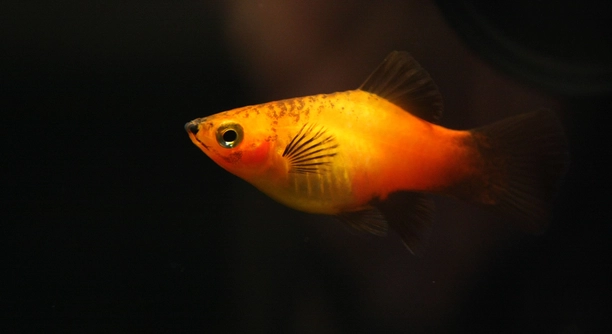
Platies are popular freshwater fish known for their bright colors and peaceful nature. Many fishkeepers enjoy watching their behavior and wonder if these small fish can learn simple tricks. Training platies can be a fun way to interact with them.
Platies can be trained to recognize feeding times and respond to certain cues, such as tapping the tank or using a target stick. Consistent repetition and positive reinforcement are key factors in encouraging this behavior. However, their learning capacity is limited compared to larger or more intelligent fish species.
Exploring easy training methods helps create a stronger bond and enriches your platies’ environment in simple, effective ways.
How to Start Training Your Platies
Training platies begins with understanding their natural behavior. These fish respond well to regular feeding schedules and simple signals. Start by choosing a consistent cue, like tapping the tank gently before feeding. Over time, your platies will associate the sound with food. It’s important to keep training sessions short—just a few minutes daily—to avoid stressing them. Using their favorite food as a reward helps reinforce the behavior. Keep the environment calm and quiet during training to maintain their focus. Avoid sudden movements or loud noises that could scare them. Patience is key since platies learn slowly and need time to connect the signal to the reward. With practice, they may start swimming to the front of the tank when they hear the cue. Training platies can improve their activity levels and make feeding time more interactive for you.
Short, consistent training sessions help platies learn better without causing stress or fear. Patience is essential.
Regularly rewarding your platies with treats builds positive associations. Always be gentle and consistent, making training enjoyable for the fish and easy for you to maintain.
Tools and Techniques to Use
Simple tools like a feeding stick or a small target can improve training success. These help direct the fish’s attention and encourage specific movements. Feeding sticks allow you to place food exactly where you want, guiding platies closer to you. Targets, like a colored object on a stick, can be used to teach your fish to follow or touch it. Combining these tools with verbal or tapping cues increases their effectiveness. Remember, platies are not as quick to learn as some other fish, so keep expectations reasonable. The goal is to encourage small responses, such as swimming toward the target or coming to the front at feeding time. Using these techniques regularly creates a routine and deepens your connection with your platies.
Using basic tools can make training more precise and engaging for your platies.
Consistency and gentle guidance with these techniques help your fish recognize cues and respond reliably over time. Small steps lead to noticeable progress.
Common Challenges When Training Platies
Platies can be shy, which makes training slow. They might hide when approached or ignore cues if they feel stressed. Small tank size or overcrowding can also reduce their interest in learning.
Stress and distractions often interfere with training progress. Loud noises, sudden movements, or other aggressive fish nearby can make platies nervous. It’s important to create a calm environment and keep the tank clean to help them focus. Patience is necessary because platies may take weeks to respond consistently. Sometimes, they simply lose interest if training is too long or frequent. Keeping sessions brief and positive prevents frustration for both you and the fish.
Health issues can also affect behavior. If a platy is not feeling well, it will be less responsive. Regular water changes, proper diet, and monitoring tank conditions help keep platies healthy and more willing to participate in training.
When to Try Advanced Training
After platies respond well to basic cues, you can try more complex tricks. These might include teaching them to swim through hoops or follow a moving target. Use patience and rewards to guide their actions. Advanced training requires more time and consistency but can be very rewarding.
Introducing new challenges too soon can cause stress, so only try advanced training once your platies show reliable responses to simple commands. Keep sessions short and use plenty of treats to encourage participation. Avoid forcing the fish, as platies have limited learning ability. The goal is to enjoy the interaction and keep the fish active, not to expect perfect performance. Consistent, gentle practice will make the process smoother and more enjoyable for both you and your platies.
Best Foods for Training Platies
Small, live foods like daphnia or brine shrimp work well as rewards. Platies also respond positively to high-quality flakes or pellets.
Avoid overfeeding during training. Use tiny portions to keep the fish motivated without harming their health or water quality.
Tips for Maintaining Consistency
Consistent timing and cues make training effective. Train your platies at the same time each day using the same signals. This helps build strong habits.
Keep sessions brief and repeat often to reinforce learning. Consistency is key to seeing steady progress without causing stress.
Signs Your Platies Are Learning
When platies start swimming toward you at feeding cues, they show they’re recognizing signals. This is a good sign of learning.
You might notice them following a target or responding to tapping more quickly. Small improvements indicate they’re adapting to training routines.
When to Stop Training
If platies show signs of stress, such as hiding or erratic swimming, pause the training. Their well-being comes first.
FAQ
Can platies really learn tricks?
Platies can learn simple behaviors, mostly related to feeding cues and basic responses. They are not as intelligent as some other fish, so tricks like following a target or swimming through hoops are limited. However, they do recognize signals like tapping or a feeding stick and often come to the front of the tank when they expect food.
How long does it take to train a platy?
Training time varies, but most platies begin responding to basic cues after a few weeks of consistent practice. Short, daily sessions work best. Patience is important because platies learn slowly and can lose interest if training is too long or inconsistent.
What is the best reward for training platies?
Small live foods like brine shrimp or daphnia are excellent rewards because platies find them highly motivating. High-quality flakes or pellets also work well. Use tiny portions during training to avoid overfeeding and maintain the fish’s interest.
Can platies get stressed from training?
Yes, platies are sensitive to stress. Loud noises, sudden movements, overcrowding, or poor water quality can make them anxious. If they start hiding or swimming erratically, it’s best to pause training and improve tank conditions before continuing.
How often should I train my platies?
Short, daily training sessions of 5 to 10 minutes are ideal. Frequent repetition helps platies form habits without causing fatigue or stress. Avoid long sessions to keep the fish engaged and comfortable.
Is special equipment needed for training?
No special equipment is required, but tools like a feeding stick or a small target can help guide your platies during training. These tools make it easier to direct their attention and reward specific behaviors.
Will all platies learn at the same pace?
No, individual platies vary in how quickly they learn. Some may respond faster, while others take more time or show less interest. Factors like age, health, and environment influence their ability to learn.
Can training improve platies’ overall health?
Training can encourage activity and reduce boredom, which benefits platies’ mental and physical health. Active fish are often healthier and less prone to illness. However, training should never replace proper care, diet, and tank maintenance.
What should I do if my platies don’t respond?
If platies don’t respond, check for stress factors like poor water quality, overcrowding, or illness. Adjust the environment to make it calm and safe. Try changing the training method or reward. Sometimes, a break from training helps reset their interest.
Are there limits to what platies can learn?
Yes, platies have limited cognitive abilities. They can learn to associate simple cues with food but cannot perform complex tricks like some larger fish. Training is best focused on improving feeding behavior and encouraging basic interaction.
Platies are small, peaceful fish that can respond to simple training methods with patience and care. While they may not learn complex tricks like some larger fish, they do show the ability to recognize feeding cues and respond to consistent signals. Training them can be a gentle way to interact and observe their natural behavior more closely. It also adds a bit of activity to their daily routine, which can benefit their overall well-being. Keeping expectations realistic helps avoid frustration and ensures that training remains enjoyable for both you and your fish.
Successful training relies on consistency, short sessions, and positive reinforcement. Using favorite foods as rewards helps encourage platies to respond to cues like tapping or a feeding stick. It’s important to create a calm environment and avoid stress, as platies are sensitive to loud noises or sudden movements. If they show signs of stress, it’s best to pause and focus on improving tank conditions before continuing. Small steps taken regularly can build strong habits, and over time, you may notice your platies coming to the front of the tank at feeding time or following simple targets.
Ultimately, training platies is about enhancing your connection with these lively fish in a low-pressure way. It encourages activity and curiosity while respecting their natural limits. If you decide to try it, remember that patience and kindness go a long way. Whether your platies respond quickly or take their time, the process can make caring for them more rewarding. With simple tools, clear signals, and plenty of positive reinforcement, training can become a pleasant part of your fishkeeping routine.

Hello,
If you enjoy the content that we create, please consider saying a "Thank You!" by leaving a tip.
Every little bit helps us continue crafting quality advice that supports the health, happiness, and well-being of pets around the world, for pets of all shapes, sizes, and species.
We really appreciate the kindness and support that you show us!