
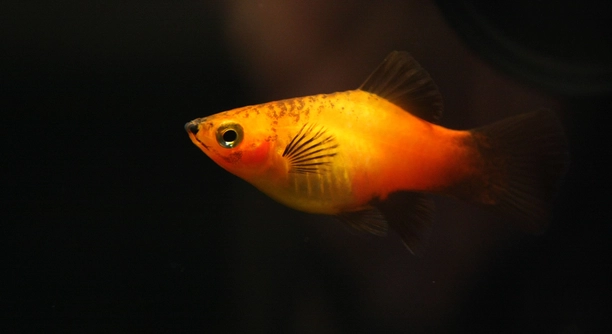
Platies are small freshwater fish popular in home aquariums. Many people enjoy watching their lively movements and bright colors. Their behavior often surprises owners with unique and interesting traits.
Platies display diverse social behaviors, including schooling, territoriality, and mating rituals. They communicate through body movements and changes in color, adapting well to different tank environments and cohabiting peacefully with various species.
Learning about these behaviors can help you create a better habitat. Understanding platy actions makes caring for them more rewarding and enjoyable.
Social Behavior and Group Dynamics
Platies are naturally social fish that prefer to live in groups. When kept together, they form loose schools that swim around the tank in a coordinated way. This schooling behavior helps them feel secure and reduces stress. Inside these groups, platies often display a range of social interactions, from playful chasing to mild displays of dominance. Males especially show off bright colors and perform little dances to attract females. However, platies are not aggressive; their displays usually do not lead to serious fights. Instead, they use body language and quick movements to communicate. These social dynamics create an active and lively aquarium scene, which many owners enjoy observing. Keeping platies in groups of at least four helps maintain this natural behavior. In smaller numbers, platies can become shy or stressed, affecting their health and well-being. Overall, understanding their social needs can improve how you care for them and keep them happy.
Platies use visual cues like color changes and fin displays to communicate with each other. These subtle signals help maintain order and reduce conflicts.
Keeping platies in groups fosters natural behaviors, making your aquarium more engaging. These fish thrive with company, showing their true, colorful personalities only when in a social setting. It also reduces stress and promotes better health, which is essential for their longevity.
Feeding Behavior and Dietary Habits
Platies are omnivores that enjoy a varied diet. They eat both plant matter and small insects or larvae. In the aquarium, they accept flakes, pellets, and frozen or live foods like brine shrimp. Their feeding behavior is active and sometimes competitive, especially during mealtime. They often swim quickly to grab food, but their small size means they should not be kept with much larger or aggressive fish that may outcompete them. Offering a balanced diet rich in vegetables, such as spinach or zucchini, supports their vibrant coloration and overall health. Overfeeding should be avoided, as platies can easily gain excess weight. Feeding small amounts twice daily works best, ensuring they get proper nutrition without water pollution. Monitoring how they eat helps owners adjust portions and food types to meet their needs. A varied diet keeps platies energetic and bright.
Feeding platies with a balanced mix of plant and protein foods supports their health and natural behaviors.
Their diet influences not only their color and growth but also their activity levels. Healthy feeding habits help platies display lively swimming and social interactions. Feeding them properly encourages natural foraging behaviors, which can reduce boredom. These fish often nibble throughout the day, so providing food regularly in small amounts works well. When feeding live or frozen foods, platies become more active and show off hunting skills. Keeping food varied mimics their natural environment and promotes overall wellness. By paying attention to their eating habits, owners can avoid common issues like bloating or poor water quality, ensuring platies stay healthy and happy.
Breeding Behavior
Platies breed easily in home aquariums, often without much intervention. Females can give birth every 4 to 6 weeks.
Male platies display brighter colors and chase females during courtship. Females can store sperm, allowing multiple broods from one mating. After fertilization, the female carries live young for about 24 to 30 days. Fry are independent at birth and should be separated from adults to avoid being eaten. Providing plants or breeding boxes gives the fry places to hide. Proper nutrition for both adults and fry supports healthy growth. Monitoring breeding behavior helps manage population and maintain tank balance. Understanding these details makes raising platies more rewarding.
Successful breeding depends on water conditions and diet. Keeping stable temperature and clean water encourages spawning. Offering a protein-rich diet increases fry survival. Platies are livebearers, which means the young swim immediately after birth, making care easier than with egg layers. Watching them reproduce can be a fascinating part of keeping these fish.
Territorial Behavior
Though generally peaceful, platies sometimes show territorial behavior, especially males. They may chase each other briefly to establish dominance.
Territorial disputes in platies are usually mild and involve short chases or displays rather than injury. Males mark small areas but don’t defend large territories aggressively. Overcrowding can increase tension, so it’s important to provide enough space and hiding spots. Plants and decorations break sight lines, reducing conflict. When the tank is well-arranged, platies coexist peacefully. Observing these small territorial interactions can be interesting and indicates normal social order. Proper tank management helps minimize stress from these behaviors and supports a harmonious aquarium.
Managing territorial behavior includes maintaining proper stocking levels and providing enrichment. A tank with at least 20 gallons is recommended for a small group. More space reduces stress and aggressive behavior. Adding plants or rocks creates boundaries and hiding places that platies use to avoid each other. Recognizing signs of excessive chasing or damage helps owners intervene early. Sometimes rearranging tank decor can reset territories and reduce conflicts. Ensuring balanced male-to-female ratios also lowers aggression. These steps keep platies comfortable and help them live peacefully together.
Interaction with Other Species
Platies generally get along well with other peaceful fish. They avoid aggressive or much larger tank mates.
Their calm nature makes them good community fish. However, sudden movements or bullying by bigger fish can stress them out, so careful tank selection is important to keep them safe and comfortable.
Color Change and Mood
Platies often change colors slightly based on mood or environment. Stress, excitement, or breeding can trigger these shifts.
Color changes signal how platies feel and react to their surroundings. Bright colors usually mean the fish is healthy and active, while dull colors may indicate stress or illness. Watching these changes can help spot problems early.
Resting Behavior
Platies do rest quietly, often near plants or tank decorations. They reduce activity but don’t fully sleep like mammals.
Resting helps platies conserve energy and stay healthy. Providing a calm environment with places to hide encourages regular resting periods.
FAQ
How do platies communicate with each other?
Platies use body movements, color changes, and fin displays to communicate. They signal dominance, readiness to mate, or stress through these subtle actions. For example, a male might flare his fins and brighten his colors to attract a female or warn rivals. Color shifts also reflect mood changes, making communication visible and easy to observe in the tank.
What is the ideal group size for platies?
A group of at least four platies is best. This allows natural schooling behavior and social interactions. Smaller groups can lead to shyness or stress, while larger groups help distribute social attention and reduce aggression. Keeping more females than males can balance behavior and prevent excessive chasing.
How often do platies breed?
Female platies can give birth every 4 to 6 weeks if conditions are right. They are livebearers, meaning they give birth to free-swimming fry rather than laying eggs. The female can store sperm and produce multiple broods from one mating. Providing proper nutrition and clean water encourages frequent breeding.
What do platies eat?
Platies are omnivores that eat both plant and animal matter. In captivity, they accept flakes, pellets, and live or frozen foods like brine shrimp. Vegetables like spinach or zucchini help keep their colors bright. Feeding small amounts twice daily prevents overfeeding and maintains water quality.
How do I prevent platy fry from being eaten?
Platy fry are small and vulnerable. Adding dense plants or breeding boxes offers hiding places. Separating fry into a nursery tank can improve survival rates. If fry remain with adults, providing plenty of cover reduces the chances of predation.
Can platies live with other fish?
Yes, platies are peaceful and coexist well with other small, non-aggressive fish. Avoid large or aggressive species that may bully or eat them. Good tank mates include guppies, mollies, and small tetras.
What causes platies to change color?
Color changes often relate to mood, health, or breeding. Bright colors usually mean the fish is healthy or excited, while dull colors can signal stress or illness. Environmental factors like lighting and water quality also affect coloration.
How much space do platies need?
A 20-gallon tank is recommended for a small group of platies. This provides enough swimming room and reduces territorial disputes. More space is always better, especially if housing other fish species.
What signs show a stressed platy?
Signs include faded colors, hiding, erratic swimming, or loss of appetite. Stress can be caused by poor water conditions, overcrowding, or aggressive tank mates. Regular maintenance and proper stocking help reduce stress.
How long do platies live?
With good care, platies live around 2 to 3 years. Proper diet, clean water, and a stable environment support their health and longevity.
Are platies easy to care for?
Yes, platies are hardy and adapt well to a variety of conditions. They are great for beginner aquarists due to their peaceful nature and simple dietary needs. Regular tank maintenance ensures they thrive.
What is the best way to introduce new platies?
Acclimate new fish slowly by floating their bag in the tank water to match temperature. Gradually add tank water to the bag before release. This reduces shock and helps platies adjust to their new environment safely.
Do platies need special water conditions?
Platies prefer slightly alkaline water with a pH between 7.0 and 8.2 and temperatures from 70°F to 78°F (21°C to 26°C). Stable water parameters and regular changes prevent stress and illness.
Can platies tolerate different water hardness levels?
Platies are adaptable and tolerate a range of water hardness but prefer moderately hard water. Sudden changes should be avoided to keep them healthy.
How often should I clean the tank?
Perform partial water changes of about 20-30% weekly. Cleaning the substrate and filters regularly keeps the tank environment healthy without disturbing beneficial bacteria.
What decorations do platies prefer?
Platies enjoy plants, rocks, and hiding spots. Live plants also improve water quality and provide cover. Decorations that create separate spaces help reduce aggression by breaking sight lines.
Is it normal for platies to chase each other?
Yes, mild chasing is part of their social behavior, especially among males. It usually doesn’t cause harm but should be monitored. Excessive chasing may mean overcrowding or an imbalance of males and females.
Can platies jump out of the tank?
Yes, platies can jump, especially if startled or stressed. A secure lid is important to prevent escapes.
What illnesses commonly affect platies?
Platies can suffer from common freshwater fish diseases like ich, fin rot, or swim bladder issues. Early detection and treatment help prevent serious problems.
How can I tell if a platy is healthy?
Healthy platies are active, have bright colors, clear eyes, and intact fins. They eat regularly and swim without difficulty. Any change in behavior or appearance can indicate health issues.
Do platies interact with humans?
Platies recognize their owners and may swim to the glass during feeding times. They do not show affection like some pets but respond to regular care and feeding routines.
Platies are fascinating fish that bring life and color to any aquarium. Their behavior is easy to observe and often surprising, making them enjoyable pets to keep. From their social interactions to their feeding habits, platies show a range of natural behaviors that help owners understand them better. These fish thrive when given proper care, a balanced diet, and a peaceful environment. Paying attention to how platies act can improve their health and make the aquarium experience more satisfying. Whether you are a beginner or experienced fish keeper, learning about platy behavior helps create a better home for these lively fish.
Understanding platy behavior also means recognizing the importance of their needs. They do best in groups, where they can display natural social behaviors and feel secure. Their active swimming and occasional chasing are part of how they communicate and maintain social order. Providing enough space and hiding places reduces stress and prevents conflicts. Platies are livebearers, which adds another interesting aspect to their care. Watching them breed and raise fry can be rewarding, but it also requires attention to tank conditions and population control. Overall, knowing their habits helps owners create an environment that supports healthy, happy platies.
Finally, caring for platies is simple but requires consistency. Maintaining clean water, stable temperature, and proper feeding routines keeps them healthy and colorful. Observing changes in their behavior or appearance can alert owners to possible health issues early. Although platies are hardy, they still need good conditions to thrive long-term. Taking time to learn about their behavior and needs makes a difference in their well-being. With the right care, platies can live for several years and continue to bring enjoyment through their lively and peaceful nature.

Hello,
If you enjoy the content that we create, please consider saying a "Thank You!" by leaving a tip.
Every little bit helps us continue crafting quality advice that supports the health, happiness, and well-being of pets around the world, for pets of all shapes, sizes, and species.
We really appreciate the kindness and support that you show us!