
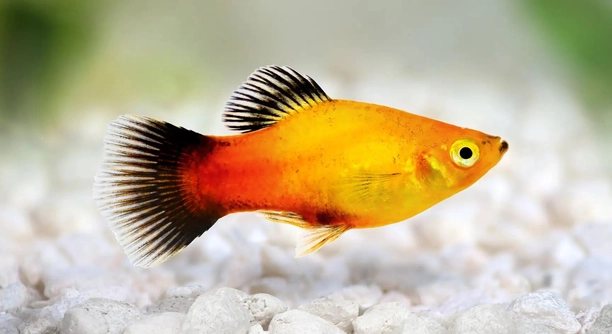
Do you ever find yourself adding more platies to your tank, thinking a few extra won’t hurt their peaceful routine?
Overcrowding platies can lead to stress, poor water quality, aggressive behavior, and a weakened immune system. These conditions reduce their lifespan and increase the risk of illness. Maintaining proper tank capacity is essential for their health and well-being.
There’s more to consider when managing platy populations than just space—it also impacts their behavior, health, and water conditions.
Why Overcrowding Affects Platies So Quickly
Platies are social fish, but they still need personal space to thrive. When too many are kept in one tank, stress builds up fast. This stress weakens their immune systems, making them more prone to illness. Ammonia levels rise quickly in crowded tanks, even with regular cleaning. This leads to poor water quality, causing breathing issues and skin irritation. Aggression can also develop, especially among males. Fins get nipped, and injuries become common. Overcrowding doesn’t just affect individual fish—it impacts the entire tank’s balance. Uneaten food and extra waste throw off the water’s stability, making it harder to maintain a healthy environment.
A tank that’s too full creates constant competition for food and hiding spots. This can lead to bullying and uneven growth.
To keep platies healthy, you’ll need at least 2 gallons of water per fish. Regular tank maintenance becomes even more important in shared spaces. When the environment is balanced, they stay more peaceful and active. Watching them swim freely, with room to explore, is a sign they’re doing well. It’s not just about numbers—it’s about giving each fish the space it needs to feel secure. Managing their tank properly helps avoid illness and behavioral issues that can come from too much crowding.
Signs Your Tank Is Overcrowded
Overcrowded tanks become obvious when fish start acting stressed. You might notice rapid breathing, hiding, or fighting over space and food.
Aggression becomes more noticeable as fish compete for dominance. Male platies especially may become territorial, leading to fin nipping or chasing. In a healthy tank, platies are active and social. But in crowded tanks, they’ll often stick to corners or hide. Poor water quality is another warning sign. Frequent algae blooms, cloudy water, or strong odors suggest waste is building up faster than your filter can handle. You might also see fish hovering near the surface gasping for air—this means oxygen levels are low. Health issues like white spots, fin rot, or bloating can appear more often in crowded tanks due to the added stress. Uneven growth is also common, as dominant fish eat more while smaller ones struggle to get enough. These issues all point back to space. Making sure your platies have enough room helps avoid many of these problems and creates a better environment for them to live in.
How to Prevent Overcrowding in a Platy Tank
Start by calculating the right tank size based on how many platies you plan to keep. A good rule is 2 gallons per fish. This helps keep the water cleaner and reduces stress.
Stick to a consistent limit and avoid adding fish impulsively. When planning your tank, factor in future growth or breeding. Platies breed easily, so even a few can turn into many within weeks. Keep males and females in balanced ratios or separate tanks if needed. Use live plants and decorations to create natural territories, which helps reduce aggression. Monitor water quality regularly, especially ammonia and nitrate levels. Weekly water changes are important in any tank but become essential when stocking numbers increase. If you start to notice behavioral changes, reevaluate your numbers and consider removing some fish or upgrading your tank.
Keeping a separate nursery or backup tank can also help. When fry appear, they’ll need their own space to grow without adding pressure to the main tank. This reduces the risk of stress and illness in adult fish and gives the fry a better chance at survival. Maintaining a controlled population ensures the tank stays balanced and your platies remain active and healthy over time.
What to Do If You’ve Already Overcrowded
Start by testing your water for ammonia, nitrites, and nitrates. If levels are high, do a partial water change immediately. Improve aeration with an air stone or increase filter capacity if needed.
Look at how many fish you have and assess the tank size. If it’s too small, consider rehoming some fish or upgrading to a larger tank. Removing fry or separating males and females can help control future population growth. Add more hiding places to reduce stress and aggression until you can fix the space issue. Avoid feeding too much, as uneaten food worsens water quality. Try smaller, more frequent feedings to ease competition. Keep observing behavior and look for any signs of illness. Treat any sick fish in a separate tank. It’s important to act quickly. Even a few changes can improve tank conditions and help your platies recover from the effects of overcrowding.
How Overcrowding Impacts Water Quality
Too many platies in one tank means more waste, leftover food, and faster ammonia buildup. Even with a good filter, water conditions can become toxic quickly.
Oxygen levels drop in overcrowded tanks, especially at night. This can cause fish to gasp at the surface or become sluggish throughout the day.
The Role of Filtration in Crowded Tanks
Filtration becomes even more important when your tank has more fish than it should. A strong filter helps remove waste and uneaten food, but it can only do so much. If your bio-load is too high, even the best filters struggle to keep up. Choose a filter rated for a tank larger than yours, and clean it often to maintain its effectiveness. Adding a sponge filter or air stone can help improve circulation and oxygen levels. Still, no filter can completely make up for overcrowding, so reducing the number of fish is the best long-term solution.
Feeding Tips for Crowded Tanks
Feed smaller portions twice a day to make sure all fish get food without leftovers. Uneaten food quickly lowers water quality and encourages algae growth.
FAQ
How many platies can I keep in a 10-gallon tank?
A 10-gallon tank is best suited for about 4 to 5 platies. This follows the guideline of 2 gallons per fish, allowing enough swimming space and keeping water quality stable. Overcrowding a small tank with more than 5 platies risks stress and poor water conditions.
What happens if I ignore overcrowding signs?
Ignoring overcrowding signs leads to chronic stress for the fish, which weakens their immune systems. This makes them more vulnerable to diseases like fin rot or ich. Water quality will deteriorate quickly, causing oxygen depletion and toxic ammonia levels. Fish might show aggression, injury, or even die prematurely.
Can platies breed in a crowded tank?
Yes, platies are prolific breeders and will reproduce even in overcrowded tanks. However, fry survival rates drop because of competition and poor water quality. Overcrowding also increases stress, which can reduce breeding frequency or cause health problems for both adults and fry.
How often should I clean my tank if it’s overcrowded?
In an overcrowded tank, water changes should be more frequent—at least twice a week. Regular partial water changes (about 25–30%) help remove excess waste and keep ammonia and nitrate levels down. Frequent cleaning of filters and substrate is also essential to maintain water quality.
Can a bigger filter solve overcrowding issues?
While upgrading to a more powerful filter helps remove waste faster, it cannot fully solve overcrowding problems. Filters support water quality but don’t reduce stress caused by limited space. Overcrowding affects behavior and health beyond what filtration alone can fix.
What are the best plants or decorations for an overcrowded platy tank?
Adding live plants like java moss, anacharis, or hornwort gives platies places to hide and reduces aggression. Decorations such as caves or smooth rocks create territories, helping fish feel secure. Plants also improve water quality by absorbing nitrates, which benefits a crowded tank.
Is it okay to keep only male platies to avoid overcrowding?
Keeping only males prevents breeding and rapid population growth. However, males can become territorial and aggressive, especially in tight spaces. Balancing tank size with the number of males and providing hiding spots can reduce aggression but doesn’t replace proper stocking limits.
How do I rehome platies if my tank is too small?
Contact local fish stores, aquarium clubs, or online communities to find new homes for extra platies. Avoid releasing fish into the wild, as it harms ecosystems. If needed, set up a temporary holding tank while you arrange rehoming or upgrade your tank size.
Can overcrowding cause platies to stop eating?
Yes, stress from overcrowding can make platies lose their appetite. Competition for food or constant harassment by other fish also discourages eating. Ensuring enough space and providing multiple feeding spots helps reduce this problem.
What signs show that my platies are stressed?
Stress signs include rapid breathing, hiding, clamped fins, faded colors, and erratic swimming. Aggression and injuries also indicate stress. If you see these signs, check for overcrowding and water quality problems immediately.
Are there specific water parameters to watch closely in a crowded tank?
Yes, ammonia, nitrite, nitrate, and oxygen levels are critical. Ammonia and nitrites should always read zero. Nitrates should stay below 20 ppm. Oxygen levels must remain high, especially at night, to prevent fish from gasping at the surface. Regular testing helps catch problems early.
How long does it take for overcrowding effects to show?
Effects can appear within days or weeks, depending on how crowded the tank is. Rapid ammonia spikes or aggressive behavior may be noticeable quickly. Other issues like illness or slow growth develop over weeks if overcrowding continues.
Can I use water conditioners to help an overcrowded tank?
Water conditioners remove chlorine and detoxify ammonia but are not a solution for overcrowding. They can reduce immediate water toxicity but don’t address the root cause—too many fish in too little space. Regular water changes and population control remain essential.
What is the best way to monitor platy health in a crowded tank?
Observe your fish daily for changes in behavior, appetite, and appearance. Keep track of water parameters regularly with test kits. Maintaining a clean tank and reducing stress factors helps keep platies healthy even in more populated tanks.
Do overcrowded tanks increase algae growth?
Yes, extra waste and uneaten food in crowded tanks provide nutrients that promote algae growth. Excessive algae can reduce oxygen and further degrade water quality. Controlling fish numbers and cleaning the tank regularly helps prevent algae problems.
How important is aeration in an overcrowded tank?
Aeration boosts oxygen levels, which can drop quickly in crowded tanks. Using air stones or adding surface agitation helps improve gas exchange, keeping fish healthier. Aeration supports filtration but should be combined with population control for best results.
Overcrowding platies in a tank can cause many problems that affect their health and happiness. When too many fish live in a small space, stress levels rise, water quality drops, and aggression becomes more common. These conditions can lead to illness and shorter lifespans for your platies. It’s important to keep a proper balance between the number of fish and the size of the tank to maintain a stable environment. Giving each fish enough space allows them to swim freely, find hiding spots, and behave naturally. This helps reduce stress and keeps your platies healthier for longer.
Maintaining good water quality is one of the biggest challenges in an overcrowded tank. Even the best filters can struggle to keep up when there is too much waste from many fish. Ammonia and nitrate levels can rise quickly, which is harmful to platies. Regular water changes and tank cleanings are necessary to keep these levels in check. Adding live plants and decorations can also improve water quality by absorbing excess nutrients and providing shelter. However, no matter how well you care for the tank, overcrowding will always put your fish at risk. It is far better to prevent problems by keeping the population within safe limits rather than trying to fix issues after they occur.
If your tank is already overcrowded, taking quick action is key. Testing the water, performing frequent water changes, and possibly upgrading to a larger tank or rehoming some fish can improve conditions. Separating males and females or moving fry to a different tank helps control population growth. Observing your platies closely for signs of stress or illness allows you to act early before problems worsen. Overcrowding is a common mistake, but it can be avoided with proper planning and care. Providing a healthy and comfortable environment ensures your platies live active, happy lives, making your aquarium more enjoyable for both you and your fish.

Hello,
If you enjoy the content that we create, please consider saying a "Thank You!" by leaving a tip.
Every little bit helps us continue crafting quality advice that supports the health, happiness, and well-being of pets around the world, for pets of all shapes, sizes, and species.
We really appreciate the kindness and support that you show us!