
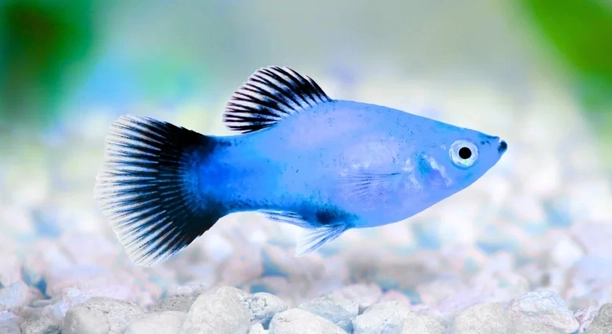
Platies are popular freshwater fish known for their vibrant colors and peaceful nature. Many fishkeepers enjoy watching their behavior, especially during breeding times. Understanding what normal breeding looks like can help in caring for these lively pets.
Normal breeding behavior in platies includes males actively chasing females, displaying vibrant colors, and performing a quick, side-by-side mating swim. Females carry fertilized eggs internally and give birth to live young, typically without requiring special intervention from keepers.
Knowing these behaviors helps ensure a healthy environment for your platies and supports their natural life cycle in home aquariums.
Signs of Healthy Breeding Behavior in Platies
When platies begin breeding, males show clear signs of interest toward females. You will notice males chasing females gently around the tank. This chasing is part of their courtship. The males often display brighter colors, which is a natural way to attract the females’ attention. During this period, males swim close alongside females, sometimes touching their sides briefly. Females might try to avoid persistent males, but this is normal behavior in the breeding process. It is important to provide enough space and plants in the tank to give females places to rest if needed. A well-maintained environment with stable water conditions also encourages natural breeding behavior. Observing these actions regularly can help you identify when breeding is taking place and ensure that your platies feel comfortable and secure during this time.
Healthy breeding behavior means the fish are actively engaging in their natural reproductive patterns without signs of stress or aggression.
A clean tank with proper water parameters encourages consistent breeding. Overcrowding can cause stress, reducing breeding activity. Adding hiding spots helps females avoid excessive chasing. This balance supports a peaceful environment where platies can mate naturally and safely, resulting in healthier offspring and happier fish.
Preparing Your Tank for Platy Breeding
Before breeding begins, setting up the tank properly is essential. A tank of at least 10 gallons is recommended to provide enough room. Maintain water temperature around 72–78°F (22–26°C) and keep pH near neutral. These conditions help create an environment suitable for breeding. Including live plants or decorations offers hiding places for females and fry (baby fish). Good filtration and regular water changes keep water clean, which reduces stress on the fish. Avoid adding aggressive or larger tank mates, as they can interfere with breeding and harm the fry. Feeding your platies a varied diet rich in protein supports their health and increases the chances of successful breeding. By preparing the tank carefully, you create the best conditions for your platies to breed naturally and thrive.
Identifying Mating Behavior in Platies
Mating behavior in platies is easy to spot once you know what to look for. Males chase females, often following closely and nudging them gently. This behavior can last for several minutes, sometimes repeating throughout the day.
During courtship, male platies display brighter colors to attract females. They swim alongside the female in a side-by-side motion, which signals their intention to mate. This action is quick but frequent during breeding periods. Females may appear to avoid the males, swimming away or hiding among plants, but this is a normal part of the process. Watch for these behaviors to understand when mating is actively happening in your tank.
Sometimes, a male may compete with others for a female’s attention, which can cause brief moments of chasing or mild sparring. This is natural, and with enough space, aggression usually stays minimal. Providing plants and hiding places helps females manage stress during these interactions.
Caring for Pregnant Female Platies
Pregnant female platies benefit from a calm, clean environment to reduce stress. Maintaining stable water conditions supports their health during pregnancy. Avoid sudden changes in temperature or water chemistry, which could harm the female or her developing fry.
Feeding the female nutritious, protein-rich foods helps support healthy growth for both her and the fry. Small, frequent meals of high-quality flakes, frozen foods, or live foods like brine shrimp are ideal. Overfeeding should be avoided to maintain water quality.
Pregnant females often seek quiet areas with plants or decorations where they can rest safely. Providing plenty of hiding spots allows them to feel secure until they give birth. Removing overly aggressive tank mates before birth can prevent stress and injuries. Watching for swelling and changes in behavior helps track the pregnancy stage and prepare for fry care.
Signs of a Ready-to-Give-Birth Female
A pregnant female platy’s belly will grow noticeably larger as the fry develop inside her. The gravid spot near her rear fin darkens, becoming more visible. These changes signal that birth is approaching soon.
You may also notice her behavior change. She might become less active and seek out quiet hiding spots in the tank. This is normal as she prepares to give birth.
What to Expect During Birth
When the female is ready, she will give birth to live fry, often in the early morning or late evening. The process usually lasts a few hours, with babies born one at a time or in small groups. The fry are fully formed and independent from birth.
It’s common for the female to rest between births. After delivery, she may resume normal behavior quickly, but some females show signs of fatigue. Having plenty of plants or breeding grass in the tank offers protection for the newborns as they start exploring their surroundings.
Caring for Newborn Fry
Newborn platy fry are tiny and vulnerable. Providing gentle filtration and avoiding strong water currents helps keep them safe. Feeding them with finely crushed flakes or specialized fry food supports their early growth and development.
FAQ
How long does it take for platies to breed?
Platies can start breeding when they are about 3 to 4 months old. Once mature, females can become pregnant quickly after mating. The gestation period usually lasts around 24 to 30 days. This timing can vary slightly depending on water temperature and tank conditions.
How many fry does a female platy give birth to?
A female platy typically gives birth to between 20 and 50 fry at one time. The exact number depends on her age, size, and health. Younger or smaller females tend to have fewer fry. It’s important to prepare the tank with enough hiding places to protect the newborns from being eaten by adults.
Can platies breed with other fish species?
Platies may sometimes hybridize with closely related species like swordtails or mollies if kept together. However, crossbreeding is rare and usually happens only in shared tanks with multiple livebearer species. For clear and healthy breeding, it’s best to keep platies separate from other species.
How can I tell if a platy is male or female?
Male platies have a pointed anal fin called a gonopodium, which is used during mating. Female platies have a fan-shaped anal fin. Females are usually larger and rounder, especially when pregnant. Observing these features makes it easier to separate sexes for breeding purposes.
Do platies need special care during breeding?
Platies do not require complicated care to breed, but stable water quality and a balanced diet are essential. Avoid overcrowding and provide plants or decorations for hiding spots. Keeping the water temperature between 72 and 78°F helps encourage natural breeding behaviors.
Will all the fry survive in a community tank?
In a community tank, many fry do not survive because adult fish may eat them. To increase survival rates, use a breeding box or a separate nursery tank. Dense plants and floating cover can also help fry hide and avoid predators in a community setup.
How often can platies breed?
Female platies can become pregnant again soon after giving birth, sometimes within a few days. This means they can produce several batches of fry in a few months if conditions are right. To avoid stress on the female, it’s good to manage breeding frequency by separating sexes or giving breaks between pregnancies.
What should I feed platy fry?
Platy fry need small, frequent feedings of high-protein foods. Finely crushed flakes, powdered fry food, or baby brine shrimp are excellent choices. Feeding tiny amounts multiple times a day supports their growth without polluting the water.
How can I reduce aggression during breeding?
Provide plenty of space and plants to reduce stress and aggression among males competing for females. Avoid overcrowding and separate overly aggressive males if needed. A well-planted tank gives females places to escape persistent males, keeping the environment peaceful.
Can platies breed year-round?
Platies can breed year-round in indoor aquariums where temperature and lighting are stable. Natural light cycles or consistent artificial lighting also help maintain regular breeding patterns. Outdoor tanks may see slower breeding in colder months due to temperature drops.
Is it necessary to remove the female after birth?
It’s not always necessary to remove the female after birth, but she may eat some fry if hungry or stressed. Providing hiding spots for fry can reduce this risk. If you want to protect most of the fry, separating the female or using a breeding box can help improve survival chances.
Platies are one of the easier livebearer fish to care for, especially when it comes to breeding. Their natural breeding behaviors, like males chasing females and the female giving birth to live fry, make the process straightforward to observe and understand. By paying attention to these behaviors, you can tell when your platies are ready to mate and when a female is close to giving birth. Watching these signs helps you create a better environment for your fish and supports their natural life cycle.
Taking care of the tank is just as important as understanding the breeding behavior. Clean water, proper temperature, and enough space are all needed to keep your platies healthy and happy. Providing plants or decorations offers hiding places for both females during pregnancy and for the newborn fry after birth. This setup reduces stress for your fish and protects the babies from being eaten. Feeding your platies a balanced diet with enough protein also encourages regular breeding and helps the fry grow strong.
Breeding platies can be a rewarding experience, but it also requires some planning. Knowing what to expect from the mating process and birth helps you be prepared to care for the new fry properly. If you keep the tank conditions stable and offer a safe space for your fish, you will see successful breeding and healthy offspring. Whether you are new to keeping platies or have had them for some time, understanding their breeding behavior is key to enjoying these lively and colorful fish.

Hello,
If you enjoy the content that we create, please consider saying a "Thank You!" by leaving a tip.
Every little bit helps us continue crafting quality advice that supports the health, happiness, and well-being of pets around the world, for pets of all shapes, sizes, and species.
We really appreciate the kindness and support that you show us!