
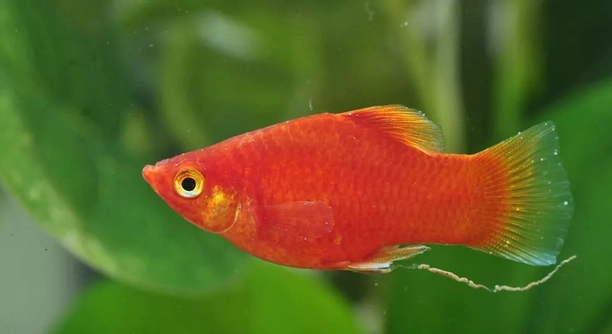
Platies are popular freshwater fish that many people enjoy keeping in home aquariums. They are known for their bright colors and peaceful nature, making them a favorite among beginner and experienced fish owners alike. Understanding their social needs is important for their well-being.
Platies are social creatures that generally thrive better when kept with other fish, including their own kind. Loneliness can impact their behavior and stress levels, so providing companionship helps promote a healthier and more active environment for them.
Knowing how platies interact with others can improve the quality of care they receive. This article explores their social behavior and offers insights to help ensure their happiness in your aquarium.
Social Behavior of Platies
Platies are naturally social fish that enjoy living in groups. In the wild, they swim in small schools where interaction with others helps them feel secure and reduces stress. When kept alone in a tank, platies may become shy or inactive, which can affect their overall health. Having tank mates encourages them to explore their environment and display natural behaviors like chasing and schooling. It also provides mental stimulation that keeps them engaged. Providing a group of at least three to five platies or compatible species helps create a balanced social atmosphere. This reduces aggression and competition while promoting peaceful coexistence. Their gentle nature means they usually get along well with other non-aggressive fish, which can enhance the aquarium’s activity. Watching a lively group of platies can be rewarding because their colors and movements add life to any tank setting.
In short, platies thrive best when they have company in the aquarium. Group living benefits their emotional and physical well-being.
Providing a social environment for platies supports their natural instincts and helps maintain a stable tank dynamic. This leads to healthier fish that are more likely to display their vibrant colors and energetic behavior. A well-populated tank also reduces boredom and stress-related illnesses. When considering tank mates, it is important to choose species that share similar water conditions and temperaments. Avoiding aggressive fish helps prevent injuries and unnecessary stress. Regular observation is key to ensuring all fish coexist peacefully. Adjustments in group size or tank setup can be made if signs of discomfort or aggression appear. Proper care and attention to social needs will result in happier platies and a more enjoyable aquarium experience.
Signs of Loneliness in Platies
Lonely platies often show changes in behavior that can be noticeable to an attentive observer. They may become less active, hiding more frequently or losing interest in food. These signs suggest the fish are stressed or bored without companions. Some platies might swim erratically or display repetitive movements, which can indicate frustration. Lack of social interaction may also weaken their immune systems, making them more susceptible to disease.
When platies are kept with others, they generally appear more confident and lively. The presence of companions encourages natural schooling behavior and social interaction. In a group, platies often engage in playful chasing and display their bright colors more vividly. Monitoring these behaviors helps fish owners determine if their platies’ social needs are being met. If loneliness symptoms are present, adding compatible tank mates or increasing group size can improve their well-being. Creating a stimulating environment with plants and hiding spots further supports their mental health and reduces stress.
Ideal Tank Companions for Platies
Platies do best with peaceful fish that share similar water requirements. Avoid aggressive or very large species to keep the environment calm and safe.
Suitable tank mates include guppies, mollies, and swordtails, which thrive in similar conditions and behave calmly around platies. These species have comparable water temperature and pH needs, helping maintain stability. Avoid fin-nipping fish, as platies have delicate fins that can be damaged easily. Small, non-aggressive bottom dwellers like Corydoras catfish also make good companions since they occupy different tank levels. It’s important to maintain a balanced number of fish to prevent overcrowding and reduce stress. Adding plants and decorations provides hiding spots, improving comfort for all tank inhabitants and reducing territorial disputes.
Choosing appropriate tank mates ensures platies remain active and stress-free. A well-planned community tank enhances their natural behaviors and overall health.
Creating a Healthy Social Environment
A healthy social environment starts with proper tank size and setup. A minimum of 20 gallons is recommended for a small group of platies to swim freely without overcrowding. Maintaining clean water through regular changes and a good filtration system reduces stress and disease risks. Plants, rocks, and decorations create hiding places that help fish feel secure. Social interactions flourish in a calm and stable environment where fish can establish territories without conflict.
Proper feeding routines also support social health. Feeding small amounts multiple times daily prevents competition and aggression during meals. Balanced nutrition helps maintain vibrant colors and strengthens immunity. Monitoring water parameters like temperature, pH, and ammonia levels is essential to keep the tank environment consistent and comfortable. Stability in water conditions encourages natural social behavior and reduces stress-related issues. Regular observation allows quick responses to changes in fish behavior or health. These steps contribute to a thriving community where platies and their companions coexist peacefully.
Tank Size Recommendations
A proper tank size is crucial for platies to thrive socially. A 20-gallon tank or larger is ideal for a small group, providing enough space for swimming and interaction. Crowding can lead to stress and aggression.
Larger tanks also help maintain stable water conditions, which support healthier fish. Providing adequate space encourages natural schooling and reduces territorial disputes. This creates a more balanced and peaceful aquarium environment for platies and their companions.
Feeding and Social Interaction
Feeding platies in small, frequent portions reduces competition and aggression during meal times. Offering a varied diet with flakes, pellets, and occasional live food keeps them healthy and engaged. Mealtime is a good opportunity to observe social behavior and detect any signs of stress or loneliness early.
Signs of Stress from Isolation
When platies lack social contact, they may become withdrawn or lethargic. They might hide more often and lose their usual bright colors. Such changes signal emotional stress and a need for social interaction.
Maintaining Balance in the Aquarium
Keeping a balanced number of fish prevents overcrowding and promotes peaceful coexistence. Proper stocking helps platies feel secure and active within the community.
FAQ
Can platies live alone?
Platies can survive alone, but it is not ideal for their well-being. Being solitary may cause stress and boredom, leading to less activity and duller colors. They are social fish that benefit from companionship and interaction with other fish, which helps keep them healthy and engaged.
How many platies should be kept together?
A small group of at least three to five platies is recommended. This number allows them to interact naturally without overcrowding the tank. Keeping too few can increase the risk of loneliness, while too many can cause stress from limited space and competition for resources.
What fish can safely live with platies?
Platies do well with peaceful, similar-sized fish that share their water needs. Good companions include guppies, mollies, swordtails, and small bottom dwellers like Corydoras catfish. Avoid aggressive or fin-nipping species, as platies have delicate fins and a calm temperament.
Do platies need hiding places?
Yes, hiding spots are important. Plants, rocks, and decorations provide shelter and security, reducing stress and aggression. These areas allow platies to retreat when feeling threatened or shy, helping maintain a peaceful tank environment.
How do I know if my platy is lonely?
Signs of loneliness include reduced activity, hiding often, and loss of appetite. They may also show dull colors or unusual swimming behavior, like pacing or staying still for long periods. Watching for these signs helps you respond quickly by adding tank mates or improving their environment.
Can platies get along with other types of fish?
Platies generally get along with peaceful fish that do not compete aggressively for food or territory. It’s important to choose species with compatible water parameters and similar temperaments to avoid stress and injury. Researching each species before introducing them is always a good idea.
Is it necessary to keep male and female platies together?
Keeping both males and females together is natural for breeding behavior, but it’s not required for social reasons. However, if you keep males only, they might show increased aggression toward each other. A balanced mix can reduce stress and encourage natural social behavior.
How often should I feed my platies?
Feeding small amounts two to three times a day is best. This routine prevents overeating and competition during meals. A varied diet of flakes, pellets, and occasional live or frozen food helps keep platies healthy and vibrant.
What water conditions do platies prefer?
Platies thrive in water temperatures between 70°F and 78°F (21°C to 26°C) with a pH of 7.0 to 8.2. Stable water quality is important to avoid stress. Regular water changes and proper filtration help maintain these conditions and promote a healthy environment.
Can loneliness affect a platy’s health?
Yes, loneliness can lead to stress, which weakens the immune system and makes platies more vulnerable to disease. Providing social interaction through tank mates and a stimulating environment supports both mental and physical health.
How can I introduce new fish to a platy tank?
Introduce new fish slowly and carefully to reduce stress and aggression. Quarantine new arrivals first to prevent spreading disease. Adding new fish at the same time can help reduce territorial behavior, and providing plenty of hiding spots eases the adjustment.
Do platies need constant companionship?
Platies do best with regular social interaction but do not require constant company. They benefit from a balanced environment where they have both group activity and space to rest. Proper tank conditions and companions help create this balance.
What if I can’t keep multiple platies?
If keeping a group is not possible, ensure the single platy has an enriched environment with plenty of plants and hiding places. Consider peaceful fish species that can provide some interaction without causing stress or harm.
How do I maintain a peaceful platy community?
Maintain good water quality, provide enough space, and choose compatible species. Avoid overcrowding and monitor fish behavior regularly. Adding plants and decorations creates natural boundaries that help reduce conflicts.
Can platies breed in a community tank?
Yes, platies can breed easily in community tanks. If breeding is not desired, it’s best to keep only males or separate sexes. Otherwise, expect fry to appear, which may require special care or tank arrangements.
These answers help ensure platies remain happy and healthy by addressing common concerns about their social needs and care. Following these guidelines creates a thriving aquarium environment.
Platies are social fish that benefit from having companions in their tank. While they can survive alone, living without other fish may lead to stress, loneliness, and less active behavior. Keeping them in small groups allows platies to interact naturally, helping them stay healthy and vibrant. A peaceful environment with compatible tank mates supports their social needs and encourages natural behaviors like swimming together and exploring. This social interaction improves their overall quality of life and reduces the chances of stress-related illnesses.
Creating the right environment for platies means considering tank size, water quality, and decorations. A tank of at least 20 gallons is recommended for a small group to provide enough space for swimming and territory. Clean water and stable conditions are essential to prevent stress and disease. Adding plants, rocks, and hiding spots helps platies feel secure, reducing anxiety and promoting calm behavior. Feeding them small portions multiple times a day with a varied diet supports their health and keeps them active. Monitoring their behavior regularly ensures any signs of loneliness or discomfort can be addressed quickly.
Understanding platies’ social nature is important for anyone who wants to keep them happy in an aquarium. Choosing peaceful tank mates that share similar water needs, providing proper space, and maintaining good water conditions all contribute to a thriving community. While platies do not need constant companionship, a well-balanced environment with social interaction benefits their mental and physical health. By paying attention to these factors, you can create a healthy and enjoyable habitat that allows platies to show their best colors and natural behaviors.

Hello,
If you enjoy the content that we create, please consider saying a "Thank You!" by leaving a tip.
Every little bit helps us continue crafting quality advice that supports the health, happiness, and well-being of pets around the world, for pets of all shapes, sizes, and species.
We really appreciate the kindness and support that you show us!