
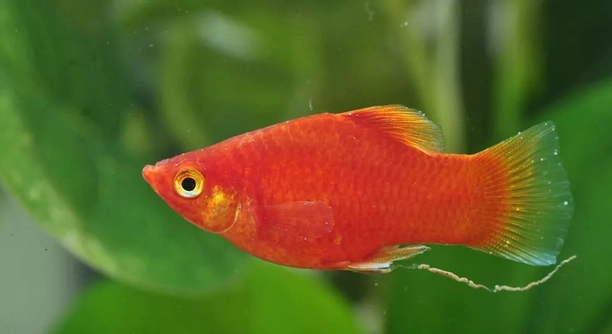
Do you ever find yourself setting up a small bowl for your new platies, thinking it might be just enough space?
Platies should not be kept in bowls due to their need for proper filtration, oxygenation, and consistent water parameters. Bowls lack the space and equipment required to support their health, often resulting in stress, illness, or premature death.
Understanding the risks can help you make better choices for your platies’ environment, ensuring they stay healthy, active, and safe.
Why Bowls Are Unsafe for Platies
Bowls do not provide a stable or healthy environment for platies. These active fish need space to swim, and bowls are simply too small. Without a filter or heater, bowls can’t maintain clean water or stable temperatures. This causes stress, weakens their immune system, and increases the chance of disease. Platies also produce waste quickly, which builds up in a bowl and leads to toxic ammonia levels. Even regular water changes won’t be enough to keep conditions safe in such a small space. Bowls also offer little surface area for oxygen exchange, making it hard for your platies to breathe properly. In short, bowls cannot support the basic needs of your fish, no matter how often you clean them. For long-term health, your platies need more than a decorative setup—they need proper care, equipment, and space. A tank with filtration, heating, and enough room is essential for their well-being.
Bowls can cause a lot of harm, even if you’re trying your best to keep them clean.
If you’ve already placed your platies in a bowl, it’s best to transition them to a proper tank as soon as possible. Look for a tank that holds at least 10 gallons and has a good filter. You’ll also need a heater to keep the water temperature stable, since platies are tropical fish and need warmth to thrive. Adding live plants and hiding spots can reduce stress and create a more natural setting. Be sure to cycle the tank before moving your fish—this builds up beneficial bacteria that help manage waste. Avoid transferring them too quickly, as sudden changes in water quality can cause shock. Test the water regularly for ammonia, nitrite, and nitrate levels. A proper tank setup may take a little more time and effort, but it will help your platies stay active and healthy. They’ll be more colorful, social, and live longer in the right environment.
What Platies Really Need
Platies are hardy but still require consistent care. They thrive in warm, clean water with enough room to swim and explore.
A proper tank setup gives your platies everything a bowl cannot. They need at least 10 gallons of water, with a filter to remove waste and a heater to maintain a temperature between 72–78°F. A tank also provides space for natural behavior like chasing and exploring, which keeps them active and healthy. You can add live plants to improve water quality and provide hiding spots that reduce stress. Clean water is vital, so partial water changes should be done weekly to remove toxins and keep the environment stable. Platies also benefit from being in small groups. They are social fish and feel safer when they’re not alone. In a well-maintained tank, they become more active and show brighter colors. A bowl, no matter how decorative, can’t meet these needs. A well-equipped tank helps your platies live a longer and healthier life.
Common Mistakes with Bowl Setups
Many people assume bowls are fine for small fish like platies because of their size. However, bowls lack filters, heaters, and space—three essential things platies need to stay healthy, active, and stress-free in their environment.
Using untreated tap water is another common mistake. Tap water often contains chlorine or chloramine, which can harm or kill fish. Without a filter, toxins build up quickly, leading to poor water quality and health problems. Overfeeding is another issue—excess food decays and pollutes the bowl, increasing ammonia levels. Without a heater, the water temperature can fluctuate daily, stressing the fish. Many also add platies to a bowl before it’s properly cycled. This can result in “new tank syndrome,” where toxic levels of ammonia and nitrites spike. These conditions are harsh on platies and often lead to illness. While it may seem convenient, a bowl setup usually causes more harm than good.
Cleaning the bowl completely too often can also shock the fish. Many people empty out all the water at once, thinking it helps. But this removes helpful bacteria that keep water conditions stable. Instead, water changes should be partial—about 25% each week. Skipping this step lets toxins build up quickly. Platies also need consistent lighting and a day-night cycle, which bowls often don’t provide. Their behavior and feeding habits rely on this routine. Decorations that are too sharp or small can also trap waste or injure your fish. A proper tank setup avoids these issues by providing the space and tools needed to manage them. It also gives you more control over water quality and temperature. A bowl might seem easier at first, but it creates a setup where even basic care becomes difficult. Making small upgrades helps prevent most of these mistakes and supports a healthy home for your platies.
Signs Your Platy Is Unhappy in a Bowl
When platies are stressed or unhealthy, their colors often fade. You might also notice them hiding more or swimming near the surface. These are early signs that something is wrong with the water or their environment.
Lethargy is another warning sign. Healthy platies are active swimmers, so if your fish stays still or rests at the bottom, it may be struggling to breathe or handle poor water conditions. Gasping at the surface means there’s not enough oxygen in the bowl. You might also see torn fins or signs of fin rot, which can come from dirty water or stress. Rapid gill movement is a clear sign of discomfort. Refusing food or spitting it out shows they’re not feeling well. Unusual swimming patterns—like twitching, floating sideways, or rubbing against objects—are often signs of ammonia poisoning or infection. Catching these symptoms early can make a big difference. Moving your platy to a proper tank with clean, filtered water can help them recover. Even small changes in setup can greatly improve their health and activity.
What to Use Instead of a Bowl
A 10-gallon tank is the minimum recommended size for keeping platies. It gives them space to swim, reduces waste buildup, and allows for proper filtration and heating. This size supports their social nature and helps maintain stable water conditions.
A rectangular glass or acrylic aquarium works best. Choose one with a tight-fitting lid to prevent jumping. Include a sponge or hang-on-back filter, a reliable heater, and a thermometer. Add live plants, hiding spots, and smooth decorations to create a balanced environment. This setup will help your platies stay active, healthy, and stress-free every day.
Basic Equipment for a Healthy Tank
To keep your platies healthy, you’ll need a few key items. A filter is necessary to remove waste and keep water clean. A heater maintains the warm temperature platies need. An aquarium thermometer helps you monitor the water temperature daily. A water conditioner removes harmful chemicals from tap water before adding it to the tank. You’ll also need a test kit to check ammonia, nitrite, and nitrate levels. Include a gravel vacuum for cleaning and an algae scraper for maintenance. Weekly partial water changes and regular filter checks are part of basic care. These simple tools make fishkeeping easier and more effective.
Final Thoughts on Platies in Bowls
Bowls make it hard to meet the basic needs of platies. A proper tank setup supports their health, comfort, and long-term well-being.
FAQ
Can platies survive in a bowl for a short time?
Platies might survive briefly in a bowl, but it is not safe or healthy for them. Without filtration and proper oxygen levels, water quality deteriorates quickly. Even short periods can cause stress, which weakens their immune system and makes them vulnerable to disease. Bowls should only be used for temporary holding during cleaning or moving fish, never as a permanent home.
How often should water be changed in a bowl?
If you must keep a platy in a bowl temporarily, water changes should happen daily or every other day. Only replacing 25-50% of the water helps avoid shocking the fish. Using treated water is essential to remove chlorine or chloramine. Despite frequent changes, bowls rarely maintain safe water conditions long enough for healthy platies.
What size tank is best for platies?
A tank of at least 10 gallons is recommended for platies. This size allows enough swimming space and helps keep water stable. Larger tanks are easier to maintain because they dilute toxins and maintain temperature better. Platies also benefit from having tank mates, so more space prevents overcrowding and stress.
Do platies need a heater?
Yes, platies are tropical fish that require a stable water temperature between 72°F and 78°F. A reliable aquarium heater keeps the water warm and consistent. Without proper heating, temperature fluctuations cause stress and can lead to illness or death. Using a thermometer to monitor temperature daily is also important.
Can platies live with other fish?
Platies are peaceful and social, so they do well with other non-aggressive fish. Ideal tank mates include guppies, mollies, tetras, and corydoras catfish. Avoid large or aggressive fish that might bully or eat platies. A community tank with compatible species provides stimulation and reduces loneliness.
How often should I feed my platies?
Feed platies small amounts of food once or twice daily. Only offer what they can eat in 2-3 minutes to avoid overfeeding. Excess food pollutes the water and harms fish health. A varied diet including flakes, pellets, and occasional live or frozen foods keeps them healthy and colorful.
What are signs of poor water quality in a platy tank?
Cloudy water, foul smells, algae overgrowth, and sick-looking fish all indicate poor water quality. Fish may gasp at the surface or hide more than usual. Testing water regularly for ammonia, nitrites, and nitrates helps catch problems early. Performing partial water changes and cleaning the filter maintain a safe environment.
Is it okay to keep only one platy?
Platies are social fish and do better in groups of at least three. Keeping a single platy can cause stress and reduce their activity levels. Groups encourage natural behavior like schooling and playing. If space is limited, ensure plenty of hiding spots and monitor their behavior closely.
How long do platies usually live?
With proper care, platies can live between 2 and 4 years. A clean tank, stable water parameters, good diet, and social environment all contribute to a longer lifespan. Bowls or poor conditions typically shorten their lives due to stress and disease.
What should I do if my platy looks sick?
If a platy shows signs of illness—such as faded colors, clamped fins, lethargy, or abnormal swimming—test the water first. Poor water quality is often the cause. Perform a partial water change and check temperature. If symptoms persist, isolate the fish in a quarantine tank and consider appropriate treatment for common diseases. Early action increases the chances of recovery.
Are live plants necessary in a platy tank?
Live plants are not absolutely necessary but highly recommended. They improve water quality by absorbing nitrates and provide natural hiding spots, reducing stress. Plants also create a more natural environment and enhance the tank’s appearance. Hardy plants like Java moss or Anubias work well with platies.
How do I cycle a new tank for platies?
Cycling a tank establishes beneficial bacteria that break down fish waste. This process takes 4-6 weeks and requires adding ammonia or fish food to start bacteria growth. Testing water regularly for ammonia, nitrites, and nitrates shows when cycling is complete. Adding platies before cycling is done can expose them to toxic levels and cause illness. Patience during setup helps create a safe home.
Final Thoughts
Keeping platies in a bowl is not a suitable choice for their health or happiness. Bowls are too small and lack the necessary equipment like filters and heaters to maintain clean, stable water. Without these, harmful toxins build up quickly, and water temperature can change, causing stress for the fish. Platies need enough space to swim and explore, which a bowl cannot provide. Over time, the poor conditions in a bowl often lead to illness or even death. Even though bowls may seem simple and decorative, they do not meet the basic needs of platies, which should always be a priority for anyone caring for these fish.
Providing a proper tank environment is the best way to ensure platies live a long and healthy life. A tank of at least 10 gallons with a filter and heater offers the right conditions. Filters help keep the water clean by removing waste and harmful chemicals. Heaters maintain a consistent temperature, which is important for tropical fish like platies. The extra space in a tank also allows for plants and decorations, which make the environment more natural and less stressful. This kind of setup encourages healthy behavior, vibrant colors, and social interaction among the fish. While it takes more effort and investment than a bowl, the benefits far outweigh the drawbacks.
Ultimately, caring for platies means understanding their needs and providing an environment that supports their well-being. A bowl is not enough, and even the best intentions cannot replace proper care and equipment. Choosing the right tank setup will make a big difference in your fish’s health and happiness. By avoiding common mistakes and keeping water quality high, your platies will thrive. This thoughtful approach ensures your fish are not only beautiful to watch but also enjoy a comfortable and safe home.

Hello,
If you enjoy the content that we create, please consider saying a "Thank You!" by leaving a tip.
Every little bit helps us continue crafting quality advice that supports the health, happiness, and well-being of pets around the world, for pets of all shapes, sizes, and species.
We really appreciate the kindness and support that you show us!