
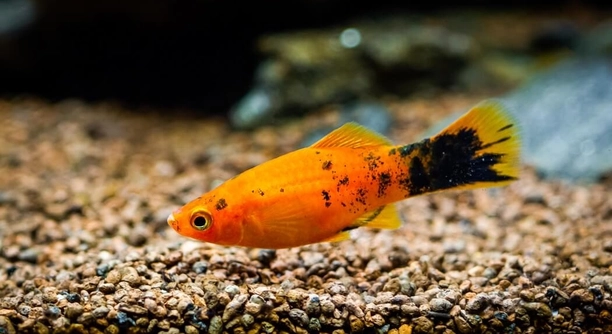
Platies are popular freshwater fish loved for their bright colors and peaceful nature. Many fishkeepers enjoy having them in home aquariums. Knowing how to tell if your platy fry are male or female helps in managing your fish population better.
The primary way to differentiate male and female platy fry is by examining their anal fins. Males have a pointed, rod-like gonopodium used for breeding, while females display a fan-shaped anal fin. This physical difference becomes more noticeable as the fry mature.
Identifying the sex of your platy fry early can assist with breeding decisions and tank management as they grow. This guide will help you recognize the key traits clearly.
Physical Differences Between Male and Female Platy Fry
Male and female platy fry show noticeable differences in their anal fins as they grow. Males develop a gonopodium, a narrow, pointed fin used for reproduction, while females have a broader, fan-shaped anal fin. This feature usually becomes visible after a few weeks. Aside from the anal fin, females tend to have rounder, fuller bodies, especially when they mature or carry eggs. Males are generally slimmer and more streamlined. Color differences may also appear, but they are less reliable in young fry because coloration can vary widely. Observing these traits closely under good lighting helps to identify the sexes accurately. Careful handling is important to avoid stressing the fry during examination.
Sexing platy fry is mainly about noticing the shape of their anal fins and body shape differences. These traits become easier to spot over time.
Understanding these physical distinctions early helps maintain a balanced aquarium and prevents unwanted breeding. It also allows you to prepare for the needs of each sex, such as diet and tank space. Keeping male and female fry separately can help control population growth and reduce stress among fish. With patience, identifying these characteristics becomes simpler and more reliable. This knowledge supports a healthier environment for your platies to thrive.
When to Start Identifying Sex in Platy Fry
It is best to begin checking the sex of platy fry around four to six weeks of age, once their fins and body shapes develop clearly.
During the first few weeks, fry are too small to distinguish. Around one month, the gonopodium begins to form in males, while females show their wider anal fins. Early identification can help separate males and females if you want to avoid breeding or plan to breed selectively. Handling should be gentle, using a small net and calm water conditions to reduce stress. Regular observation over several days improves accuracy because some differences may develop slowly. Avoid moving fry too often during this delicate stage, as it may affect their health or growth. Recognizing the right time to start sexing helps you manage your aquarium better and ensures your fish remain healthy and comfortable.
Observing Behavioral Differences
Male and female platy fry show different behaviors as they mature. Males often swim more actively and chase other fish, while females tend to be calmer and more reserved. These behavioral signs become more noticeable after physical traits appear.
Active chasing by males is part of their mating behavior. Males patrol the tank, seeking females to breed with, and may sometimes appear more aggressive toward other males. Females usually focus on feeding and resting more than chasing. These differences help confirm sex when physical traits are unclear. Behavior can vary depending on tank size, population, and environment. A crowded tank may increase male aggression, while a spacious one allows more peaceful interactions.
Observing behavior alongside physical features gives a fuller picture of sex differences. This helps when visual cues are subtle. Over time, recognizing these patterns will make it easier to separate males and females or decide on breeding plans. Paying attention to their habits also contributes to better care and a calmer tank environment.
Environmental Factors Affecting Sex Identification
Water quality and tank conditions influence how clearly sex traits develop in platy fry. Poor conditions can delay or obscure physical differences.
Stable water parameters like temperature, pH, and cleanliness support healthy growth and proper development of sex characteristics. Stress from overcrowding, sudden changes, or poor diet can slow maturation or make it harder to see differences. Fry in ideal environments grow more uniformly and display traits more clearly. Inconsistent conditions might cause color fading or stunted fin growth, complicating sex identification. Proper filtration and regular water changes are essential. Feeding a balanced diet rich in protein also promotes development. Monitoring and maintaining good conditions ensures fry develop visibly and healthily, making it easier to tell males from females as they grow.
Lighting and Visibility Tips
Good lighting is important when identifying platy fry sex. Bright, natural light or a well-lit aquarium helps reveal fin shapes and body differences clearly.
Avoid harsh or direct light that may stress the fry. Soft, even lighting improves visibility without causing discomfort or erratic behavior, making observation easier.
Tools for Accurate Sexing
Using a magnifying glass or small aquarium net can help get a closer look at the fry’s anal fin. Patience and a steady hand are essential to avoid harming the delicate fish. Clear tanks and calm water also assist in accurate identification.
Separating Male and Female Fry
Separating males and females early can prevent unwanted breeding and reduce stress. Using separate tanks or dividers helps control population growth and maintains a balanced aquarium environment.
Feeding’s Role in Development
Proper feeding supports healthy growth and the clear development of sex traits. A balanced diet rich in protein encourages stronger colors and better fin formation.
FAQ
How soon can I tell the sex of my platy fry?
You can usually start identifying the sex of platy fry around four to six weeks after they hatch. At this stage, males begin developing their gonopodium, while females show a broader anal fin. Before this time, the fry are too small and similar to distinguish clearly.
Can I be sure of the sex by just looking at color?
Color alone is not a reliable way to tell males from females in young platies. Both sexes can have varied and bright colors, and these may change as they grow. It’s better to focus on the shape of the anal fin and body structure for accurate sexing.
What if I can’t see the anal fin clearly?
If the anal fin is hard to see, try improving lighting and use a magnifying glass or camera to get a closer look. Observing behavior alongside physical traits can also help. Wait a few more days or weeks as the fry mature, making differences more visible.
Does separating males and females affect their growth?
Separating males and females does not negatively affect growth. In fact, it can reduce stress and prevent overcrowding. This helps maintain good water quality and gives each fish enough space, promoting healthier development overall.
How important is diet in sex development?
Diet plays a significant role in the healthy growth of platy fry and the clear development of sex characteristics. A protein-rich diet supports stronger colors, better fin formation, and overall vitality. Feeding high-quality flakes, frozen, or live foods contributes to well-developed fry.
Can environmental stress change sex characteristics?
Stress from poor water quality, overcrowding, or sudden changes can delay or affect the development of sex traits. Maintaining stable tank conditions is crucial to ensure fry grow normally and display clear differences between males and females.
Is it possible to mistake young males for females or vice versa?
Yes, especially in very young fry, mistakes can happen because physical differences are subtle. Patience and careful observation over time reduce this risk. Using multiple signs like anal fin shape, body form, and behavior improves accuracy.
When do male platies develop their gonopodium fully?
Male platies begin developing the gonopodium around four to six weeks old, but it may take a little longer for it to become fully formed and functional. Watching growth regularly helps track when the gonopodium appears clearly.
Should I use any special tools for sexing platy fry?
A magnifying glass or macro lens can be helpful for close inspection. A small, soft net makes handling safer, minimizing stress or injury. Calm water and good lighting improve your chances of accurate identification.
Can I breed platies without knowing their sex?
Breeding without knowing sex is possible but not ideal. You risk uncontrolled reproduction, which can overcrowd the tank and stress your fish. Knowing the sexes allows you to manage breeding carefully and plan for healthy fry growth.
Final Thoughts
Knowing how to tell if your platy fry are male or female is important for managing your aquarium effectively. The main difference lies in the shape of their anal fins, with males having a narrow, pointed gonopodium and females a wider, fan-shaped fin. This difference usually becomes clear after a few weeks as the fry grow. Observing these physical traits early helps prevent unwanted breeding and allows for better tank management. Paying attention to body shape and behavior alongside fin shape gives a more complete picture of the sex of your fish.
Good tank conditions are essential for healthy growth and clear development of sex traits. Stable water quality, proper temperature, and a balanced diet help fry grow strong and show their differences more easily. Stress from overcrowding, poor water, or sudden changes can delay or hide these signs. Providing a calm and clean environment supports not only the physical health of your platies but also their ability to develop the traits you need to identify them. This makes your job as a fishkeeper much easier.
Separating males and females once you can identify them helps maintain a balanced aquarium and controls population growth. It reduces stress among fish and avoids accidental breeding. Using gentle handling techniques and good lighting improves accuracy when sexing fry. With patience and care, you will become more confident in telling male and female platies apart. This knowledge contributes to healthier fish and a more enjoyable aquarium experience.

Hello,
If you enjoy the content that we create, please consider saying a "Thank You!" by leaving a tip.
Every little bit helps us continue crafting quality advice that supports the health, happiness, and well-being of pets around the world, for pets of all shapes, sizes, and species.
We really appreciate the kindness and support that you show us!