
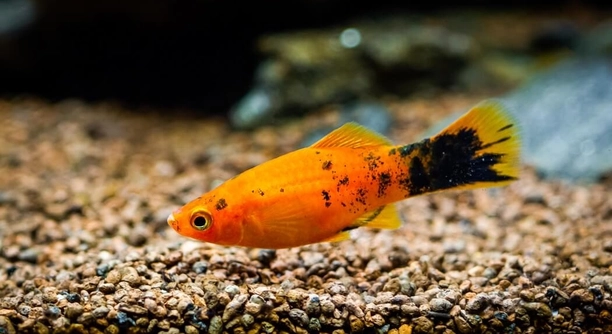
Platies are popular freshwater fish known for their vibrant colors and easy care. Many fishkeepers enjoy keeping them in home aquariums. Understanding the right water conditions is essential to keep platies healthy and thriving in any tank.
Platies thrive best in water with a temperature range of 70 to 82°F, a pH level between 6.8 and 8.0, and moderate hardness. Maintaining clean, well-filtered water with regular changes supports their health and growth.
Knowing these key water conditions will help you create the ideal environment for your platies. This article outlines the seven main factors that influence their well-being and longevity.
Temperature Range for Platies
Platies do well in water temperatures between 70 and 82°F (21 to 28°C). This range allows their metabolism and immune systems to function properly. Temperatures outside this range can cause stress or illness. Sudden changes in temperature should be avoided, as platies are sensitive to fluctuations. Using an aquarium heater and a reliable thermometer helps keep the water stable. Proper temperature control also supports their breeding behavior. In colder water, platies may become sluggish, and in warmer water, their lifespan may shorten. Consistency is key to maintaining a healthy environment. When setting up a new tank, it is important to let the water reach the ideal temperature before adding platies. Regular monitoring prevents unexpected shifts that could harm them. For tanks without heaters, room temperature must be steady enough to remain within the recommended range.
Maintaining the correct temperature supports platies’ health, growth, and activity. It reduces stress and encourages natural behavior.
Keeping temperature steady requires simple tools but offers great benefits for your platies’ well-being.
pH and Water Hardness
Platies thrive in slightly alkaline water, with a pH between 6.8 and 8.0. Maintaining this pH helps regulate their bodily functions and reduces stress. Water hardness also matters; platies prefer moderate hardness, between 10 and 28 dGH. Hardness affects how minerals are absorbed and influences fish health. Testing water regularly is necessary to keep both pH and hardness stable. Adjusting pH is possible using commercial products or natural materials like driftwood, but changes should be gradual. Sudden pH shifts can cause shock. Knowing the source water’s characteristics helps in planning adjustments. Using filtered or conditioned water removes harmful substances that can alter pH and hardness. A balanced pH and hardness level supports immune response and breeding success in platies. Proper water chemistry is a key factor in preventing diseases and maintaining vibrant coloration.
Checking pH and hardness regularly ensures your platies remain comfortable and healthy in their environment.
Filtration and Water Cleanliness
Good filtration keeps the water clear and free from harmful toxins. A reliable filter removes waste and prevents ammonia buildup, which can be dangerous for platies.
Filters help maintain a stable environment by circulating water and promoting beneficial bacteria growth. These bacteria break down harmful substances like ammonia and nitrites, turning them into less toxic nitrates. Regular filter maintenance is important to prevent clogging and ensure efficiency. Using a sponge filter or hang-on-back filter works well for platies. Besides filtration, frequent water changes—about 25% weekly—are needed to keep water quality high. Dirty water stresses fish and can lead to disease, so clean water is essential for their health.
Choosing the right filter and keeping up with maintenance creates a safe habitat. This supports your platies’ growth and overall well-being in the aquarium.
Aquarium Size and Stocking Levels
Platies require enough space to swim freely. A minimum tank size of 10 gallons is recommended for a small group. Overcrowding can lead to poor water quality and stress.
Proper stocking levels ensure platies have room to move and reduce competition for food and oxygen. Keeping about two gallons of water per fish is a good rule of thumb. Overcrowding increases waste, which strains filtration and water conditions. A spacious tank also allows for plants and decorations, providing hiding spots that reduce stress. Avoid mixing platies with aggressive or much larger fish that might harm them. Maintaining a balanced community tank promotes peaceful interactions and healthier fish. Proper space and stocking help platies display natural behavior and vibrant colors.
Space and balanced stocking improve platies’ quality of life and aquarium success.
Lighting Conditions
Platies do well under moderate lighting. Too much light can stress them and encourage algae growth. Too little light can affect their activity and color.
A balanced light cycle of 8 to 12 hours daily mimics natural conditions. Using a timer helps maintain consistency, which benefits their health and behavior.
Diet and Nutrition
A varied diet supports platies’ health and vibrant colors. They are omnivores and eat flakes, pellets, vegetables, and occasional protein sources like brine shrimp. Feeding small amounts two to three times daily prevents overfeeding and water pollution. Including plant matter, such as blanched spinach or peas, supports digestion and mimics their natural diet. Good nutrition strengthens their immune system and encourages breeding. Avoid feeding only one type of food to prevent deficiencies. Healthy eating habits contribute to longer lifespans and active behavior in platies.
Water Changes
Regular water changes keep toxins low. Changing 20–30% of the water weekly is ideal for platies.
How often should I test the water for my platies?
Testing your aquarium water once a week is ideal to keep track of pH, ammonia, nitrites, and nitrates. Frequent testing helps catch any problems early, ensuring the water remains safe. Using simple test kits makes this process easy and quick. Consistent monitoring prevents sudden changes that can stress or harm your platies.
Can platies live in the same tank with other fish?
Yes, platies are peaceful fish and generally get along well with other community fish. Good tankmates include tetras, guppies, and mollies. Avoid aggressive or much larger fish, which might bully or injure platies. Always consider the size, temperament, and water needs of other fish before adding them.
What is the best diet for platies?
Platies thrive on a varied diet that includes high-quality flakes or pellets, fresh vegetables, and occasional live or frozen protein like brine shrimp or bloodworms. This variety keeps them healthy and their colors bright. Avoid overfeeding; feed small amounts two or three times daily.
How do I prevent common diseases in platies?
Maintaining good water quality through regular changes and proper filtration is key to preventing disease. Avoid overcrowding, feed a balanced diet, and quarantine new fish before introducing them. Watch for symptoms like clamped fins, spots, or unusual behavior and act quickly if illness appears.
Is it necessary to use a heater for platies?
Platies do best with water temperatures between 70 and 82°F. In rooms where temperature is stable and within this range, a heater may not be necessary. However, in cooler climates or during winter, a heater helps maintain consistent warmth, reducing stress and health problems.
How much space does each platy need?
A good rule of thumb is about two gallons of water per platy. This space ensures they have room to swim and reduces waste buildup. Overcrowding can lead to poor water quality and stress, increasing the risk of illness and aggression.
Can platies breed in a community tank?
Platies are livebearers and can breed easily if conditions are right. They do not need a separate breeding tank, but in a community tank, fry may be eaten by other fish. Providing plenty of plants or hiding spots improves fry survival.
How important is lighting for platies?
Moderate lighting helps platies stay active and maintain their coloration. Too much light can cause stress and algae growth, while too little can dull their colors. A consistent light cycle of 8 to 12 hours daily, controlled by a timer, works best.
What should I do if my platies appear stressed?
Check water parameters first, including temperature, pH, and ammonia levels. Make sure the tank is not overcrowded and that the filter is functioning well. Reduce sudden changes in lighting or noise around the tank. Stress can weaken their immune system, so improving conditions quickly is important.
Are there specific plants recommended for a platy tank?
Hardy plants like java fern, anubias, and hornwort are excellent for platy tanks. They provide hiding spots, help absorb excess nutrients, and improve water quality. Live plants also mimic natural habitats, making platies feel more comfortable and secure.
How do I maintain the tank to keep water conditions ideal?
Regular water changes, proper filtration, and weekly testing keep water conditions stable. Clean the filter monthly but avoid washing it with tap water to preserve beneficial bacteria. Remove uneaten food and debris promptly to prevent toxin buildup.
What is the impact of water hardness on platies?
Platies prefer moderately hard water, which provides essential minerals for healthy bodily functions. Water hardness between 10 and 28 dGH supports proper growth and immune function. Soft water can make them more susceptible to stress and disease.
Can platies tolerate fluctuations in pH?
Sudden changes in pH can stress platies and cause health issues. They do best in water with a stable pH between 6.8 and 8.0. Gradual adjustments, if needed, prevent shock. Regular testing helps maintain steady pH levels.
How do I introduce new platies to an existing tank?
Quarantine new fish for at least two weeks to monitor for disease. Acclimate them slowly by floating the bag in the tank and gradually mixing tank water into the bag over 30 to 60 minutes. This reduces shock from changes in water parameters.
What signs show that water conditions are poor?
Cloudy water, algae overgrowth, fish gasping at the surface, or lethargic behavior indicate poor water quality. High ammonia or nitrite levels, detected through testing, also signal trouble. Prompt water changes and filter checks are necessary to correct issues.
Platies are a popular choice for many aquarists due to their hardiness and bright colors. Ensuring they live in the right water conditions is essential to their health and happiness. Proper temperature, pH, hardness, and clean water all contribute to a stable environment. When these factors are carefully maintained, platies can live longer, remain active, and display their best colors. It is important to monitor water regularly and make gradual adjustments to keep conditions stable. Taking these steps helps prevent stress and disease, which are common problems when water conditions are poor.
Filtration and aquarium size also play important roles in the well-being of platies. A good filter keeps the water free from harmful toxins and supports beneficial bacteria growth. These bacteria break down waste products and help maintain a healthy ecosystem in the tank. Choosing the right size tank and avoiding overcrowding provide platies with enough space to swim and reduce competition. This lowers stress levels and improves their overall quality of life. Adding plants and decorations not only creates hiding spots but also improves water quality by absorbing some toxins.
Diet and regular maintenance are equally important. Feeding a varied diet ensures platies get all necessary nutrients for growth and vibrant colors. Overfeeding should be avoided to prevent water pollution. Weekly water changes help remove excess waste and keep the tank clean. Maintaining proper lighting cycles supports natural behaviors and enhances coloration. Together, these factors create an environment where platies can thrive. By paying attention to these simple but crucial details, anyone can enjoy a healthy and lively community of platies in their aquarium.

Hello,
If you enjoy the content that we create, please consider saying a "Thank You!" by leaving a tip.
Every little bit helps us continue crafting quality advice that supports the health, happiness, and well-being of pets around the world, for pets of all shapes, sizes, and species.
We really appreciate the kindness and support that you show us!