
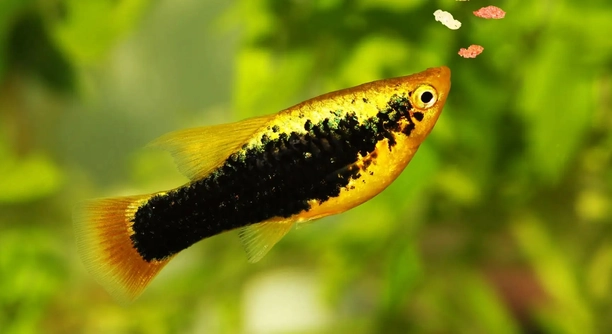
Do you have platies in your aquarium and want to make sure their environment is just right? These small, colorful fish are popular among hobbyists for their easy care and peaceful nature. Providing the proper setup helps keep them healthy and happy.
Platies do not strictly need a bubbler, as they can breathe oxygen from the water surface. However, adding a bubbler improves water circulation and oxygen levels, especially in tanks with limited surface agitation or higher fish density.
Understanding when a bubbler benefits your platies can improve their overall well-being. The following information explains how and when to use a bubbler effectively for these fish.
Why Platies Can Breathe Without a Bubbler
Platies are surface breathers, meaning they take in oxygen directly from the water surface. Their natural habitats often have slow-moving waters, so they have adapted well to environments with low oxygen levels. In a typical aquarium with good surface agitation from filters or air movement, platies get enough oxygen to thrive. A bubbler is not a necessity for their survival but can help maintain water quality and oxygen levels in crowded or poorly ventilated tanks. In most home setups, regular water changes and proper filtration keep conditions stable for platies without extra equipment. It is also important to avoid overstocking, which can reduce oxygen availability, causing stress or health issues in your fish.
Providing a bubbler can add oxygen and circulation, but platies do well even without one if basic tank conditions are met. Knowing this helps avoid unnecessary equipment purchases.
Placing a bubbler creates gentle water movement that increases oxygen exchange. This can be beneficial in warmer tanks or during heavy stocking. It also prevents stagnant areas where waste might build up. However, bubblers should not create strong currents, as platies prefer calm waters. Balance is key to keeping your fish comfortable while improving water quality.
When a Bubbler Is Most Useful
A bubbler is especially helpful in tanks with limited surface agitation, such as those without filters or with slow filters that do not move much water. In these cases, oxygen levels can drop, making it harder for platies to breathe. Using a bubbler helps by continuously circulating air bubbles, which increase the amount of oxygen dissolved in the water. This creates a healthier environment for the fish and helps prevent issues caused by low oxygen.
Adding a bubbler can also support tanks with high temperatures, as warm water holds less oxygen. In summer or heated aquariums, bubblers maintain better oxygen levels, supporting fish health.
In situations where your aquarium is crowded or you keep multiple species that require higher oxygen levels, a bubbler becomes a practical addition. It ensures enough oxygen reaches all areas, reducing stress and improving fish activity. Regular maintenance, including water changes and cleaning, remains crucial regardless of using a bubbler, as it cannot replace these basic care tasks. Choosing the right size bubbler and placing it carefully helps provide adequate oxygen without disturbing the fish’s natural behavior.
Choosing the Right Bubbler for Your Platies
Not all bubblers are created equal. Choosing one that produces gentle bubbles is important to avoid stressing platies. Too strong a current can make swimming difficult for these small fish. Look for bubblers with adjustable air flow to control bubble size and intensity. Silicone tubing is preferred for durability and flexibility.
A good bubbler should also be quiet, so it does not disturb the tank’s environment. Small air stones work well by spreading bubbles evenly, creating subtle water movement. Avoid large or overly powerful air pumps that produce harsh currents. The bubbler should complement your filter system rather than replace it.
Proper placement is crucial. Position the bubbler near the tank’s surface to maximize oxygen exchange. Placing it away from hiding spots helps prevent fish from avoiding important areas. Regular cleaning of the air stone prevents clogging and maintains steady airflow, keeping your platies comfortable and the water healthy.
Signs Your Platies May Benefit from a Bubbler
If you notice your platies frequently gulping air at the surface or staying near the top of the tank, low oxygen levels could be an issue. Lethargy or unusual behavior might also indicate stress caused by poor water quality. These signs suggest adding a bubbler could improve conditions.
In addition to behavior changes, cloudy water or excessive algae growth may reflect insufficient oxygen circulation. Tanks without surface agitation or with heavy stocking often experience these problems. Bubblers increase oxygen and improve water movement, helping reduce waste buildup and algae growth.
Using a bubbler alongside regular maintenance provides a better environment for your platies. It helps prevent oxygen-related stress and promotes healthier, more active fish. Monitoring your fish’s behavior regularly ensures you can respond to changes in their needs promptly.
Maintaining Your Bubbler for Best Performance
Regular cleaning keeps your bubbler working well. Air stones can clog with debris, reducing airflow. Soaking them in vinegar helps clear buildup and extends their life. Checking tubing connections prevents air leaks and ensures steady bubble flow.
Replacing worn parts when needed maintains efficiency. Proper maintenance avoids unnecessary stress on your platies by keeping oxygen levels stable.
Alternatives to Bubblers for Oxygenation
Filters with good surface agitation can increase oxygen without a bubbler. Powerheads or sponge filters also improve water movement, supporting gas exchange. Plants help by producing oxygen during daylight but are not enough alone in crowded tanks.
How Temperature Affects Oxygen Needs
Warmer water holds less oxygen, increasing the need for circulation. In summer or heated tanks, oxygen levels drop faster. Using a bubbler or enhancing surface movement helps keep oxygen sufficient for platies.
Avoid Overuse of Bubblers
Too much water movement can stress platies. Gentle bubbling is better than strong currents. Balance is key to creating a calm, healthy environment.
FAQ
Do platies absolutely need a bubbler to survive?
Platies do not absolutely need a bubbler to survive. They can breathe oxygen directly from the water surface, which is usually enough in well-maintained tanks. A bubbler can improve oxygen levels but is not essential if the tank has proper filtration and surface movement.
Can a bubbler replace a filter in a platy tank?
No, a bubbler cannot replace a filter. Filters remove waste and toxins, maintaining water quality. A bubbler only helps increase oxygen and circulation. Both are important for a healthy aquarium environment.
Will a bubbler stress my platies?
A bubbler can stress platies if it creates strong currents. These fish prefer calm waters. Choosing a bubbler with gentle airflow and adjusting its position helps prevent stress.
How do I know if my tank needs a bubbler?
Signs your tank needs a bubbler include fish gasping at the surface, lethargy, or cloudy water. Tanks with poor surface agitation or heavy stocking often benefit from added oxygen circulation.
Can plants replace a bubbler in my platy tank?
Plants produce oxygen during the day but usually cannot meet the oxygen needs in crowded or warm tanks alone. A bubbler or good water movement is often needed alongside plants.
Is it safe to leave a bubbler running 24/7?
Yes, it is safe to leave a bubbler running all the time. Continuous oxygenation helps maintain stable conditions, especially in warmer or heavily stocked tanks.
What type of air stone is best for platies?
Fine-pored air stones create small, gentle bubbles ideal for platies. They provide good oxygen exchange without causing strong currents that might stress the fish.
Where should I place the bubbler in the tank?
Place the bubbler near the water surface to maximize oxygen exchange. Avoid placing it near hiding spots so fish can swim freely without disturbance.
How often should I clean the bubbler?
Clean the bubbler and air stone every few weeks to prevent clogging. Soaking in vinegar removes mineral buildup and keeps airflow steady.
Can a bubbler help with temperature regulation?
A bubbler does not cool the water but improves oxygen levels that drop as temperature rises. It supports fish health during warmer periods but is not a substitute for a heater or chiller.
Will adding a bubbler reduce algae growth?
Improved water circulation from a bubbler can reduce stagnant areas where algae thrive. While it does not eliminate algae, better oxygen and movement help control excess growth.
Are bubblers noisy?
Quality bubblers are usually quiet. Proper placement and using soft tubing help reduce noise. Loud or vibrating bubblers may indicate equipment problems or poor installation.
Can bubblers cause evaporation issues?
Bubblers increase surface agitation, which may speed up evaporation slightly. Regularly topping off water keeps levels stable and prevents stress on fish.
What if my platies avoid the bubbler area?
If platies avoid the bubbler, it may be producing too strong a current. Adjust the air flow or move the bubbler to a less active area. Gentle bubbling is better accepted.
Is a bubbler necessary in a heavily stocked tank?
In heavily stocked tanks, oxygen demand is higher. A bubbler helps maintain sufficient oxygen and circulation, reducing stress and health problems caused by low oxygen.
Can bubblers improve filter performance?
Bubblers increase water movement and can support filters by preventing dead spots. However, they do not replace filter functions like biological or mechanical filtration.
What is the difference between a bubbler and a powerhead?
A bubbler introduces air bubbles to oxygenate water, while a powerhead moves water to create flow and surface agitation. Both improve oxygen levels but function differently. Powerheads may create stronger currents, so consider platies’ preference for calm water.
Should I use a bubbler during water changes?
Using a bubbler during water changes helps maintain oxygen levels, especially if the tank is heavily stocked or water movement is low. It supports fish while their environment adjusts.
Can bubblers cause pH changes?
Bubblers do not directly change pH but increase gas exchange, which can stabilize pH by releasing excess carbon dioxide. This effect is usually small but beneficial.
How do I adjust the airflow on my bubbler?
Most bubblers have an air valve or adjustable pump settings. Start with low airflow and increase slowly while observing your fish’s reaction. Aim for gentle bubbling without strong currents.
These answers address common concerns about bubblers and platies, helping create a comfortable and healthy tank environment. Proper use and maintenance of a bubbler can enhance oxygen levels without causing stress.
Platies are hardy fish that do not require a bubbler to survive in most aquarium setups. They can breathe oxygen directly from the water surface, which usually provides enough air if the tank has proper filtration and some surface movement. However, a bubbler can add benefits by increasing oxygen levels and improving water circulation, especially in tanks that are crowded, warm, or have limited water flow. Knowing when to use a bubbler helps maintain a healthier environment and reduces stress on your fish.
Choosing the right bubbler and using it correctly is important to avoid stressing your platies. These fish prefer calm waters, so a bubbler that creates gentle bubbles without strong currents is ideal. Positioning the bubbler near the water surface maximizes oxygen exchange, while avoiding areas where the fish like to rest or hide. Regular cleaning and maintenance of the bubbler and air stone keep the equipment working well and prevent clogs that reduce airflow. This simple care ensures the bubbler continues to support your tank’s oxygen levels effectively.
In many cases, bubblers are not necessary if the tank has a good filter that keeps the water moving and clean. Plants also help oxygenate water during the day, but they are not enough on their own in tanks with many fish or higher temperatures. If you notice signs of low oxygen, such as fish gasping at the surface or sluggish behavior, adding a bubbler can improve conditions quickly. Overall, bubblers are a useful tool but should be seen as a supplement rather than a replacement for proper filtration, tank maintenance, and appropriate stocking levels. Providing the right balance will help your platies thrive in a comfortable and healthy aquarium.

Hello,
If you enjoy the content that we create, please consider saying a "Thank You!" by leaving a tip.
Every little bit helps us continue crafting quality advice that supports the health, happiness, and well-being of pets around the world, for pets of all shapes, sizes, and species.
We really appreciate the kindness and support that you show us!