
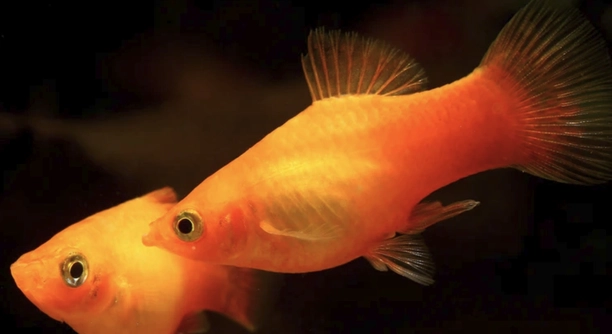
Platies are popular freshwater fish known for their bright colors and easy care. Many aquarium owners enjoy keeping them as pets. Understanding how platies handle changes in their environment is important for their well-being.
Platies can survive a power outage for a limited time if the water temperature remains stable and oxygen levels do not drop significantly. Prolonged outages without aeration or temperature control may cause stress or health issues for the fish.
Knowing how platies respond to these conditions helps ensure their safety during unexpected power interruptions. The following information explains the key factors affecting their survival and care.
How Power Outages Affect Platies
Power outages stop the aquarium’s filtration and aeration systems. Without filters, waste can quickly build up, reducing water quality. Lack of aeration lowers oxygen levels, which platies need to breathe. Temperature control also stops, so water can become too cold or warm. Sudden temperature changes stress platies and may weaken their immune system. During short outages, platies may tolerate these changes if the room temperature stays steady. However, if power is out for several hours or more, the risks increase. Monitoring the tank and taking steps to maintain oxygen and temperature can improve their chances of survival during outages.
Water quality and oxygen are the two most critical factors for platies during power failures.
Keeping your aquarium stable when power goes out requires quick action. Manually stirring the water helps add oxygen. Covering the tank can slow temperature changes. If the outage lasts longer, transferring platies to a temporary aerated container might be necessary. Avoid feeding fish during this time since waste can accumulate fast without filtration. Preparing a backup plan, like a battery-powered air pump, can protect platies and reduce stress during outages.
Preventing Problems During Power Outages
Having tools ready helps platies stay safe in power outages. Battery-operated air pumps or portable filters can provide necessary oxygen and filtration until power returns. Using insulated covers or placing the tank away from drafts helps keep water temperature steady. Preparing emergency supplies and knowing how long your tank can safely go without power are important steps.
A power outage can be manageable if you prepare in advance. Regular tank maintenance before outages reduces waste buildup. Testing water parameters after power returns ensures the environment is safe. In cases where power is unavailable for extended periods, relocating fish to a stable environment can be the best option. Proper preparation protects platies from stress and potential health issues related to power loss.
Signs of Stress in Platies During a Power Outage
Platies show signs of stress when oxygen is low or water quality worsens. They may gasp at the surface, become lethargic, or hide more than usual. Changes in color or loss of appetite are also common stress indicators.
Stress weakens platies’ immune systems, making them vulnerable to illness. During a power outage, watch for unusual swimming patterns, such as erratic movements or staying near the surface. These behaviors often mean oxygen is low. If waste builds up, platies may develop cloudy eyes or fin damage. Early detection of stress allows prompt action to reduce harm.
If stress signs appear, increasing aeration manually by stirring water or using a battery-powered air pump can help. Avoid feeding platies until water conditions improve. Maintaining a stable environment during outages reduces long-term health risks and supports quicker recovery once power returns.
Long-Term Care After a Power Outage
After power returns, water quality often deteriorates quickly. Testing ammonia, nitrite, and nitrate levels is necessary to ensure safety. Partial water changes help restore balance.
It is important to resume filtration and aeration immediately. Clean filters if they clogged during the outage but avoid replacing all filter media at once to preserve beneficial bacteria. Observe platies for any lingering stress signs or illness.
Keeping the tank clean and stable helps platies recover. Maintaining regular water changes and monitoring parameters reduces the chance of delayed health problems caused by the outage. Providing a calm environment with proper nutrition supports healing and prevents further complications.
Emergency Supplies for Power Outages
Having emergency supplies ready can make a big difference during outages. Items like battery-powered air pumps, extra water, and insulated covers help maintain the tank environment. Keeping these supplies accessible ensures quick action when needed.
A simple manual aeration method is to stir the water gently to increase oxygen levels. Covering the tank with a blanket can help keep the temperature stable. Preparing in advance reduces stress on platies and gives peace of mind.
Choosing Backup Equipment
Battery-powered air pumps and portable filters are reliable options during power outages. They provide essential aeration and filtration until electricity returns. These devices vary in size and battery life, so selecting one that fits your tank’s needs is important.
Alternative Aeration Methods
Manual stirring or adding aquatic plants can improve oxygen levels temporarily. Plants produce oxygen during daylight and help maintain water quality. These options are useful when power is unavailable but should not replace proper aeration systems.
Monitoring During Outages
Regular checks on fish behavior and water conditions help catch problems early. Keeping a close eye ensures platies remain as comfortable as possible until power returns.
FAQ
Can platies survive more than one day without power?
Platies can usually survive a short power outage lasting up to 24 hours if the water temperature stays stable and oxygen levels do not drop too low. However, longer outages increase the risk of oxygen depletion, waste buildup, and temperature fluctuations, which can cause stress and health problems. It’s important to provide manual aeration or use battery-powered equipment if the outage lasts beyond a day.
What should I do if the power outage lasts several days?
If a power outage extends beyond a day, transferring platies to a temporary container with aeration is recommended. Use a clean tank or bucket filled with water from their original tank to avoid shock. Battery-operated air pumps or manual aeration by stirring water regularly can help maintain oxygen levels. Avoid feeding the fish during this time to reduce waste buildup.
Is it safe to feed platies during a power outage?
Feeding platies during a power outage is generally not advised. Without filtration, uneaten food and fish waste can quickly pollute the water, reducing oxygen and harming the fish. It is better to wait until filtration and water quality stabilize after power is restored before resuming feeding.
How can I maintain water temperature during an outage?
Keeping the tank’s water temperature stable is crucial. Avoid placing the tank near windows or drafts. Cover the tank with a blanket or insulated material to help retain heat. For warmer climates, move the tank to a cooler area of the house to prevent overheating. Sudden temperature changes can stress platies and should be minimized.
Can aquatic plants help during a power outage?
Aquatic plants can provide some oxygen during daylight through photosynthesis, which can help improve water quality temporarily. However, plants alone are not sufficient to maintain adequate oxygen levels, especially at night when they consume oxygen. Plants can support but should not replace aeration systems.
How soon after power is restored should I test the water?
Testing water parameters such as ammonia, nitrite, nitrate, and pH should be done as soon as possible after power returns. These levels can rise quickly during outages due to stopped filtration and waste accumulation. Partial water changes may be necessary to reduce toxins and restore a safe environment.
What signs of illness should I watch for after an outage?
Watch for symptoms like clamped fins, faded color, lethargy, labored breathing, or unusual swimming. These can indicate stress or illness caused by poor water conditions. If signs persist, consider consulting a veterinarian or fish specialist to prevent serious health problems.
Are there ways to prepare my aquarium to better handle outages?
Regular tank maintenance and water changes reduce waste buildup, making outages less harmful. Having backup equipment like battery-operated air pumps and portable filters ready helps maintain oxygen and filtration. Keeping emergency supplies accessible and knowing basic manual aeration techniques also prepares you for unexpected power loss.
Is it necessary to replace filter media after an outage?
It is best not to replace all filter media immediately after a power outage, as beneficial bacteria colonies reside there. Instead, clean the filter gently to remove debris without disturbing bacteria. Gradual replacement over time prevents disrupting the tank’s biological balance.
Can platies recover fully after a stressful outage?
With proper care, platies can recover fully from stress caused by power outages. Prompt water quality testing, partial water changes, and stable conditions support their healing. Avoiding sudden changes and providing good nutrition after the event also helps restore their health and energy.
Power outages can be challenging for anyone who keeps aquarium fish like platies. These small fish depend on stable water conditions, including proper oxygen levels, temperature, and clean water. When the power goes out, filtration and aeration systems stop working, which can quickly affect the tank’s environment. It is important to understand how platies respond to these changes and what steps can be taken to keep them safe during and after an outage. Being prepared helps reduce stress on the fish and supports their overall health.
During short outages, platies often tolerate the changes if the room temperature remains steady and oxygen is not depleted. However, longer outages require action to maintain water quality and oxygen levels. Simple steps like gently stirring the water, covering the tank to reduce temperature swings, and using battery-powered air pumps can make a big difference. Avoid feeding the fish during power loss to prevent waste buildup. Regularly checking on the fish and watching for signs of stress can help catch problems early. Once power returns, testing water parameters and performing partial water changes are necessary to restore a safe environment.
Planning ahead is the best way to protect platies from the effects of power outages. Having emergency supplies and backup equipment ready ensures a quick response when the power fails. Keeping up with tank maintenance before outages reduces harmful waste buildup. Understanding the needs of platies during these times helps prevent health issues and keeps them thriving. Taking these precautions makes caring for platies during power interruptions easier and more effective.

Hello,
If you enjoy the content that we create, please consider saying a "Thank You!" by leaving a tip.
Every little bit helps us continue crafting quality advice that supports the health, happiness, and well-being of pets around the world, for pets of all shapes, sizes, and species.
We really appreciate the kindness and support that you show us!