
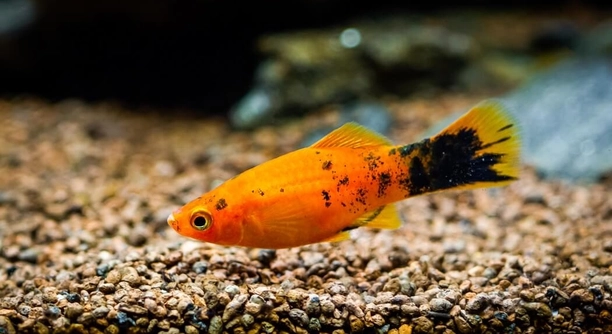
Choosing the right substrate for platies is an important step in creating a healthy aquarium environment. Many fish owners want to know which material best supports the well-being of these popular freshwater fish. The substrate affects water quality, plant growth, and fish behavior.
The best substrate for platies is a fine, inert gravel or sand that does not alter water chemistry. These substrates provide a stable environment, promote beneficial bacteria growth, and support live plants, all of which contribute to the health and comfort of platies in a tank.
Understanding the benefits of different substrates can improve your aquarium setup and help maintain vibrant, thriving platies for years to come.
Types of Substrate Suitable for Platies
Choosing the right substrate involves understanding the common options available. Gravel is a popular choice because it is easy to clean and provides good support for plants. Fine gravel allows beneficial bacteria to grow, which helps maintain water quality. Sand is another option that mimics natural riverbeds. It is softer for fish that like to dig and sift through the substrate. However, sand can compact easily, which might reduce oxygen flow to bacteria. Some aquarists use soil-based substrates designed for planted tanks. These provide nutrients for plants but may require more maintenance to prevent cloudiness. When selecting substrate, it’s important to consider the tank’s size and whether live plants are present. Avoid sharp or rough materials that could harm platies’ delicate fins. A balanced substrate helps create a stable and healthy environment where platies can thrive.
A well-chosen substrate not only supports plant life but also encourages natural behaviors in platies, such as foraging and exploring.
Understanding the advantages and limitations of each substrate type will guide you to make the best decision for your aquarium setup. Gravel tends to be more versatile and easier for beginners to maintain. Sand suits those aiming for a natural riverbed look but needs careful cleaning to avoid compaction issues. Soil-based substrates offer nutrient benefits for live plants but require more attention. Whichever you choose, ensuring the substrate does not affect water parameters like pH or hardness is crucial. Regular cleaning without disturbing the substrate too much helps keep bacteria colonies healthy. Also, consider how the substrate interacts with decorations and plants in your tank. When properly selected and cared for, the substrate will contribute to a balanced ecosystem, supporting your platies’ health and vitality.
Maintaining Substrate Health
Regular cleaning of the substrate prevents waste buildup and preserves water quality. Removing debris helps avoid harmful ammonia spikes.
Cleaning techniques vary by substrate type. Gravel can be vacuumed easily without disturbing beneficial bacteria too much. Sand requires gentle stirring to avoid compaction but still needs removal of trapped waste. Soil-based substrates should be cleaned carefully to avoid disturbing nutrients. Using a siphon during water changes can maintain cleanliness efficiently. Avoid over-cleaning, as beneficial bacteria live in the substrate and help process fish waste. Keeping the substrate healthy contributes to the overall stability of the aquarium environment and the well-being of your platies.
Benefits of Live Plants in Platies’ Tanks
Live plants improve water quality by absorbing nitrates and producing oxygen. They also offer hiding spots and reduce stress for platies.
Adding live plants creates a natural habitat that supports fish health. Plants like Java fern and Anubias grow well in gravel or sand substrates. Their roots stabilize the substrate and prevent erosion. Plants also attract beneficial microorganisms that contribute to a balanced ecosystem. When combined with the right substrate, live plants enhance both the visual appeal and biological function of the tank. Regular trimming and maintenance keep plants healthy and prevent overcrowding, which can affect water flow and oxygen levels.
Using live plants with suitable substrate promotes a stable environment where platies feel secure. This combination supports natural behavior, reduces aggression, and helps maintain cleaner water, benefiting the entire aquarium community.
Avoiding Common Substrate Mistakes
Using the wrong substrate can cause water quality issues or harm your platies. Avoid substrates that change water chemistry unexpectedly.
Substrates with sharp edges may injure fish, while those that alter pH or hardness can stress platies. Gravel too large or too small can make cleaning difficult or trap debris. Overloading the tank with substrate can reduce swimming space and increase waste accumulation. It is important to rinse substrate thoroughly before adding it to the tank to remove dust and debris. Choosing neutral, inert substrates helps maintain consistent water parameters. Monitoring water quality regularly helps catch potential problems early, keeping platies healthy.
Proper substrate selection and care prevent unnecessary stress and health risks. Paying attention to substrate characteristics makes maintenance easier and supports a thriving aquatic environment.
Choosing Substrate Based on Tank Size
Small tanks benefit from fine gravel or sand because they are easier to clean and maintain. Larger tanks can support a variety of substrates depending on plants and fish needs.
Heavier substrates work well in bigger tanks with lots of plants, while lighter options suit minimalist setups. Consider how much space the substrate will take up relative to the tank volume to avoid overcrowding.
Impact of Substrate on Water Parameters
Substrate type influences pH, hardness, and overall water stability. Inert substrates maintain stable parameters, while soil-based or mineral-rich substrates may alter them over time.
Choosing a substrate that fits your water conditions reduces stress on platies and prevents sudden changes. Test water regularly to ensure parameters stay within a safe range.
Substrate Depth Recommendations
A substrate depth of 1 to 2 inches is generally sufficient for platies. This allows plants to root and bacteria to colonize without causing compaction issues.
Deeper substrate layers may lead to poor oxygen flow, so avoid excessive depth to maintain a healthy tank environment.
FAQ
What is the best substrate for baby platies?
For baby platies, a fine sand substrate or very small-grain gravel works best. These substrates are gentle on their delicate fins and bodies. Fine sand allows young fish to explore without risk of injury. Additionally, smaller particles reduce the chance of trapped debris, keeping water cleaner and safer for babies.
Can I mix different substrates in a platies tank?
Mixing substrates is possible but should be done carefully. Combining sand and gravel can create a more natural look and support varied plant roots. However, differing particle sizes might cause sand to settle under gravel, creating uneven layers. It’s important to monitor water flow and clean the substrate regularly to avoid debris buildup in mixed layers.
How often should I clean the substrate?
Cleaning frequency depends on tank size, fish population, and substrate type. Generally, cleaning the substrate every one to two weeks during water changes is recommended. Use a gravel vacuum for gravel substrates and gentle stirring for sand to avoid compaction. Over-cleaning can disturb beneficial bacteria, so balance is key.
Will substrate affect water pH in my tank?
Certain substrates can change water pH and hardness. Inert substrates like quartz or silica gravel have minimal impact on water chemistry. On the other hand, substrates with calcium carbonate, such as coral sand or crushed shells, can raise pH and hardness. Choosing a neutral substrate helps maintain stable conditions suitable for platies.
Are there substrates that help control algae growth?
Substrates themselves don’t directly control algae, but healthy plants rooted in nutrient-rich substrates can outcompete algae for nutrients. Also, substrates that allow good water circulation prevent dead zones where algae thrive. Maintaining proper tank lighting and water quality are more effective algae controls than substrate choice alone.
Can substrate affect fish behavior?
Yes, substrate influences how platies behave. A soft, natural substrate encourages foraging and exploration. Rough or sharp substrates may stress fish, causing them to avoid the bottom. Providing a substrate that mimics their natural environment helps platies feel secure and reduces aggressive or hiding behavior.
Is it necessary to use substrate in a platies tank?
While substrate is not strictly required, it offers many benefits like supporting plant growth, providing habitat for beneficial bacteria, and improving tank aesthetics. Bare-bottom tanks are easier to clean but lack these advantages. Most aquarists prefer substrate to create a more stable and natural environment.
What are common mistakes when choosing substrate for platies?
Common errors include choosing substrates that alter water chemistry, are too coarse or sharp, or are difficult to clean. Another mistake is using too deep a layer, which can cause anaerobic conditions. Rinsing new substrate thoroughly before use and considering tank inhabitants’ needs prevent these issues.
Can I change substrate after the tank is established?
Changing substrate in an established tank is possible but requires care. It can disturb beneficial bacteria and stress fish. To minimize impact, transfer some existing substrate to the new one to preserve bacteria colonies. Perform partial water changes and monitor water quality closely after the switch.
How does substrate interact with live plants in a platies tank?
Substrate supports plant roots and provides nutrients if it’s nutrient-rich. Gravel or sand offers anchoring points, while soil-based substrates release nutrients slowly. Healthy plants help filter the water and offer shelter for platies. Choosing the right substrate ensures plants thrive and the aquarium stays balanced.
Is gravel or sand better for a planted platies aquarium?
Both can work, but gravel is generally preferred for planted tanks because it allows better water flow and prevents compaction. Sand looks natural but can compact, limiting oxygen to roots. Using a mix of gravel with a thin sand layer is an option, providing benefits of both substrates while supporting plant health.
How deep should substrate be in a planted tank with platies?
A depth of 2 to 3 inches is ideal for planted tanks. This depth supports root growth and provides space for beneficial bacteria. Less depth may limit plant development, while too much can cause poor oxygen circulation. Proper depth helps maintain healthy plants and a stable environment for platies.
Does substrate type affect water clarity?
Yes, certain substrates can cloud the water, especially fine sand or soil-based types if not rinsed properly. Gravel tends to be less dusty and clearer. New substrates should always be rinsed thoroughly before adding to the tank to reduce cloudiness and maintain clear water.
Can substrate help with biological filtration?
Substrate provides surface area for beneficial bacteria to colonize, which is vital for biological filtration. A clean, well-maintained substrate supports these bacteria, helping convert harmful ammonia and nitrites into less toxic nitrates. This natural filtration improves water quality and fish health.
How do I prevent substrate from trapping too much waste?
Regular vacuuming during water changes prevents waste buildup. Avoid overfeeding fish, as leftover food increases waste. Using plants that absorb nutrients reduces organic matter in the substrate. Keeping a good filtration system running also helps manage waste, preventing harmful buildup in the substrate.
Choosing the right substrate for platies is a key part of creating a healthy and balanced aquarium. The substrate supports plant growth, provides a home for beneficial bacteria, and affects water quality. Fine gravel or sand are generally the best options because they are gentle on platies and easy to maintain. Both types offer advantages depending on whether the tank has live plants or not. The substrate also influences how comfortable and secure platies feel in their environment. When selecting substrate, it is important to consider its impact on water chemistry, how easy it is to clean, and how it fits with the overall design of the tank. Making an informed choice helps ensure platies can thrive and display natural behaviors.
Maintaining the substrate properly is just as important as choosing the right type. Regular cleaning prevents waste buildup and keeps water quality stable. It is important not to over-clean, as this can disrupt beneficial bacteria that live in the substrate and help break down fish waste. Using a gravel vacuum or gentle stirring for sand helps remove debris without harming the biological balance. Watching for signs of substrate compaction or trapped debris can prevent problems before they affect fish health. Combining the right cleaning routine with a carefully chosen substrate creates a healthy habitat where platies can live comfortably and display their natural activity.
Overall, paying attention to substrate choice and care supports a stable aquarium environment for platies. A good substrate contributes to clear water, healthy plants, and happy fish. It also helps maintain consistent water parameters, which reduces stress on platies and lowers the risk of illness. Whether you use fine gravel, sand, or a nutrient-rich soil substrate, the goal is to create a balanced ecosystem that supports all tank inhabitants. Taking the time to understand the needs of your platies and the role substrate plays will lead to a more enjoyable and successful aquarium experience.

Hello,
If you enjoy the content that we create, please consider saying a "Thank You!" by leaving a tip.
Every little bit helps us continue crafting quality advice that supports the health, happiness, and well-being of pets around the world, for pets of all shapes, sizes, and species.
We really appreciate the kindness and support that you show us!