
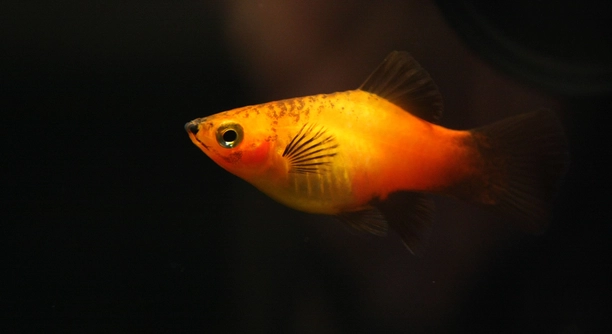
Platies are small, colorful freshwater fish popular in home aquariums. They often flick their fins in various ways that catch the attention of many fish keepers. Understanding this behavior helps deepen the connection with these lively pets.
Platies flick their fins primarily as a form of communication. This fin movement can signal territorial behavior, courtship, or stress. The flicking acts as a subtle visual cue to other fish, helping maintain social order within their environment.
Recognizing the reasons behind fin flicking can improve how you care for platies and their overall well-being in your aquarium.
Why Platies Flick Their Fins
Platies flick their fins mostly to communicate with other fish around them. This movement can show different messages, such as marking their space or showing interest during mating. When a platy flicks its fins, it might be warning others to keep away or trying to attract a mate. Sometimes, fin flicking also happens when the fish feels stressed or uncomfortable. It is a natural behavior that helps platies interact without aggression. Watching these movements can tell you a lot about how your fish is feeling and what’s happening in the tank. If you notice frequent flicking, it may mean changes in tank conditions or the presence of new fish nearby.
This fin flicking is an important part of their social behavior and helps keep the tank peaceful.
Observing how and when platies flick their fins can guide you in providing the best environment. Different types of flicks mean different things, from playful signals to warnings. Knowing this helps reduce stress in your fish. When you understand their body language, you can better recognize signs of illness or discomfort. Adjusting tank mates, water quality, or hiding spots can make a big difference. Each flick is like a small message, and paying attention to these signals builds a better relationship with your fish. It also ensures they stay healthy and happy in your care.
Fin Flicking as a Territorial Signal
When platies flick their fins quickly and repeatedly, they often signal that they are protecting their space. This behavior warns other fish to stay away from their chosen area in the tank. It helps avoid physical fights by using visual signals instead.
Territorial fin flicking is most common in males. They use it to establish dominance and secure a safe spot for themselves. This is especially clear when new fish enter the tank or during breeding season. Understanding this behavior lets you provide enough space and hiding spots to reduce tension. Ensuring the aquarium has enough room helps keep all fish calm and reduces constant fin flicking. When the tank is crowded, flicking may increase as fish compete for space. Managing tank population carefully can make a big difference in their behavior.
Fin Flicking During Courtship
Fin flicking is a key part of platy courtship behavior. Males use this movement to attract females and show their readiness to mate. It helps communicate interest without direct contact, which can prevent unnecessary aggression.
During courtship, a male platy will flick his fins more frequently and display brighter colors. This behavior shows the female that he is healthy and ready to reproduce. The flicking is often combined with swimming patterns that draw attention. Females may respond by flicking their fins too or swimming closer. These signals help both fish coordinate the mating process smoothly. If the tank environment is comfortable and stress-free, courtship flicking becomes more common and successful.
Courtship fin flicking is also a sign of good fish health. A platy showing strong, regular flicking usually feels secure and well cared for, which can reassure you about your tank conditions.
Stress and Fin Flicking
Stress can cause platies to flick their fins more often than usual. Changes in water quality, overcrowding, or aggressive tank mates can trigger this behavior. Flicking becomes a way for fish to express discomfort or nervousness. If you notice sudden increases in fin flicking, it may be a sign to check the tank environment. Poor water parameters like high ammonia or nitrate levels cause stress and abnormal behavior. Providing hiding places and reducing tank overcrowding helps lower stress. Stress-related fin flicking often appears alongside other signs such as rapid breathing or hiding. Keeping conditions stable supports your platies’ well-being and reduces unnecessary fin flicking.
Social Interaction Through Fin Flicking
Platies use fin flicking to interact socially with other fish. It helps them establish relationships without fighting. This behavior keeps the group calm and balanced.
Fin flicking can show friendliness or caution depending on the situation. It’s a subtle way to communicate without physical contact.
Recognizing Different Fin Flick Patterns
Different flick patterns have different meanings. Quick, sharp flicks usually signal warning or territorial behavior. Slow, gentle flicks tend to indicate calmness or curiosity. Watching these patterns helps understand your fish’s mood and needs. This knowledge allows better care and a peaceful tank environment.
When to Be Concerned About Fin Flicking
Excessive or frantic fin flicking might indicate illness or irritation. Check for other symptoms like discoloration or lethargy. If unsure, testing water quality and consulting a vet or aquarium expert is advised.
FAQ
Why do platies flick their fins at other fish?
Platies flick their fins at other fish mainly to communicate. This can be a way to establish territory, show dominance, or warn others to keep their distance. It helps prevent fights by sending clear signals without physical aggression. Sometimes, flicking also signals curiosity or social interest.
Is fin flicking a sign of aggression in platies?
Not always. While fast, repeated flicking can indicate aggression or territorial behavior, gentle flicking might simply be social communication or courtship. Observing the context—like tank mates’ reactions and other behaviors—helps tell if the flicking is aggressive or normal social interaction.
Do male and female platies flick their fins differently?
Yes. Male platies tend to flick their fins more during courtship or territorial displays. Females may flick their fins too but usually less aggressively. Males use flicking to attract mates or warn rivals, while females might flick to respond or show interest.
Can fin flicking mean a platy is stressed or sick?
Yes, excessive or frantic fin flicking can be a sign of stress or illness. Poor water quality, overcrowding, or illness can cause this behavior. If flicking comes with hiding, loss of appetite, or color changes, it’s best to check water parameters and observe for other signs of health problems.
How can I reduce fin flicking caused by stress?
Improving water quality, providing enough space, and adding hiding spots help reduce stress. Avoid sudden changes in tank conditions and limit aggressive tank mates. Keeping a stable environment makes platies feel safe, which lowers stress-related fin flicking.
Is fin flicking normal during platy breeding?
Yes, fin flicking is common during breeding. Males flick their fins to attract females and show readiness to mate. This is a natural part of courtship and usually comes with other behaviors like chasing and displaying colors.
Should I be worried if my platy flicks its fins constantly?
If fin flicking is constant and intense, it might be a problem. This could mean stress, poor water conditions, or territorial disputes. Check the tank setup, water quality, and fish behavior carefully. If other signs of illness appear, consider consulting a vet.
Can fin flicking damage a platy’s fins?
Typically, fin flicking itself does not cause damage. However, if flicking is part of aggressive behavior, it might lead to fin nipping or injury from other fish. Keeping peaceful tank mates and enough space reduces this risk.
Does fin flicking help platies in their social hierarchy?
Yes, fin flicking helps establish and maintain social order in the tank. It allows fish to communicate their status without fighting. This helps reduce stress and aggression, making the tank a calmer place for all the fish.
How can I tell if fin flicking is playful or serious?
Playful fin flicking is usually slower and less intense. It often happens during relaxed interactions or mild chasing. Serious flicking is fast, repeated, and may come with other aggressive signs like chasing or biting. Watching the full behavior pattern helps you understand the intent.
Platies flick their fins for many reasons, mostly to communicate with other fish in their environment. This simple movement can tell you if a platy feels calm, curious, stressed, or even threatened. Understanding why they flick their fins helps you get to know your fish better and respond to their needs. Watching these small signals can improve the way you care for your aquarium and keep your platies happy and healthy. It also makes observing your fish more interesting, as you begin to see how they interact with one another.
Not all fin flicking means the same thing. Sometimes, it shows that a platy is trying to claim its space or warn others to stay away. Other times, fin flicking is part of courtship, where males use it to attract females. Stress can also cause flicking, especially if tank conditions are not ideal or if the fish feel crowded. Learning to recognize these different meanings can help you spot problems early and adjust the tank environment if needed. For example, adding more plants or hiding places can reduce stress, while keeping an eye on water quality can prevent illness.
In general, fin flicking is a natural and important behavior for platies. It is part of how they communicate and live peacefully with other fish. Paying attention to their fin flicking patterns helps you maintain a balanced and healthy tank. It also allows you to enjoy the unique personalities and behaviors of your platies. With a little observation and care, you can create a space where your fish feel secure and express themselves naturally through their fin movements.

Hello,
If you enjoy the content that we create, please consider saying a "Thank You!" by leaving a tip.
Every little bit helps us continue crafting quality advice that supports the health, happiness, and well-being of pets around the world, for pets of all shapes, sizes, and species.
We really appreciate the kindness and support that you show us!