
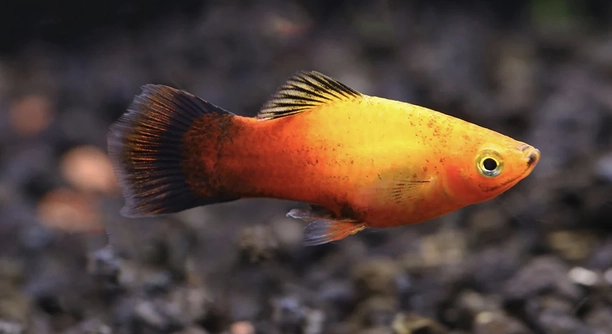
Many fish owners enjoy keeping platies as lively additions to their aquariums. These colorful fish require proper care, especially when it comes to feeding. Understanding their dietary needs can help maintain their health and happiness.
Platies can suffer serious health problems if overfed. Excess food leads to poor water quality and digestive issues, which can ultimately cause stress and even death. Careful portion control is essential for their well-being and longevity.
Knowing how to feed platies correctly will protect them from harm and promote a thriving aquarium environment. This article explains the risks and best feeding practices for these popular fish.
How Overfeeding Affects Platies
Overfeeding platies can cause several problems. When they get too much food, it often leads to leftover bits sinking to the bottom of the tank. This leftover food breaks down and pollutes the water, making it harmful for the fish. Poor water quality can cause stress, infections, and even death. Additionally, platies may eat too much at once, leading to bloating or swim bladder issues, which affect their ability to swim properly. Overfeeding can also make platies less active and more prone to diseases. It is important to feed them only what they can eat in a few minutes to avoid these risks. A balanced diet in the right amount keeps platies healthy and energetic.
Water cleanliness is just as important as the food itself. Frequent water changes help reduce toxins and keep the environment safe for your fish.
Watching your platies’ behavior after feeding helps you adjust the amount to their needs and prevent overfeeding.
Tips to Avoid Overfeeding
Feeding platies small portions two to three times daily is best.
Carefully measure the food to avoid excess. It is better to feed less and add more if needed. Using a feeding ring or timer can help keep feeding consistent. Watch your fish during feeding time and remove any uneaten food quickly to keep the tank clean. Adjust the diet as your platies grow or if their activity level changes. Choosing high-quality food designed for small tropical fish provides the right nutrients without extra fillers. Remember, overfeeding not only harms your platies but also creates more work with tank maintenance. Keeping feeding simple and controlled helps maintain a healthy aquarium.
Signs of Overfeeding in Platies
Platies that are overfed often show clear signs. They may appear bloated or swim awkwardly. Uneaten food in the tank is another warning. These signs suggest adjustments are needed to their feeding routine.
Bloating happens when platies consume too much at once, causing their stomachs to swell uncomfortably. This can lead to swim bladder problems, making it hard for them to stay balanced. Overfed platies may also become less active and hide more than usual. Excess food decays, reducing water quality, which stresses the fish and can trigger illness. If you notice any of these signs, it’s important to reduce the food amount and improve tank cleanliness immediately.
Changing feeding habits early prevents serious health issues. Monitoring your platies closely after feeding helps catch overfeeding effects quickly. Providing small, measured meals supports their health and tank cleanliness.
Impact of Overfeeding on Aquarium Environment
Overfeeding does more than harm platies directly; it also damages the aquarium ecosystem.
Excess food decomposes and releases harmful substances like ammonia and nitrites into the water. These toxins reduce oxygen levels and create an unhealthy habitat. The waste buildup encourages algae growth, which can cloud the water and reduce light. Poor water conditions stress all aquatic life, increasing disease risk. A dirty tank demands more frequent water changes and maintenance. Keeping feeding controlled protects both your platies and the entire tank environment, making care easier and fish healthier.
How Much Should You Feed Your Platies?
Feeding platies just the right amount is key to their health. A good rule is to offer only what they can eat within two to three minutes.
Smaller, frequent feedings are better than one large meal. This helps prevent leftover food and keeps the tank clean.
Choosing the Right Food for Platies
Platies do well on a varied diet that includes flakes, pellets, and occasional live or frozen foods like brine shrimp or daphnia. High-quality flakes or pellets designed for tropical fish provide balanced nutrition. Adding vegetables such as blanched zucchini or spinach supports their health. Avoid overfeeding with high-fat foods, which can cause obesity and health issues. Rotating food types ensures platies get the nutrients they need without excess. Feeding small amounts multiple times daily maintains their energy and reduces waste buildup in the aquarium.
Cleaning Up Uneaten Food
Removing leftover food quickly prevents water pollution. Use a siphon or net to clear uneaten bits after feeding.
FAQ
Can platies die from overfeeding?
Yes, platies can die if overfed. Overfeeding leads to poor water quality, which causes stress and diseases. Excess food can also cause digestive problems and bloating, which may result in swim bladder issues. These health complications weaken the fish, sometimes leading to death if not addressed quickly.
How often should I feed my platies?
Feeding platies two to three times a day in small amounts is ideal. Give only as much food as they can consume within two to three minutes. This helps prevent leftover food from polluting the tank and reduces the risk of overfeeding.
What happens if I feed my platies too much?
Feeding platies too much causes leftover food to settle at the bottom, which decays and releases harmful toxins into the water. The fish may become bloated, less active, and more prone to illness. Overfeeding also increases algae growth and reduces oxygen levels in the tank.
What is the best type of food for platies?
High-quality flakes or pellets made for tropical fish are best. These provide balanced nutrition. You can also offer occasional live or frozen foods like brine shrimp or daphnia, plus some blanched vegetables such as zucchini or spinach to add variety and nutrients.
How do I know if my platies are overfed?
Signs include bloated bellies, slow or awkward swimming, and increased hiding. Uneaten food in the tank is another clue. If you see these, reduce feeding amounts and check your tank’s water quality immediately.
Can overfeeding affect water quality?
Yes, leftover food breaks down and produces ammonia and nitrites, which are toxic to fish. Poor water quality stresses platies and can cause disease or death. Frequent water changes and careful feeding help maintain clean, healthy water.
Is it okay to feed platies once a day?
Feeding once a day can be enough if the portion is small and nutritious. However, feeding two to three smaller meals daily is better to keep platies active and reduce waste buildup. Consistency is key in any feeding schedule.
Should I remove uneaten food from the tank?
Yes, removing uneaten food quickly is important. Use a siphon or net after feeding to clean the tank bottom. This prevents food from decomposing and harming water quality, helping keep your platies healthy.
Can overfeeding cause obesity in platies?
Yes, platies can become overweight if fed too much high-fat food regularly. Obesity weakens their immune system and shortens their lifespan. Feeding balanced portions and varied food helps prevent weight problems.
What can I do if my platy looks bloated?
Stop feeding for a day or two to let their digestive system rest. Make sure the water quality is excellent. You can also try feeding a pea (skin removed), which acts as a mild laxative. If bloating continues, consult a vet or experienced aquarist.
Final thoughts on feeding platies center around the importance of balance and care. Overfeeding is a common mistake that can easily be avoided with simple steps. Platies are small fish that do not need large amounts of food to stay healthy. Feeding them the right portion size ensures they get enough nutrients without harming their bodies or the tank environment. Too much food can cause health problems like bloating and swim bladder issues, which affect their swimming and overall well-being. Keeping feeding amounts small and regular helps maintain their energy and prevents these problems.
Another important point is how overfeeding affects the aquarium itself. Leftover food does not just disappear; it breaks down and releases harmful chemicals into the water. These chemicals can poison the fish and encourage harmful algae growth, making the tank unhealthy. Maintaining good water quality is just as vital as feeding correctly. Regular water changes and cleaning up leftover food prevent toxins from building up. A clean tank supports not only platies but all aquatic life inside. Careful feeding reduces waste and makes tank maintenance easier for the keeper.
Lastly, watching your platies closely is a good habit. Fish behavior can tell a lot about their health and the tank’s condition. If you notice bloating, sluggish swimming, or extra food left uneaten, these are signs to adjust feeding habits. Feeding small portions multiple times a day is better than one large feeding. A varied diet with quality food also helps platies stay strong and colorful. Taking time to understand their needs and the tank’s health will ensure your platies live longer and happier lives. This balance between feeding and care creates a healthy environment for your fish to thrive.

Hello,
If you enjoy the content that we create, please consider saying a "Thank You!" by leaving a tip.
Every little bit helps us continue crafting quality advice that supports the health, happiness, and well-being of pets around the world, for pets of all shapes, sizes, and species.
We really appreciate the kindness and support that you show us!