
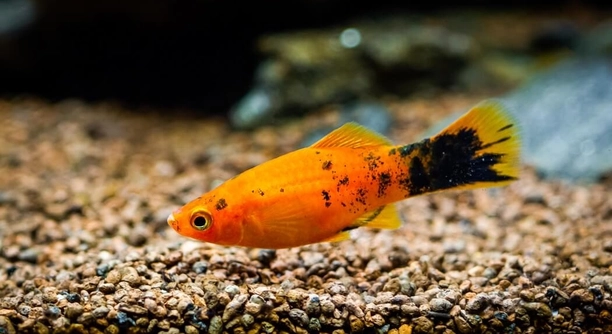
Platies are popular freshwater fish that many enjoy keeping in home aquariums. Like all pets, they can face health problems that affect their well-being. Recognizing common illnesses early helps keep them healthy and thriving in your care.
Seven common illnesses affect platies, including ich, fin rot, and swim bladder disorder. Each disease has specific symptoms and causes that require targeted prevention and treatment strategies to ensure their health and longevity.
Knowing the signs and prevention methods can help you protect your platy fish and maintain a vibrant aquarium environment.
Ich (White Spot Disease)
Ich is a common parasitic infection that appears as tiny white spots on a platy’s body and fins. It causes irritation, leading the fish to scratch against surfaces. Infected platies may become lethargic, lose appetite, and have difficulty breathing. Ich thrives in poor water conditions or when fish are stressed. To treat ich, raising the aquarium temperature slightly and using medicated treatments specifically for ich is effective. Quarantining new fish before introducing them to the tank also helps prevent the spread. Keeping the water clean with regular changes reduces the risk of outbreaks. Early detection is crucial because ich can spread quickly and harm other fish in the tank.
Maintaining stable water parameters and reducing stress are the best ways to prevent ich in platies. Clean water and a healthy environment limit the parasite’s ability to thrive.
Proper tank maintenance and quick treatment ensure the infection does not worsen. Regular monitoring helps catch the disease early, protecting your fish’s health.
Fin Rot
Fin rot causes the fins of platies to fray and decay, often starting at the edges. It results from bacterial infection, usually due to poor water quality or injury. Signs include ragged fins and redness at the base. Without treatment, it can spread and lead to severe tissue damage, affecting swimming. Improving water quality by frequent water changes and using antibacterial medications can stop fin rot. Providing a stress-free environment also supports recovery. Damaged fins will slowly regenerate with proper care, but prevention is the best approach. Regular tank cleaning and avoiding overcrowding reduce the risk of fin rot outbreaks.
Preventing fin rot depends largely on keeping the tank clean and stable. This reduces bacterial growth and supports your platy’s immune system.
Using water conditioners and monitoring water parameters frequently helps maintain a healthy environment and keeps infections away.
Swim Bladder Disorder
Swim bladder disorder affects a platy’s ability to control buoyancy. Fish may float uncontrollably or sink to the bottom. This condition is often caused by overfeeding, constipation, or infections.
Diet plays a major role in preventing swim bladder issues. Feeding small amounts of high-quality food and including fiber-rich items like peas can reduce constipation. Overfeeding or sudden diet changes should be avoided. Keeping the tank clean and monitoring feeding habits helps maintain healthy digestion.
If swim bladder problems occur, fasting the fish for a day or two and then offering softened food may help. Infections require medication, but careful observation is key to avoid worsening the condition.
Velvet Disease
Velvet disease is caused by a parasite that gives the fish a dusty, gold or rusty appearance on their skin. It causes itching, lethargy, and loss of appetite.
This disease spreads quickly in crowded or poorly maintained tanks. Increasing water temperature and using specific anti-parasitic treatments can eliminate the parasite. Preventing velvet disease depends on good water quality, quarantine of new fish, and reducing stress. Keeping your platies healthy with a balanced diet supports their immune system, helping them resist infections like velvet disease.
Dropsy
Dropsy causes swelling in a platy’s body due to fluid buildup, making the fish look bloated. It usually signals internal infection or organ failure.
The fish’s scales may stick out, giving a pinecone-like appearance. Dropsy is often fatal without prompt treatment, so early action is critical.
Hole-in-the-Head Disease
Hole-in-the-head disease causes small pits or holes to form on the fish’s head and face. Poor water quality and nutritional deficiencies often lead to this condition. Maintaining clean water and providing a balanced diet with essential vitamins helps prevent the disease. Treatment involves improving tank conditions and using medicated food or water additives.
Cotton Wool Disease
Cotton wool disease appears as white, fuzzy patches on the platy’s skin or fins. It is caused by fungal infections that thrive in poor water conditions. Removing affected fish to quarantine and using antifungal treatments quickly can prevent spread. Good tank hygiene is essential to keep this disease away.
FAQ
What are the first signs of illness in platies?
Early signs include changes in behavior such as lethargy, loss of appetite, or erratic swimming. Physical changes like white spots, frayed fins, swelling, or discoloration are also common indicators. Regular observation helps catch these symptoms before the illness worsens.
How can I improve my platy’s water quality?
Perform regular water changes of 20-30% weekly. Use a reliable filter and test water parameters often for ammonia, nitrite, nitrate, and pH levels. Avoid overcrowding the tank and remove uneaten food to prevent toxins from building up.
Can diet prevent common platy diseases?
Yes. A balanced diet with high-quality flakes, pellets, and occasional vegetables supports the immune system. Feeding small portions to avoid overfeeding also reduces digestive problems that can lead to swim bladder disorder.
How should I quarantine new fish?
Quarantine new platies in a separate tank for at least two weeks. Monitor for signs of illness during this period. This prevents introducing diseases into the main aquarium and keeps existing fish safe.
What treatments work best for ich?
Raising the tank temperature gradually to about 82°F helps speed up the parasite’s life cycle. Medications containing formalin, malachite green, or copper-based compounds are effective. Follow the treatment instructions carefully to avoid harming your fish.
How do I treat fin rot?
Improve water conditions immediately by performing water changes and removing any sharp decorations that may cause injury. Use antibacterial medications specifically designed for fin rot. Keep stress low to aid healing and promote fin regrowth.
Is it safe to mix platies with other fish?
Platies are peaceful and do well with similar-sized, non-aggressive fish. Avoid housing them with large or aggressive species that may stress or injure them, increasing their risk of illness.
How often should I clean the tank?
Clean the tank weekly by changing 20-30% of the water and removing debris. Clean filters monthly or as recommended by the manufacturer. Consistent cleaning reduces harmful bacteria and parasites.
What causes swim bladder disorder?
Overfeeding and constipation are common causes. Poor diet or sudden changes in food can disrupt digestion. Infections and physical injury may also cause swim bladder problems.
Can stress cause diseases in platies?
Yes. Stress weakens their immune system, making them more susceptible to infections. Stress can come from poor water quality, overcrowding, or sudden changes in environment.
How can I prevent velvet disease?
Maintain clean water and avoid overcrowding. Quarantine new fish before adding them to the tank. Using a UV sterilizer may help reduce parasite levels. Stress reduction also improves resistance.
When should I seek veterinary care?
If symptoms persist despite treatment or worsen quickly, professional help is recommended. A vet can provide accurate diagnosis and stronger medications.
Are medications safe for all aquarium fish?
Not always. Some medications can harm sensitive species or plants. Always check compatibility and follow dosage instructions carefully to avoid harming your tank ecosystem.
Can platies recover fully from these illnesses?
Many illnesses can be treated successfully if caught early. Chronic or advanced infections may cause lasting damage, but proper care improves survival chances.
How do I keep my platies happy and healthy long-term?
Provide clean water, a balanced diet, stable temperature, and a calm environment. Regular observation helps catch problems early, ensuring your platies live vibrant lives.
Taking care of platies involves paying close attention to their health and environment. These fish are generally hardy but can develop illnesses if conditions are not ideal. Common diseases such as ich, fin rot, and swim bladder disorder often arise from poor water quality, stress, or improper feeding. Preventing these issues is easier than treating them later, so maintaining a clean tank and providing a balanced diet are essential steps. Regular monitoring of your fish helps catch signs of illness early, allowing for quicker and more effective treatment.
It is important to act promptly when health problems appear in your platies. Many diseases progress quickly, and delaying treatment can result in more severe damage or even death. Using proper medications and following treatment instructions closely can save your fish’s life. Additionally, keeping new fish quarantined before adding them to your main tank reduces the risk of spreading infections. Avoid overcrowding and sudden changes in water parameters to minimize stress, which weakens the immune system. These habits contribute significantly to the well-being of your platies and the overall health of your aquarium.
Caring for platies is rewarding when their health is stable, and they show vibrant colors and active behavior. It requires consistent effort but helps ensure they live full, healthy lives. Understanding common illnesses and their prevention empowers you to provide the best care possible. While no one can guarantee a completely disease-free tank, following good practices greatly reduces the chances of problems. Keeping your platies comfortable and healthy creates a pleasant environment for both you and your fish, making the experience enjoyable for everyone involved.

Hello,
If you enjoy the content that we create, please consider saying a "Thank You!" by leaving a tip.
Every little bit helps us continue crafting quality advice that supports the health, happiness, and well-being of pets around the world, for pets of all shapes, sizes, and species.
We really appreciate the kindness and support that you show us!