
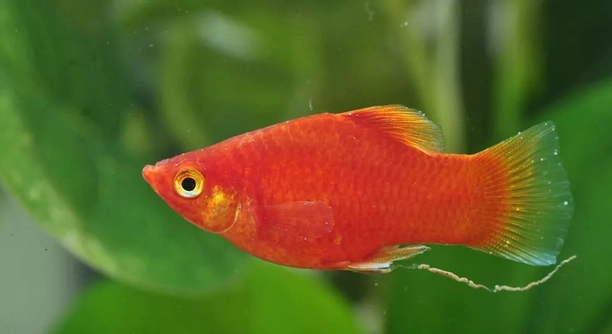
Is your platy swimming slower than usual or resting at the bottom of the tank more often? Noticing lethargy in your platy can be concerning and might indicate that something is affecting its health or environment. Understanding the possible causes is important for timely care.
Platy lethargy commonly results from poor water quality, improper temperature, inadequate diet, or illness. Environmental stressors and infections often reduce activity levels, signaling that the fish requires immediate attention to prevent further health decline.
Recognizing the reasons behind your platy’s behavior helps you take proper steps to improve its condition and well-being.
Common Causes of Lethargy in Platies
Lethargy in platies often points to issues in their environment or health. Poor water quality is one of the main reasons; high levels of ammonia, nitrites, or nitrates can stress fish and reduce their activity. Temperature fluctuations or temperatures outside their preferred range can also slow them down. Nutritional deficiencies from an imbalanced diet affect their energy and immune system, making them less active. Illnesses such as bacterial infections, parasites, or fungal growths frequently cause lethargy as the fish fights the infection. Stress from overcrowding or aggressive tank mates adds to the problem. Regular water testing and maintenance are essential to keep water conditions stable. Feeding a varied diet with proper nutrients helps maintain vitality. Observing your platy closely for physical signs like discoloration or unusual spots can help identify health issues early. Proper tank care and monitoring can prevent most causes of lethargy and promote a lively fish.
Maintaining stable water conditions is critical for your platy’s health and activity levels.
Keeping the tank clean and checking water parameters regularly ensures your platy stays energetic. Small changes in water quality or temperature can significantly affect behavior. Adjusting diet and reducing stress factors create a healthy environment. Early detection of illness allows faster treatment, improving recovery chances. A well-maintained tank supports your platy’s natural behavior and overall happiness.
How to Improve Your Platy’s Activity
Improving a lethargic platy’s activity starts with correcting the environment. Regular water changes, using a reliable test kit, help keep ammonia and nitrate levels low. Adjust the tank temperature to 74-78°F (23-26°C), which is ideal for platies. Avoid overcrowding by maintaining a proper fish-to-gallon ratio and remove aggressive tank mates. Offering a balanced diet rich in protein and plant matter encourages natural foraging and movement. Adding live plants provides hiding spots and mimics a natural habitat, reducing stress. If illness is suspected, isolate the fish and consult a vet or aquarium specialist for treatment options. Observing the fish’s response after changes is important to confirm improvement. Patience is key, as recovery may take time. Keeping the tank environment stable and stress-free will help your platy regain its energy and thrive once again.
Monitoring Your Platy’s Behavior
Consistent observation is vital to understand your platy’s health. Watch for changes in swimming patterns, appetite, or interactions with other fish.
Tracking daily behavior helps catch issues early. Note any sudden lethargy or hiding, which can signal illness or stress. Pay attention to how your platy responds to feeding times and if it maintains regular activity. Changes in color or fins can also indicate problems. Keeping a simple journal or mental note of these observations supports better care decisions. Early detection through monitoring often leads to more effective treatment and faster recovery.
Behavior monitoring also involves checking the tank environment frequently. Regularly test water quality and observe any changes in conditions. When your platy feels safe and comfortable, it shows in its activity. Taking small steps to reduce stressors, like tank disturbances or aggressive fish, encourages more natural behavior. Staying proactive with your platy’s health improves its chance for a longer, happier life.
When to Seek Professional Help
If lethargy persists despite improving water and diet, professional advice is necessary. Some conditions require targeted treatment beyond basic care.
A veterinarian or aquatic specialist can diagnose diseases or infections that are not obvious. They may recommend medication or specific therapies tailored to your platy’s condition. Ignoring persistent symptoms can lead to worsening health or death. Seeking help early prevents complications and supports better recovery. Professionals can also offer guidance on tank setup and fish compatibility to avoid future problems.
Sometimes, your platy’s lethargy may be linked to complex causes, such as genetic issues or hidden parasites. Professional assessment ensures these factors are not missed. Regular checkups or consultations are beneficial, especially if you keep multiple fish. Expert advice improves your ability to maintain a healthy environment and provide proper care for your platy.
Preventing Lethargy in Platies
Consistent tank maintenance is key to preventing lethargy. Regular water changes and monitoring water quality help keep the environment healthy.
Feeding a balanced diet and avoiding overcrowding also reduce stress, keeping platies active and healthy.
Recognizing Signs of Illness
Changes like faded colors, clamped fins, or gasping at the surface often indicate illness. Early recognition allows for quicker treatment and recovery. Watch for unusual spots, swelling, or rapid breathing as well.
Importance of Tank Cleanliness
A clean tank reduces harmful bacteria and toxins that can cause illness. Regular removal of waste and uneaten food prevents water contamination.
Feeding Tips for Platies
Feed small amounts 2-3 times daily with varied food. Avoid overfeeding to prevent water quality issues.
FAQ
Why is my platy suddenly lethargic?
A sudden drop in activity often signals changes in water quality, temperature, or diet. Stress from new tank mates or illness can also cause lethargy. Testing your water and checking for signs of disease is important to address the issue quickly.
How can I improve my platy’s energy?
Improving water conditions by performing partial water changes and keeping the temperature stable between 74-78°F helps. Feeding a varied diet with high-quality flakes, frozen, or live food provides essential nutrients that boost energy.
Can poor water quality make my platy lethargic?
Yes, poor water quality is a major factor in lethargy. High ammonia, nitrites, or nitrates stress fish and affect their health. Regular testing and cleaning help maintain a safe environment and prevent lethargy.
How often should I test my tank water?
Testing once a week is ideal for detecting harmful chemicals early. More frequent testing may be needed if your tank is new or if fish show signs of stress or illness.
What temperature is best for platies?
Platies thrive in water temperatures between 74-78°F (23-26°C). Temperatures outside this range can slow metabolism, causing lethargy. Use an aquarium heater and thermometer to maintain stable conditions.
Is my platy lethargic because of illness?
Lethargy can be a symptom of illness such as bacterial infections, parasites, or fungal growth. Look for other signs like spots, fin damage, or unusual breathing. Isolating the fish and consulting an expert can help.
How do I treat a sick platy?
Treatment depends on the illness. Common approaches include medicated food, aquarium salt, or specific medications for parasites or bacteria. Always follow dosing instructions carefully and quarantine sick fish to prevent spread.
Can stress cause lethargy in platies?
Yes, stress from overcrowding, aggressive tank mates, or sudden changes in environment often causes lethargy. Providing hiding spots, avoiding overstocking, and maintaining stable conditions reduce stress.
What diet helps keep platies active?
A balanced diet with high-quality flakes or pellets, supplemented with live or frozen foods like brine shrimp and bloodworms, supports energy levels. Including some plant-based foods mimics their natural diet and promotes health.
Should I change the water if my platy is lethargic?
Performing a partial water change can improve water quality and help your platy feel better. Avoid changing all the water at once, as sudden changes can stress fish further.
How much should I feed my platy?
Feed small amounts 2-3 times daily, offering only what the fish can consume in a few minutes. Overfeeding pollutes the water and can contribute to lethargy.
Can tank size affect my platy’s activity?
A small, overcrowded tank limits swimming space and raises stress levels, which can cause lethargy. A minimum 10-gallon tank per a small group of platies is recommended to keep them healthy and active.
What plants help reduce stress for platies?
Live plants like Java moss, Anubias, and hornwort provide hiding spots and improve water quality. These plants create a more natural habitat, helping platies feel secure and more active.
When should I seek professional help for my platy?
If lethargy lasts more than a few days despite good water quality and care, or if you notice physical symptoms like sores, fin rot, or labored breathing, it’s time to consult an aquatic vet or specialist.
Can changing tank mates help with lethargy?
Yes, removing aggressive or overly active tank mates can reduce stress. Platies prefer peaceful community tanks, so ensuring compatible fish helps maintain activity and well-being.
Is lighting important for my platy’s activity?
Proper lighting supports natural behavior and feeding patterns. Avoid sudden bright lights and maintain a consistent day-night cycle to reduce stress and encourage activity.
How do I quarantine new fish to prevent lethargy?
Quarantine new fish for at least two weeks in a separate tank to monitor health and prevent introducing diseases. This practice protects your existing fish from stress and illness.
Can temperature swings cause lethargy?
Yes, sudden drops or rises in temperature disrupt metabolism and weaken the immune system, causing lethargy. Use a heater and thermometer to maintain stable temperatures.
What are common signs of stress in platies?
Signs include hiding, clamped fins, loss of appetite, and reduced swimming. Recognizing stress early allows you to address environmental factors before lethargy develops.
How do I safely introduce live plants to the tank?
Rinse plants thoroughly to remove pests and treat with aquarium-safe solutions if needed. Healthy plants improve water quality and provide enrichment, reducing lethargy risk.
This FAQ covers key points to help maintain your platy’s health and address lethargy effectively. Taking proactive steps ensures a lively and thriving fish.
Lethargy in platies is a common issue that many fish owners face, and it often signals that something in the fish’s environment or health needs attention. Maintaining good water quality is the foundation of preventing lethargy. Regular water changes, testing for harmful chemicals, and keeping the temperature steady help create a stable environment where platies can thrive. Feeding a balanced diet with the right nutrients also supports their energy levels and overall health. When these basics are kept in check, platies are more likely to stay active and show their natural behavior.
It is important to observe your platy regularly. Changes in activity, appetite, or appearance can be early signs of stress or illness. Lethargy does not always have a simple cause; it can result from water problems, disease, poor diet, or stress from tank conditions. Acting quickly when you notice signs can prevent small problems from becoming serious. Sometimes, despite good care, a platy may still become sick, and consulting a specialist or veterinarian is the best way to get proper treatment. Taking the time to understand your fish’s needs helps keep it healthy for the long term.
Keeping your platy healthy is a continuous process that involves careful attention to its environment and behavior. Simple habits like consistent water testing, appropriate feeding, and watching for unusual signs make a big difference. A healthy tank with the right temperature, clean water, and peaceful tank mates encourages your platy to be more active and live longer. While lethargy can be worrying, understanding its causes and responding promptly allows you to provide the best care. With patience and effort, you can help your platy regain energy and enjoy a comfortable life in your aquarium.

Hello,
If you enjoy the content that we create, please consider saying a "Thank You!" by leaving a tip.
Every little bit helps us continue crafting quality advice that supports the health, happiness, and well-being of pets around the world, for pets of all shapes, sizes, and species.
We really appreciate the kindness and support that you show us!