
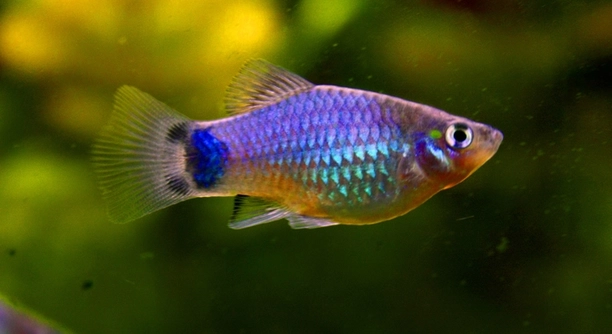
Do your platies sometimes leap from the tank, leaving you startled and unsure what caused their sudden escape attempts?
Platies may jump from tanks due to poor water quality, stress, overcrowding, sudden environmental changes, lack of a secure lid, or natural instincts. These factors can trigger escape behaviors as a response to discomfort or threat.
Learning the reasons behind this behavior helps prevent future accidents and ensures your platies remain safe and comfortable in their tank.
Poor Water Quality Can Trigger Jumping
When water conditions in the tank decline, platies may try to escape. Ammonia spikes, low oxygen levels, and high nitrate levels can stress them quickly. These fish rely on clean, well-oxygenated water to stay healthy. If they sense something is wrong, jumping can become a reaction to discomfort. Poor filtration, infrequent water changes, or leftover food can throw off the balance. You might not see visible signs immediately, but platies feel the changes. Their jumping can be their way of searching for safer conditions, especially when their environment no longer feels livable. Staying ahead with regular testing and maintenance helps prevent this. Keep in mind that what seems fine to us might already be too much for them.
Maintaining proper water parameters is essential. Stick to a routine cleaning schedule and test the water regularly using reliable kits.
Clean, stable water keeps your platies calm and significantly lowers their chances of jumping out.
Sudden Environmental Changes
Fast changes in temperature or light can startle platies. They respond to sudden shifts by reacting instinctively, and that can include jumping.
Temperature drops from cold water changes or direct sunlight exposure during the day can create stressful fluctuations. Adding cold tap water without proper adjustment shocks their system. Loud sounds or flicking lights also create unease. Even rearranging plants or decorations too frequently can throw them off. Platies prefer steady, predictable surroundings. When their environment shifts too quickly, they lose that sense of safety. Always match water temperatures when refilling and avoid placing tanks near windows or high-traffic areas. If you’re doing tank maintenance, move slowly and try to keep noise levels low. Dim lights gradually before turning them off at night. Small habits like these help create a more peaceful tank space. By reducing sudden changes, you’ll reduce jumping incidents and help your platies stay relaxed.
Overcrowding in the Tank
Too many fish in a small tank causes stress, and platies might jump to escape. Overcrowding lowers oxygen, raises waste levels, and increases territorial behaviors, making the environment feel unsafe or uncomfortable.
Platies thrive in community tanks but still need personal space. When the tank is overcrowded, competition for food and territory can make them feel trapped. Limited swimming room and elevated waste levels from too many fish quickly reduce water quality. Even peaceful platies can become anxious under these conditions. If a fish feels cornered or constantly chased, jumping becomes a way to flee perceived threats. To avoid this, follow recommended stocking guidelines based on tank size. For platies, a good rule is one inch of fish per gallon of water. Always account for future growth and avoid cramming too many fish together, no matter how small they seem.
Make sure each platy has enough space to swim freely and claim its own area. Regularly observe your tank to check for signs of tension or competition. Rearranging decorations and adding more plants can help reduce stress, but the best solution is reducing the number of fish if needed. Providing a calm, balanced tank helps your platies feel secure and less likely to jump.
Lack of a Secure Lid
A tank without a proper lid makes it easy for platies to jump out. Even the calmest fish might leap when startled or stressed, and without a cover, there’s nothing to stop them.
Platies are quick swimmers and occasionally test the surface when chasing food or exploring. If spooked, their instinct to flee can cause them to leap straight out of the tank. A lid is your best defense against this. Glass, mesh, or plastic covers all help prevent accidents, as long as they fit tightly and allow airflow. Always make sure your lid has no gaps around filter openings or feeding slots. Platies don’t need much space to slip through. Even a small gap can lead to trouble if one gets too curious or panicked. Consider adding floating plants to break up the surface and reduce skittish behavior. In the end, a proper lid offers the most reliable protection.
Natural Instincts and Breeding Behavior
Platies are active fish, and during breeding, their energy levels increase. Males often chase females nonstop, and in the excitement, one may jump out. This behavior is common in livebearers when space or hiding spots are limited.
In some cases, platies might jump just because they can. Their wild instincts tell them to explore beyond boundaries or escape predators, even when none are present. This natural urge, combined with stress or excitement, makes jumping more likely. A calm tank with enough plants and space helps keep their instincts from turning into risky behavior.
Aggression from Tank Mates
Platies are usually peaceful, but aggressive tank mates can push them to jump. If another fish constantly nips or chases them, they may try to escape. Always choose tank mates with similar temperaments to reduce stress and prevent injuries from bullying or territorial behavior.
Reflections and Light Disturbances
Strong lighting or reflections on the glass can confuse platies. They might see their reflection and mistake it for another fish, leading to defensive or startled behavior. This can cause sudden bursts of movement and result in accidental jumps from the tank.
FAQ
Why do platies jump out of tanks even when conditions seem fine?
Sometimes platies jump simply because of sudden noises or vibrations that startle them. Even if water quality and tank setup look good, unexpected disturbances like loud sounds, tapping on the glass, or rapid movements nearby can scare them. Their natural instinct is to flee perceived danger, so jumping becomes a quick escape method. Also, small environmental changes unnoticed by owners, like slight temperature shifts or flickering lights, may trigger this behavior.
How can I prevent platies from jumping out of the tank?
The most effective way is to use a secure, well-fitting lid on your aquarium. This physically stops fish from escaping. Alongside this, maintaining stable water conditions and a calm environment reduces stress that might cause jumping. Avoid loud noises or sudden movements near the tank, and limit sudden light changes. Providing plenty of hiding places with plants or decorations also helps platies feel safe and less prone to escape attempts.
Is jumping harmful to platies?
Jumping itself is risky because platies can injure themselves when they hit the tank edge or land outside the water. Exposure to air can cause stress and damage to their delicate gills and skin. If you find a platy outside the tank, gently wet your hands and carefully return it to water as soon as possible. The injury risk and stress from jumping make it important to address the cause to prevent repeated attempts.
Do all platies jump or only certain ones?
Not all platies jump. Some are more prone due to personality or health, while others rarely try to escape. Younger or more active fish might be more curious and adventurous, leading to occasional jumps. Stress, tank conditions, or social pressure can also increase the likelihood. Keeping the environment stable and calm reduces jumping chances for all fish.
Can tank size influence platy jumping?
Yes, tank size plays a significant role. Small, cramped tanks create stress and aggression, pushing platies to try escaping. Larger tanks with enough space reduce crowding and offer more room to swim and hide, helping platies feel secure. Follow recommended tank sizes and avoid overstocking to keep jumping behavior low.
Does feeding affect platies’ jumping behavior?
Feeding can influence jumping in two ways. Overfeeding leads to poor water quality, which stresses fish and may increase jumping. On the other hand, during feeding times, platies may become excited and more active near the water surface, sometimes causing accidental jumps. Feeding smaller amounts multiple times a day and cleaning leftovers promptly helps keep water quality and fish behavior stable.
Can jumping cause health problems for platies?
Repeated jumping and exposure to air can lead to infections or physical injuries like torn fins or damaged scales. Stress from jumping weakens their immune system, making them vulnerable to diseases. Watching for signs of injury or illness after a jump is important. Quarantining injured fish or treating them promptly can prevent more serious health issues.
Are some tank decorations better to prevent jumping?
Yes. Using tall plants, both live or artificial, and decorations that break up open swimming areas helps reduce jumping. Dense foliage provides hiding spots and makes the surface less intimidating. Floating plants create shaded areas that calm fish. Avoid overly open tanks with no cover or places to retreat, as these encourage jumping from anxiety or boredom.
Does water temperature play a role in platy jumping?
Sudden drops or spikes in water temperature stress platies, increasing jumping chances. Keeping water temperature steady within the ideal range (usually 70–78°F) is essential. Use heaters and thermometers to monitor and adjust temperature gradually when needed. Avoid cold tap water during changes to prevent shock that might trigger escape attempts.
What should I do if my platy keeps jumping despite precautions?
If jumping continues, reevaluate all tank conditions, including water quality, temperature, tank mates, and decorations. Sometimes stress or illness is harder to spot but may cause restless behavior. Consider consulting a fish expert or veterinarian for advice. In some cases, upgrading to a larger tank or improving filtration can make a big difference in reducing this behavior.
Platies jumping out of tanks can be frustrating and worrying. Understanding the reasons behind this behavior is important to keep them safe and healthy. Various factors such as water quality, tank setup, environmental changes, and social dynamics all play a role in why platies may try to escape. Paying attention to these details helps prevent jumping and creates a better living space for your fish. Consistent care and observation can reduce stress and make your platies feel secure in their environment.
Maintaining clean and stable water conditions is one of the most important steps. Regular testing for ammonia, nitrites, and nitrates, as well as timely water changes, support healthy fish behavior. A secure tank lid is essential, as even calm platies can jump unexpectedly. Providing enough space and avoiding overcrowding also make a big difference. When platies have room to swim freely and places to hide, they are less likely to feel the need to escape. Additionally, minimizing sudden noises, light changes, and temperature fluctuations helps keep the tank environment peaceful.
Taking small but consistent actions improves the overall health and happiness of your platies. Watching for signs of stress or injury and adjusting the tank conditions accordingly can prevent many problems before they start. If you notice repeated jumping despite your efforts, consider reviewing your setup and consulting experts if needed. Ultimately, creating a stable, safe, and comfortable home for your platies ensures they stay lively and active without risking injury from jumping. This care benefits both you and your fish for a positive aquarium experience.

Hello,
If you enjoy the content that we create, please consider saying a "Thank You!" by leaving a tip.
Every little bit helps us continue crafting quality advice that supports the health, happiness, and well-being of pets around the world, for pets of all shapes, sizes, and species.
We really appreciate the kindness and support that you show us!