
Are you thinking of adding platies to your tank but aren’t sure which types might suit your setup or preferences best?
Platies come in various types, primarily categorized by color, fin shape, and patterns. Common varieties include Mickey Mouse, wagtail, tuxedo, and sunset platies. Each type offers unique visual traits and manageable care needs for aquarists.
From bold patterns to subtle hues, each type has something special to offer both new and experienced fish keepers.
Common Types of Platies
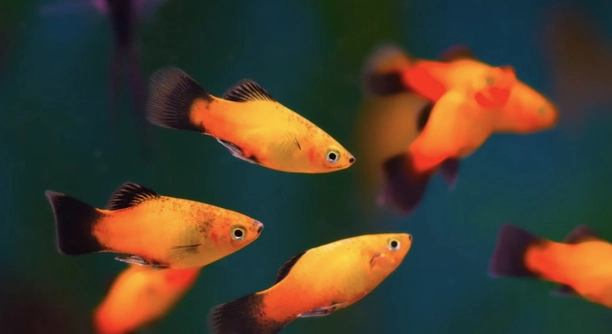
Platies are available in a wide range of types, each with distinct colors, patterns, and fin styles. Some of the most common include the Mickey Mouse platy, named for the shape near its tail; the wagtail platy, which has contrasting black fins; and the tuxedo platy, known for its two-toned body. Sunset platies showcase bright orange and yellow hues, while red wagtail platies combine bold red with dark tails. These variations not only add color to aquariums but also help hobbyists create visually balanced setups. All types generally require similar care, making them easy to mix in community tanks.
Mickey Mouse platies are especially popular due to their peaceful nature and recognizable markings, making them a favorite for beginners.
Wagtail and tuxedo platies are often chosen for their strong contrast in colors. The darker shades in their fins or body provide a striking look, especially when placed in well-lit tanks with vibrant plants.
Unique Traits and Compatibility
Platies are known for their calm temperament and social behavior, which makes them ideal for community tanks.
When choosing between types, consider their patterns and how they interact with other fish. Most platies, regardless of color or fin shape, coexist well with peaceful species like mollies, guppies, or corydoras. They are livebearers, meaning they give birth to free-swimming fry rather than laying eggs. This can result in surprise fry if males and females are kept together. Though they are hardy, consistent water conditions and a balanced diet still matter. Fancy fin types may require slightly more care, especially in crowded tanks, as their extended fins can be nipped by more aggressive fish. Always provide hiding spaces with plants or decor to reduce stress and encourage natural behavior. Their adaptability, bright appearance, and ease of care make them a solid choice for both new and experienced fish keepers.
Breeding and Color Variations
Platies breed easily in home aquariums, often without intervention. Males have a slimmer body and a pointed anal fin, while females are rounder with a fan-shaped fin. Keeping both sexes together usually results in frequent fry.
Selective breeding has produced a wide range of color combinations and patterns in platies. Breeders often cross different types to enhance traits like fin shape, body color, and markings. This has led to unique hybrids, such as the blue coral platy or the rainbow platy. Some of these varieties aren’t found in the wild and are created purely for aesthetic appeal. Despite their differences in appearance, their care needs remain the same. Platies typically give birth every four to six weeks if conditions are right, so it’s helpful to separate males and females or provide hiding spots for the fry if you want them to survive.
Most platies you find in stores are hybrids with no exact wild counterpart. Their striking colors, like red, gold, or even blue, are the result of years of controlled breeding. Patterns can appear in specific areas of the body or cover it entirely, like the tuxedo or comet types. Though these variations can be beautiful, excessive inbreeding sometimes results in weaker offspring. It’s important to buy from reliable sources to avoid health problems. Keeping multiple platies of different patterns in one tank not only looks nice but often results in even more colorful offspring if they breed. Watching their colors shift slightly as they grow adds to their charm.
Ideal Tank Conditions
A well-maintained freshwater tank with stable water parameters helps platies thrive. Keep temperatures between 70°F and 78°F, with a pH level between 6.8 and 8.0. These fish prefer slightly hard water and moderate flow in the tank.
Platies do best in a tank with live plants, open swimming areas, and gentle filtration. A 10-gallon tank is suitable for a small group, but larger tanks are recommended if you plan to keep multiple fish or add other species. Use a heater to maintain consistent temperatures and test the water regularly to avoid ammonia or nitrate spikes. Provide floating plants or dense vegetation if you want to protect fry from being eaten. Avoid overcrowding, as it may lead to stress or aggression among fish. A varied diet with flakes, frozen foods, and occasional vegetables helps keep their colors vibrant and supports overall health. Regular water changes are also essential for long-term care.
Feeding and Diet
Platies are not picky eaters and do well on a balanced diet of quality flakes, pellets, and occasional frozen foods. You can also feed them blanched vegetables like spinach or zucchini for added nutrients.
Feeding small amounts twice a day works best. Avoid overfeeding, as it can quickly pollute the tank.
Health and Lifespan
Platies typically live for two to three years with proper care. They are generally hardy but can suffer from diseases like ich, fin rot, or swim bladder issues. Keeping the water clean and stable helps prevent most illnesses. Quarantining new fish before adding them to the tank is always a good idea. Stress, overcrowding, or sudden temperature changes can weaken their immune system. If a fish shows signs of illness—like clamped fins, white spots, or odd swimming behavior—separate it quickly and monitor its condition. A good filter, routine maintenance, and a balanced diet all contribute to a longer, healthier life.
Behavior and Social Needs
Platies are peaceful, active swimmers that enjoy being around others. Keeping them in groups of at least three helps reduce stress.
FAQ
How many platies should be kept together?
Platies are social and feel more comfortable in small groups. It’s best to keep at least three together to avoid stress and encourage natural behavior. If space allows, keeping five or more creates a livelier tank. Avoid housing just one platy, as it can become shy and withdrawn.
Can different types of platies live together?
Yes, all types of platies can live together as long as the tank is large enough. They all belong to the same species, so they get along well. Different types may even breed with one another, creating mixed-color fry. Their peaceful nature helps them adapt easily to shared spaces.
Do platies need a heater in their tank?
Platies prefer warm water between 70°F and 78°F. If your home’s room temperature stays stable in that range, a heater may not be necessary. However, if your tank tends to drop below 70°F, a heater is recommended to keep them comfortable and healthy.
How can I tell male and female platies apart?
Males are usually slimmer and have a pointed anal fin called a gonopodium. Females are rounder, larger, and have a fan-shaped anal fin. Once you know what to look for, the differences become easy to spot, especially when comparing several fish at once.
What do I do if my platies have fry?
If you want to keep the fry alive, add dense plants or a breeding box for hiding. Adult platies often eat their young. You can also separate the fry into a different tank until they grow larger. Feeding crushed flakes or baby brine shrimp helps them grow well.
Can platies live with other fish?
Yes, platies are peaceful and do well in community tanks. Good tankmates include guppies, mollies, corydoras, tetras, and peaceful snails. Avoid aggressive or fin-nipping species, as they can stress or harm platies, especially fancy fin types.
How often do platies give birth?
Female platies can give birth every four to six weeks if males are present. They are livebearers, so the babies are free-swimming from birth. One female can produce 20 to 80 fry at a time, depending on her size and health.
What size tank is best for platies?
A 10-gallon tank can hold three to five platies, but a 20-gallon tank is better for larger groups or mixed species setups. More space means more swimming room and better water quality. Always consider adult size and possible fry when choosing your tank size.
Do platies jump out of tanks?
Platies aren’t known for jumping, but it can happen, especially when stressed or startled. To be safe, use a tank lid or cover. This helps prevent accidents and also keeps dust and other things out of the water.
Can platies change color over time?
Some platies may show slight changes in color as they grow or during stress. Poor diet, illness, or bad water conditions can dull their color. Keeping the tank clean and feeding a balanced diet helps maintain their bright appearance.
What’s the best food to keep platies colorful?
A mix of high-quality flakes, color-enhancing pellets, and occasional live or frozen foods like daphnia or brine shrimp supports good color. Supplementing with small amounts of blanched veggies like spinach or peas helps too. Avoid feeding only one type of food long-term.
Do platies need light in their tank?
They don’t need special lighting, but a regular day/night light cycle helps them stay active and healthy. Natural or aquarium lighting for 8–12 hours a day is enough. Too much light can lead to algae growth, so use a timer if needed.
Final Thoughts
Platies are a popular choice for both beginner and experienced fish keepers. Their peaceful nature, easy care, and colorful appearance make them an attractive addition to any freshwater tank. With so many types available—like tuxedo, wagtail, Mickey Mouse, and sunset platies—there’s a lot of room for variety and visual interest. They’re also very social and tend to do well in small groups, especially when kept with other peaceful fish. Their ability to adapt to different tank setups and their friendly behavior make them a stress-free species to care for, as long as basic tank maintenance is done regularly.
One of the things that makes platies stand out is how easy they are to breed. If you keep males and females together, you’ll likely see baby fish within a few weeks. While this can be exciting, it’s important to have a plan in place for the fry—whether you choose to raise them, give them away, or allow nature to take its course. Their strong breeding habits can lead to overcrowding if not managed, so tank size and population control matter. Providing plants or hiding places also supports both adult fish and fry by reducing stress and offering some protection from potential aggression or nibbling.
Platies are not demanding, but like all fish, they thrive in clean, well-maintained environments. Keeping an eye on water conditions, offering a balanced diet, and doing regular tank cleanings will help keep your platies healthy and active. If you’re adding different types of platies together, you may even notice new color combinations over time, especially if breeding occurs. Watching their behavior, seeing how they interact, and observing their unique patterns as they grow can be rewarding. Whether you’re looking to add a splash of color to your aquarium or just want a reliable fish that’s easy to care for, platies are a great choice. Their adaptability, vibrant looks, and low-maintenance needs make them one of the most beginner-friendly freshwater fish available.

Hello,
If you enjoy the content that we create, please consider saying a "Thank You!" by leaving a tip.
Every little bit helps us continue crafting quality advice that supports the health, happiness, and well-being of pets around the world, for pets of all shapes, sizes, and species.
We really appreciate the kindness and support that you show us!