
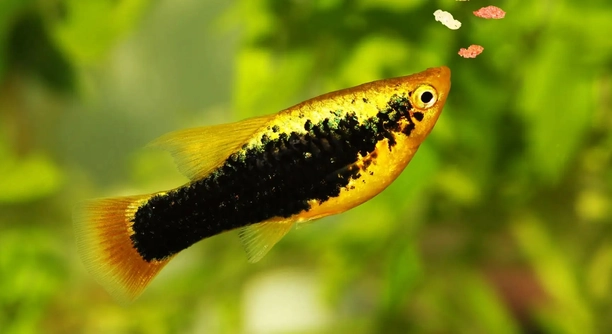
Platies are popular freshwater fish known for their peaceful nature and vibrant colors. Many aquarium owners enjoy keeping them in groups to create a lively and balanced tank environment. Understanding the right group size helps maintain their health and happiness.
The ideal size for platy groups is typically between five to ten fish. This range allows them to exhibit natural social behaviors while minimizing aggression and stress. Smaller groups may cause shy fish to hide, while larger groups can lead to overcrowding and water quality issues.
Knowing the best group size can improve your aquarium’s harmony and make caring for platies easier and more rewarding.
Why Group Size Matters for Platies
Platies are social fish that feel more comfortable when kept in groups. Having the right number of platies helps reduce stress and encourages natural behavior like swimming together and interacting. If there are too few fish, some may become shy or stressed, hiding most of the time. On the other hand, too many platies in one tank can lead to overcrowding. Overcrowding may cause competition for food, oxygen, and space, which harms their health. It can also increase waste in the water, making it harder to keep the tank clean and stable. The balance between group size and tank size is important. For smaller tanks, keeping fewer platies is better to avoid these issues. Larger tanks allow for bigger groups, letting the fish enjoy more space to swim and explore. Watching platies thrive and interact naturally makes caring for them more satisfying.
Finding the right group size helps maintain a peaceful tank environment and healthy platies overall.
Keeping the right number of platies supports their social needs without overloading the tank. This balance keeps water quality good and allows fish to live stress-free.
Tank Size and Platy Grouping
Tank size plays a key role in deciding how many platies you can keep. For a standard 10-gallon tank, a group of about five platies is suitable. This gives each fish enough room to swim freely and reduces the chance of fights. Larger tanks, like 20 gallons or more, can support bigger groups of eight to ten platies comfortably. It is important to consider other fish and decorations in the tank because they take up space and influence how many platies will fit. Overcrowding can lead to poor water quality, which stresses the fish and makes them more vulnerable to diseases. Regular water changes and good filtration help manage waste, but avoiding overcrowding from the start is best. Monitoring fish behavior can tell you if the group size works well. Signs like constant hiding, aggression, or gasping at the surface mean changes might be needed to keep the fish healthy.
Ideal Group Dynamics for Platies
Platies are peaceful but do best in groups where no single fish feels isolated or crowded. A balanced group size encourages natural interaction and reduces stress.
In smaller groups, platies may become timid and less active, hiding often. Larger groups offer more stimulation but risk overcrowding if the tank is too small. Watching how they swim and interact can help you adjust numbers. A good group size lets shy fish feel secure and confident, while avoiding aggression from too many competing individuals.
Platies also have a social hierarchy that develops best with a moderate group size. This hierarchy helps reduce fighting since each fish knows its place. Keeping groups too small or too large can upset this balance, causing stress or conflict. Making sure the tank is well-maintained and spacious enough supports peaceful group dynamics and healthier fish.
Feeding Considerations for Platy Groups
Feeding a group of platies requires care to ensure all fish get enough food without polluting the water. Overfeeding can quickly foul the tank, while underfeeding can cause stress and poor health.
Distributing food evenly helps reduce competition and aggression at feeding times. Smaller, frequent feedings work better than large meals. It also prevents leftover food from decaying and harming water quality. Watching how your platies eat can help you adjust feeding amounts and frequency to suit their needs.
Different platies may have varied appetites, so it’s important to monitor their behavior during feeding. Ensuring all fish get food without waste helps maintain a clean tank and keeps your group thriving. Proper feeding supports their energy and vibrant colors, making the aquarium more enjoyable to watch.
Signs of Stress in Platy Groups
Stress in platies often shows through changes in behavior or appearance. Watch for hiding, loss of color, or rapid breathing as signs of trouble.
If these signs appear, it may mean the group size is too big, the tank is overcrowded, or water quality is poor. Acting quickly helps protect their health.
Adjusting Group Size Over Time
Platy groups might need adjustments as fish grow or the tank changes. Adding or removing fish carefully keeps the group balanced and healthy.
Regularly observing your platies’ behavior and tank conditions helps decide if the group size still fits well. Flexibility is important for a stable aquarium.
Tank Maintenance and Group Size
Proper tank cleaning supports healthy platy groups. Regular water changes reduce waste build-up and keep the environment stable.
A clean tank helps prevent stress and disease, which can increase if too many fish share a small space. Maintenance is key to long-term success.
FAQ
How many platies can I keep in a 10-gallon tank?
A 10-gallon tank can comfortably house about five platies. This number gives each fish enough space to swim and reduces stress. Keeping more than five can lead to overcrowding, which impacts water quality and increases aggression among fish.
Can platies live alone?
Platies are social fish and generally do better in groups. Keeping a single platy may cause it to feel lonely or stressed. A group of at least three to five is recommended to support their natural social behavior.
What happens if my platy group is too large?
When the group is too large for the tank size, overcrowding occurs. This causes poor water quality due to increased waste and can lead to aggression or stress. Fish may compete for food and space, which lowers their overall health.
Is it okay to mix platies with other fish?
Platies are peaceful and usually get along well with other non-aggressive fish. However, you need to consider the tank size and the needs of all fish species to avoid overcrowding or competition for resources.
How often should I feed my platy group?
Feeding small amounts two to three times a day is best. This prevents leftover food from polluting the tank and ensures all fish get enough nutrition without overfeeding.
What should I do if I notice fighting in my platy group?
Some mild chasing is normal, but constant aggression can mean the group is too large or the tank is overcrowded. Consider reducing the number of fish or adding more hiding places to help reduce conflict.
Can I add new platies to an existing group?
Yes, but add new fish slowly and watch for signs of stress or aggression. Quarantining new platies before introduction helps prevent spreading illness. Adding one or two at a time allows the group to adjust.
How do I keep water quality good with multiple platies?
Regular water changes, proper filtration, and avoiding overfeeding are key. Testing water parameters like ammonia and nitrites helps catch problems early and keeps fish healthy.
Do platies need plants or decorations in the tank?
Yes, live plants or decorations provide hiding spots and reduce stress. They also help maintain water quality by absorbing nitrates. Having enough space around these items is important so the fish can swim freely.
What tank size is best for a large group of platies?
For groups larger than eight to ten platies, a tank of 20 gallons or more is ideal. This space supports their social needs and keeps the water stable. Smaller tanks make it harder to maintain balance as the group grows.
When keeping platies, the size of their group plays an important role in their health and happiness. Choosing the right number of fish depends mainly on the size of your tank and how well you can maintain it. A small group in a small tank will usually do better than a large group cramped into a tight space. Platies are social fish and feel safer and more active when they have companions. However, too many fish can lead to stress, poor water quality, and fighting. It is best to find a balance that allows your platies to swim freely and interact naturally.
Maintaining good water quality is key when keeping any group of fish, especially platies. Regular water changes and proper filtration help keep the environment clean and stable. Overfeeding or overcrowding can quickly cause water problems, which affect fish health. Watching your platies closely will help you notice signs of stress or illness early. These signs can include hiding, loss of color, or changes in swimming behavior. By adjusting the group size or improving tank care, you can help your platies stay healthy and active.
Planning ahead for how many platies your tank can hold will make caring for them easier and more enjoyable. It is better to start with a moderate group size and increase only if your tank size and filtration allow. Providing enough space, hiding spots, and good nutrition supports peaceful behavior and strong immune systems. Paying attention to their needs helps create a balanced and beautiful aquarium that you can enjoy watching every day. Proper group size is one of the simplest ways to ensure your platies thrive in their home.

Hello,
If you enjoy the content that we create, please consider saying a "Thank You!" by leaving a tip.
Every little bit helps us continue crafting quality advice that supports the health, happiness, and well-being of pets around the world, for pets of all shapes, sizes, and species.
We really appreciate the kindness and support that you show us!