
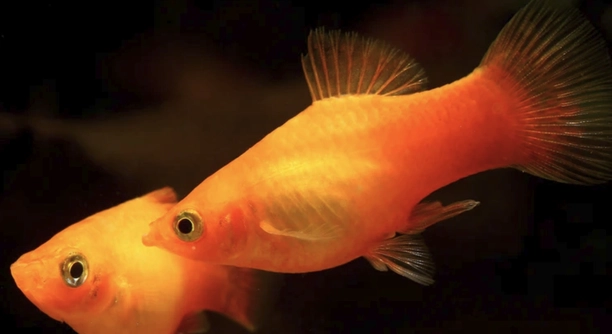
Introducing new platies to your aquarium requires careful steps to keep both the newcomers and existing fish safe. Many hobbyists want to ensure a smooth transition without stress or illness affecting their fish. This guide will help with practical tips for a healthy introduction.
The safest way to introduce new platies is by quarantining them separately, gradually acclimating their water conditions, and monitoring closely for any signs of disease before adding them to the main tank. Proper hygiene and slow integration reduce stress and illness risks.
Understanding the right process can protect your fish and create a peaceful community tank. These simple steps will make the introduction easier for both you and your platies.
Preparing Your Aquarium for New Platies
Before adding new platies, it’s important to prepare your tank properly. Start by cleaning the aquarium and removing any leftover food or debris that could cause water quality issues. Check your filter to make sure it is working well, as good filtration helps maintain a healthy environment. It’s also a good idea to test the water parameters such as pH, ammonia, nitrite, and nitrate levels to ensure they are within safe limits for platies. Adjust the temperature to match the new fish’s needs, usually between 70 and 78°F. Adding some live plants or hiding spots will give the new platies places to explore and feel secure. This preparation helps reduce stress and promotes better adaptation for both new and existing fish.
Taking these steps can prevent common problems like disease outbreaks or aggression when introducing new fish.
Properly preparing the tank creates a safe and comfortable setting that encourages healthy behavior and growth. It also helps the new platies settle in smoothly without upsetting the balance of your current aquarium community.
Quarantine and Acclimation
Quarantining new platies before introducing them to your main tank is essential.
Quarantine means keeping the new fish in a separate tank for at least two weeks. This allows you to observe their health and treat any illnesses before they mix with your other fish. During this period, watch for signs like unusual spots, lethargy, or changes in appetite. If everything looks good, slowly start acclimating them to the water conditions of your main tank.
Acclimation can be done by gradually mixing small amounts of the main tank water into the quarantine tank over several hours. This helps the fish adjust to differences in temperature, pH, and other factors. Rapid changes can shock the fish and cause stress or even death. After acclimation, transfer the platies gently using a net or container, avoiding adding quarantine water to the main tank. This process helps keep both your new and current fish healthy and safe.
Monitoring Behavior After Introduction
Watch the new platies closely once they are added to the main tank.
Observe how they interact with the existing fish, looking for signs of aggression or stress. Some chasing is normal, but constant bullying can harm the newcomers. Also, watch for changes in swimming patterns, appetite, or hiding more than usual, which might indicate stress or illness. Keep an eye on water quality too, as adding new fish can affect the balance. Frequent testing during the first few days helps catch any problems early.
Adjust the environment if needed by adding more plants or hiding spots to reduce stress. If aggression becomes a serious issue, separating the fish temporarily may be necessary. Monitoring behavior ensures a healthier, peaceful tank where all your platies can thrive.
Feeding and Nutrition
Feed your platies a balanced diet to support their health after introduction.
Offer a variety of foods like high-quality flakes, frozen or live brine shrimp, and vegetable-based flakes or pellets. Platies are omnivores, so including plant matter in their diet is important. Feed small amounts two to three times a day, only what they can consume in a few minutes to avoid overfeeding. Overfeeding can pollute the water and cause health problems.
Good nutrition strengthens the immune system, helping the new platies adapt better and resist diseases. Watch their eating habits and adjust portions as needed. A well-fed fish is less stressed and more likely to integrate smoothly into your aquarium community.
Maintaining Water Quality
Keep the water clean to support your platies’ health.
Regular water changes and filter maintenance help remove waste and toxins that build up over time.
Test the water weekly for ammonia, nitrite, nitrate, and pH levels. Maintaining stable conditions reduces stress and prevents illness in both new and existing fish.
Avoiding Overcrowding
Overcrowding causes stress, aggression, and poor water quality.
Make sure your tank size matches the number of platies you keep. A good rule is one inch of fish per gallon of water. Provide enough space and hiding spots to reduce competition and allow peaceful coexistence. This simple measure keeps your tank balanced and your fish comfortable.
Watching for Signs of Illness
Early detection is key to treating sick platies.
Look for unusual spots, frayed fins, difficulty swimming, or loss of appetite. Acting quickly can prevent the spread of disease and save your fish.
FAQ
How long should I quarantine new platies before introducing them to the main tank?
Quarantining new platies for at least two weeks is recommended. This period allows you to observe their health and catch any signs of disease before mixing them with your current fish. It also helps prevent spreading infections that could harm your entire aquarium.
What is the best way to acclimate platies to a new tank?
Acclimate platies by slowly mixing the main tank water into their quarantine tank over several hours. This gradual change helps them adjust to differences in temperature, pH, and water chemistry. Avoid sudden changes, as these can shock the fish and cause stress or illness.
Can I introduce multiple platies at once?
Yes, but only if your tank is large enough and you have quarantined all new fish properly. Adding several platies at the same time can reduce aggression because the existing fish won’t single out any one newcomer. Still, monitor behavior closely after introduction.
How do I know if my platies are stressed after introduction?
Signs of stress include hiding constantly, loss of appetite, erratic swimming, or staying at the surface or bottom of the tank. Stress weakens their immune system, making them more vulnerable to disease. Improving hiding places and maintaining stable water conditions helps reduce stress.
What should I do if my new platies are being bullied?
If aggression is severe, separate the new platies temporarily using a divider or a separate tank. Adding more plants or decorations to break line of sight can reduce fighting. Sometimes rearranging the tank layout helps reset territorial behavior.
Is it necessary to treat new platies with medication before introduction?
It’s not always necessary but can be helpful if you suspect parasites or infections. A preventive treatment during quarantine can reduce risk, especially if you bought fish from a store where illness is common. Consult a vet or aquarium expert for safe treatment options.
How often should I feed my platies after introducing them?
Feed small amounts two to three times daily, only what they can finish in a few minutes. Overfeeding leads to poor water quality and health problems. A balanced diet including flakes, frozen foods, and plant matter supports their immune system during adjustment.
Can platies live with other types of fish?
Platies are peaceful and generally get along with other non-aggressive community fish like guppies, mollies, and tetras. Avoid keeping them with large or aggressive species that may bully or eat them.
What water parameters are best for platies?
Platies prefer temperatures between 70°F and 78°F, a pH of 7.0 to 8.2, and moderate hardness. Maintaining stable water conditions is more important than hitting exact numbers. Frequent testing and gradual changes help keep them healthy.
How do I prevent diseases when adding new platies?
Quarantine new fish, maintain good water quality, and avoid overcrowding. Watch for signs of illness and treat promptly if needed. Clean equipment regularly and avoid sharing nets or containers between tanks to reduce cross-contamination risks.
Final Thoughts
Introducing new platies to your aquarium takes some care and attention, but it doesn’t have to be complicated. The key is to prepare your tank well, quarantine the new fish, and introduce them slowly. These steps help reduce stress and keep both new and existing fish healthy. Stress and illness often happen when fish face sudden changes or poor water conditions. Taking time to check water quality, temperature, and tank cleanliness before adding new platies makes a big difference. This careful approach helps create a balanced, peaceful environment for all your fish.
Watching your platies closely after introduction is just as important as preparing the tank. Notice how they behave and look for any signs of stress or illness. It is normal for fish to explore and adjust, but if you see signs like hiding, loss of appetite, or aggression, you may need to make changes. Adding plants or decorations can help reduce fighting and give fish places to hide. Keeping the water clean with regular changes and monitoring also supports their health. Remember, fish can’t tell us when they don’t feel well, so your attention is important to catch problems early.
Feeding your platies the right diet and amount is another key factor for their well-being. A balanced diet that includes both plant-based and protein foods helps keep them strong. Avoid overfeeding because leftover food can pollute the water, leading to poor water quality and health issues. Feeding smaller amounts more often allows fish to eat what they need without waste. Overall, patience and good care go a long way. Following these steps will help your new platies settle in comfortably, stay healthy, and thrive in your aquarium. Taking the time to do it right is rewarding and helps you enjoy a beautiful, lively tank for a long time.

Hello,
If you enjoy the content that we create, please consider saying a "Thank You!" by leaving a tip.
Every little bit helps us continue crafting quality advice that supports the health, happiness, and well-being of pets around the world, for pets of all shapes, sizes, and species.
We really appreciate the kindness and support that you show us!