
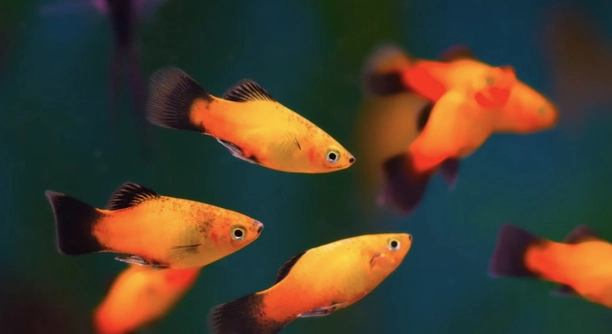
Are your platies swimming quietly at night, or are they more active during the day? Many fish owners want to understand when their platies are most lively and how their daily habits work. Knowing this helps create a better tank environment.
Platies are primarily diurnal fish, meaning they are most active during daylight hours. Their activity typically decreases at night when they rest or sleep. This pattern aligns with their natural behavior in the wild and is important for maintaining their health in captivity.
Learning about their activity patterns helps you care for platies more effectively and enjoy watching their natural behaviors throughout the day.
When Are Platies Most Active?
Platies tend to be most active during the daytime, especially in the morning and late afternoon. In a well-lit aquarium, you’ll notice them swimming around, exploring plants, and interacting with other fish. Their activity usually slows down as evening approaches. At night, platies rest near plants or decorations, often staying still. This daily rhythm is natural and reflects their behavior in the wild, where they avoid predators by being less active when it’s dark. Feeding times can also influence activity; platies tend to be more alert and energetic around feeding. If their tank lighting mimics a natural day-night cycle, their behavior will be more predictable. Keeping a consistent schedule for feeding and lighting helps maintain their regular activity. Observing these patterns allows you to better understand your fish’s health and comfort in their environment.
Their activity level depends on light exposure and feeding routines, which regulate when they swim actively or rest.
Watching your platies adjust to your tank’s light schedule can be rewarding. You might notice them become more lively with regular feeding times or calmer when the lights dim, showing they are comfortable. This balance is key to their well-being.
How to Create a Suitable Environment for Platies
Platies need a stable environment to thrive and maintain their natural activity patterns. A balanced light schedule of about 10 to 12 hours a day works best to simulate daylight. Too much light can stress them, while too little can reduce their activity. Using a timer for the aquarium light helps keep this consistent. Besides lighting, water temperature also influences activity; platies prefer temperatures between 72°F and 78°F. Clean water and good filtration contribute to their health, so regular tank maintenance is important. Adding live plants provides hiding spots where platies can rest and feel safe, encouraging natural behavior. A peaceful tank without aggressive fish will also help them stay active and stress-free. Creating this environment allows platies to follow their natural rhythms, promoting a longer, healthier life.
Proper lighting and temperature control are essential for maintaining platies’ natural activity and comfort in the aquarium.
By providing steady conditions and a calm space, you support your platies’ daily habits. Consistent light and temperature, clean water, and plants all work together to keep them active and healthy.
How Lighting Affects Platies’ Activity
Platies rely heavily on light to regulate their daily behavior. Bright light encourages them to swim actively and search for food. Dim or no light signals rest time, helping them conserve energy overnight.
Proper lighting mimics natural day and night cycles, which supports healthy activity patterns in platies. If the tank is too bright for too long, platies can become stressed, leading to erratic swimming or hiding. On the other hand, insufficient light makes them less active and may impact feeding habits. Using a timer to create consistent light periods helps maintain a regular routine. This routine allows platies to stay healthy and exhibit their natural behaviors without confusion.
Adjusting light gradually during dawn and dusk periods can also help platies transition between activity and rest smoothly. Sudden changes in lighting might startle them, causing stress. A stable light schedule contributes to better tank harmony overall, making your platies more comfortable and lively.
Feeding Times and Their Impact on Activity
Platies often show increased activity around feeding times, becoming more alert and energetic. Regular feeding schedules help them develop predictable daily habits. Irregular feeding can confuse platies, causing stress and reduced activity.
Feeding small amounts multiple times a day keeps platies active and healthy. Overfeeding can lead to water quality issues, which negatively affect their behavior and well-being. It’s best to feed amounts they can consume within a few minutes to avoid leftovers. Watching your platies during feeding can give clues about their health and mood. If they eagerly swim to the food, they are likely well.
Consistency in feeding not only maintains activity but also strengthens the bond between you and your fish. They learn to recognize feeding times and respond positively, making aquarium care more enjoyable.
Nighttime Behavior of Platies
At night, platies become much less active, often resting near plants or decorations. Their movements slow down significantly as they prepare for sleep.
Though they don’t fully sleep like mammals, platies enter a restful state with reduced responsiveness. This quiet time is essential for their health and recovery.
Signs of Stress That Affect Activity
Stress can make platies either unusually restless or overly lethargic. Common causes include poor water quality, overcrowding, and sudden changes in environment.
Monitoring their behavior closely helps catch stress early. Healthy platies swim actively during the day and rest calmly at night.
Tips for Encouraging Healthy Activity
Keep the tank clean, maintain stable water conditions, and provide plenty of hiding spots. These factors support normal activity levels in platies.
FAQ
Are platies active at night?
Platies are not active at night. They are diurnal fish, which means they are most active during the day and rest when it gets dark. At night, they slow down and often stay still near plants or decorations. This resting period is important for their health.
How can I tell if my platies are stressed?
Signs of stress in platies include hiding more than usual, erratic swimming, loss of appetite, and faded colors. Stress can come from poor water quality, sudden changes in the tank, overcrowding, or aggressive tank mates. Keeping a clean tank and stable environment helps reduce stress.
What is the best lighting schedule for platies?
A lighting schedule of 10 to 12 hours a day is ideal for platies. This mimics their natural day-night cycle and helps keep their activity regular. Using a timer to turn lights on and off at the same time daily creates a stable routine for them.
Can feeding times affect platies’ activity?
Yes, platies tend to be more active around feeding times. Feeding them small amounts two to three times a day helps keep them alert and engaged. Avoid overfeeding, as leftover food can harm water quality and stress the fish.
Do platies need hiding spots to feel safe?
Yes, providing live plants or decorations where platies can hide helps them feel secure. Hiding spots reduce stress and encourage natural behaviors. When they feel safe, they are more active and healthier.
Is it normal for platies to rest during the day?
Platies usually rest at night but may take short breaks during the day. Resting is normal as long as they swim actively most of the time. If they seem inactive for long periods or hide constantly, it could be a sign of illness or stress.
What water temperature keeps platies most active?
Platies are most comfortable and active in water between 72°F and 78°F (22°C to 26°C). Temperatures outside this range can make them less active or stressed. Using a reliable heater and thermometer helps maintain stable temperatures.
How does tank size affect platies’ activity?
A spacious tank allows platies to swim freely and stay active. Overcrowding causes stress and reduces activity. A minimum of 10 gallons per small group is recommended. More space means healthier and happier fish.
Can platies recognize feeding times?
Platies can learn to recognize feeding times, especially with a consistent schedule. They become more alert and swim eagerly when food is about to be given. This behavior shows they adapt well to routine.
Why do platies hide a lot during the day?
Excessive hiding can indicate stress, illness, or poor tank conditions. It might also mean they feel threatened by aggressive fish. Checking water quality and tank mates is important if hiding increases significantly.
Do platies sleep like humans?
Platies don’t sleep like humans but enter a restful state where they reduce movement and responsiveness. This rest period helps them recover energy and stay healthy.
How does water quality affect platies’ activity?
Poor water quality stresses platies and lowers their activity. High ammonia or nitrite levels, low oxygen, or dirty water can make them lethargic or hide more. Regular water changes and filtration keep the tank clean and fish active.
Are platies more active with other fish around?
Platies are social fish and usually become more active when kept in groups. However, aggressive tank mates can stress them and reduce activity. Choosing peaceful companions helps maintain their lively behavior.
What should I do if my platies stop moving?
If platies suddenly stop moving or hide all day, check water conditions first. Poor water quality or illness could be the cause. If everything is fine, observe for other symptoms and consider consulting a vet or experienced aquarist.
Can platies get used to irregular lighting?
Platies can adapt to some irregular lighting but may show signs of stress or irregular activity patterns. A consistent light schedule is best to support their natural rhythms and overall health.
Platies are lively fish that show clear patterns in their daily activity. They are most active during the day and rest at night, following a natural rhythm influenced by light and feeding times. Understanding these patterns helps create a comfortable environment for them, which is important for their health and happiness. When their tank lighting and feeding schedule match their natural habits, platies tend to be more energetic and display normal behaviors. This makes watching them much more enjoyable.
Providing a stable and clean environment is key to keeping platies active and stress-free. Proper water temperature, good filtration, and regular maintenance play important roles in their well-being. Adding plants or decorations for hiding spots gives platies a sense of security, which can improve their activity levels. Stress caused by poor conditions or aggressive tank mates can lead to hiding or reduced movement. Paying attention to these details can help avoid many common problems and keep platies healthy.
In summary, platies’ activity depends on lighting, feeding, water quality, and tank setup. They rest at night and swim actively during the day, showing natural behaviors when conditions are right. Keeping a consistent routine and a peaceful environment helps platies thrive. Observing your fish regularly and adjusting their care when needed will support their long-term health. With proper care, platies can bring vibrant life and movement to any freshwater aquarium.

Hello,
If you enjoy the content that we create, please consider saying a "Thank You!" by leaving a tip.
Every little bit helps us continue crafting quality advice that supports the health, happiness, and well-being of pets around the world, for pets of all shapes, sizes, and species.
We really appreciate the kindness and support that you show us!