
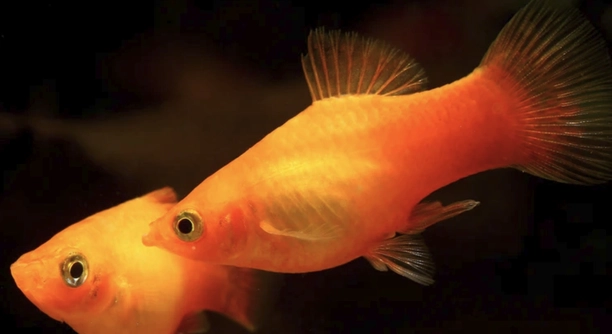
Do your platies seem sluggish lately, spending more time resting than swimming? This behavior can be worrying, especially when it happens without warning or obvious cause.
Platies may stop swimming due to poor water quality, stress, illness, low oxygen levels, or even a sudden change in temperature. Each of these factors can affect their ability to move comfortably and naturally.
Recognizing what’s causing this behavior can make a big difference in your platy’s overall well-being and help you maintain a healthier tank environment.
Poor Water Quality
When platies stop swimming, poor water quality is often the main reason. Ammonia, nitrite, and nitrate levels can rise quickly in a tank that isn’t cleaned regularly. These toxins can irritate a fish’s gills, making it harder for them to breathe or move around. Even small changes in pH or water hardness can make them feel uncomfortable. If the tank is overcrowded or the filter isn’t working well, waste builds up fast. Regular testing with a good water test kit is essential. Changing 25% of the water weekly, vacuuming the substrate, and cleaning the filter can make a big difference.
If your platy is hanging near the surface or bottom and seems tired, test your water right away. It may need an immediate water change and a filter check.
Keeping water clean helps platies stay active and comfortable. Once conditions improve, you may notice them swimming normally again within a day or two.
Stress from Tank Mates
Aggressive or overly active tank mates can cause your platy to feel stressed and hide more often, avoiding movement.
Platies are peaceful and do best with other calm species. When housed with nippy or fast-swimming fish, they may feel threatened. This can cause them to freeze, hide, or stop swimming altogether. Even another platy acting territorial can cause issues. Stress from other fish may lead to a lowered immune system, making them more prone to illness. If you notice signs of bullying like damaged fins, missing scales, or one fish always hiding, consider moving the aggressor. Rearranging decorations or adding more plants can also help reduce tension. Watching your fish during feeding time may give clues—if one isn’t coming forward, it could be due to stress.
A calm, well-planned tank with the right mix of fish can help your platies feel safe and active.
Illness or Infection
When a platy stops swimming, illness is often a cause. Common signs include clamped fins, pale color, or unusual spots. Infections can affect their energy, making them rest more and move less.
Internal parasites, bacterial infections, and swim bladder problems are all conditions that reduce a platy’s activity. Sometimes they may still eat but refuse to swim unless startled. Quarantining the fish in a separate tank can help you observe symptoms more clearly and begin treatment if needed. Medications from pet stores can treat most issues, but it’s important to follow the instructions carefully. Always remove activated carbon from the filter when medicating, or it won’t work. If your fish seems bloated, peas (boiled and shelled) may help ease mild constipation, which can also affect swimming.
Staying alert to early symptoms and acting quickly gives your platy the best chance at recovering and returning to normal swimming behavior.
Lack of Oxygen
Low oxygen in the tank can cause platies to rest more and avoid swimming. You may see them gasping at the surface or hanging near the filter output.
Warmer water holds less oxygen, so if your tank temperature rises above normal, your fish may struggle to breathe. Overcrowding also reduces available oxygen, especially if the tank is not well-aerated. Adding an air stone or adjusting your filter output to increase surface movement can help. Live plants can support oxygen levels, but avoid letting algae take over. Clean the tank regularly and avoid overfeeding, as rotting food lowers oxygen. Make sure your heater and filter are working correctly and that the water temperature stays between 72–78°F.
Watching how your platy behaves during the day can tell you a lot. If they’re always near the surface or inactive for long periods, improving oxygen flow may be the key to getting them active again.
Sudden Temperature Changes
Platies are sensitive to quick changes in water temperature. A drop or spike can cause them to slow down or stop swimming. Sudden shifts can shock their system and affect how they behave.
Always use a reliable aquarium heater and thermometer. Gradually adjust temperature during water changes to avoid stress.
Old Age
As platies get older, they naturally become less active. You might notice them resting more often or swimming slower. This is normal and doesn’t always mean something is wrong.
Older platies may not eat as quickly or chase food like younger ones. Their colors can fade slightly, and they may choose to stay in calmer parts of the tank. As long as they’re still eating and show no signs of illness, gentle care and a peaceful environment are all they need. Make sure their tank mates aren’t too energetic, and avoid overfeeding. Clean water, soft lighting, and a stress-free space can help older fish feel more comfortable in their daily routine.
Low Lighting or No Stimulation
Platies respond to their surroundings. If the tank is too dark or lacks variety, they may become less active or hide more. Add plants, gentle lighting, and simple decorations to keep them engaged.
FAQ
Why is my platy sitting at the bottom of the tank and not moving?
A platy resting at the bottom could be stressed, sick, or uncomfortable with the water conditions. Poor water quality, low oxygen, or sudden temperature changes often make them behave this way. It may also be a sign of internal issues, such as parasites or swim bladder problems. Watch for other symptoms like clamped fins, loss of appetite, or discoloration. If the fish continues resting in one spot for long periods, test the water first and then consider isolating it for closer observation. Acting early can help prevent the issue from getting worse.
Is it normal for platies to rest during the day?
Yes, short rest periods are normal, especially if the tank is calm and dimly lit. Platies often take small breaks between swimming. They may rest near plants or decorations where they feel safe. However, if the rest periods become too frequent or they avoid swimming altogether, something may be wrong. Keep an eye on feeding habits, social behavior, and overall energy levels. A healthy platy should be alert and show interest in food and movement around them.
How do I know if my platy is stressed?
Stress shows up in different ways. A stressed platy may hide often, stop eating, clamp its fins, or lose color. Some may show rapid gill movement or swim near the surface for long periods. Aggressive tank mates, poor water quality, and sudden changes in the environment are all common stress triggers. If you suspect stress, test the water, review the tank setup, and look for signs of bullying. Fixing the cause can often help them return to normal behavior fairly quickly.
Can swim bladder disease cause my platy to stop swimming?
Yes, swim bladder issues can make it difficult for a platy to swim or stay upright. Affected fish may float awkwardly, sink, or struggle to stay in one place. Overfeeding or a poor diet is often the cause, especially when they eat dry food that expands in their belly. Try feeding a boiled, shelled pea to help with digestion. If the issue doesn’t improve, the fish might need isolation and a better-balanced diet. Avoid feeding floating pellets while the fish recovers.
How often should I change my aquarium water to keep platies healthy?
Changing 25% of the water weekly helps maintain good water quality. Clean water prevents buildup of ammonia and nitrite, which can affect your platies’ health. Use a gravel vacuum to remove waste from the substrate and check the filter regularly to ensure it’s working well. Always treat tap water with a water conditioner before adding it to the tank. Regular maintenance helps keep your platies active and reduces the chances of them becoming sick or stressed.
Should I worry if only one of my platies is acting this way?
If just one fish is inactive while the others are behaving normally, it’s worth taking a closer look. That fish may be sick, stressed, or aging. Watch for visible symptoms like spots, swelling, or injuries. Observe whether it eats or interacts with the group. Sometimes fish act differently when being bullied or when not feeling well. Separating it into a quarantine tank can help you monitor it more closely and give it a calmer environment to recover.
What temperature is best for platies to stay active?
Platies do best in water temperatures between 72–78°F (22–25°C). If the water gets too cold, they slow down. If it gets too warm, they may become stressed or lose oxygen. Use a heater to keep the temperature stable, and check it daily with a reliable thermometer. Fluctuations can lead to health issues and low activity. Keeping the temperature steady helps them stay more active and less likely to develop problems.
Can lighting affect my platy’s swimming behavior?
Yes, lighting can influence how much your platy moves around. In low light, they may become less active or rest more often. Bright, harsh lighting can also stress them out. Aim for soft, natural lighting for 8–12 hours a day. A consistent light cycle helps regulate their activity and supports healthy behavior. You can also add plants or hiding spots to balance the lighting in the tank and make them feel secure.
Is it okay to keep platies alone?
Platies are social fish and prefer being with their own kind. A single platy may feel lonely and become less active over time. Keeping them in small groups of three or more helps them stay happier and more energetic. Avoid overcrowding, though—a 10-gallon tank is good for three to four platies. When they feel safe and supported in a group, they’re more likely to swim freely and behave normally.
Final Thoughts
Watching your platy stop swimming can be confusing at first, especially if everything seemed fine the day before. But small changes in their environment or health can quickly affect how they behave. Things like dirty water, sudden changes in temperature, or even stress from tank mates can make your platy act differently. Sometimes, the reason is simple and easy to fix. Other times, it might take a bit more care and close watching to figure out what’s going on. Either way, it helps to stay calm and take one step at a time to get things back on track.
Platies are peaceful, hardy fish, but they still need stable conditions and attention. It’s easy to assume something serious is wrong right away, but often, the cause is something preventable. Keeping the water clean, feeding them the right amount, and choosing good tank mates are basic things that go a long way. It also helps to know what normal behavior looks like so you can spot changes early. A platy resting once in a while isn’t a problem, but if they’re always still, it’s worth checking. Even older age can explain less movement, and in those cases, giving them a stress-free space is enough.
Taking care of platies doesn’t have to be difficult, but it does require consistency. Routine water changes, regular tank checks, and observing their behavior all play a role in keeping them healthy. The more familiar you are with your fish and their habits, the easier it becomes to catch small problems before they grow into bigger ones. Every fish is different, and what affects one may not affect another in the same way. Being patient and responding with care makes a difference. Whether it’s adjusting the tank setup, improving water quality, or treating an illness, each change helps bring your platy closer to feeling normal again.

Hello,
If you enjoy the content that we create, please consider saying a "Thank You!" by leaving a tip.
Every little bit helps us continue crafting quality advice that supports the health, happiness, and well-being of pets around the world, for pets of all shapes, sizes, and species.
We really appreciate the kindness and support that you show us!