
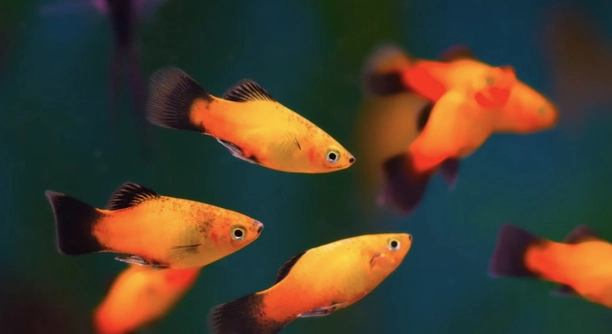
Many fish owners want to provide the best environment for their platies. Tap water is often the easiest option, but there are concerns about its safety for these delicate fish. Understanding the factors involved is important.
Platies can survive in tap water only if it is properly treated and conditioned. Tap water often contains chlorine, chloramine, and other chemicals that are harmful to fish. Using water conditioners to neutralize these substances ensures a safe habitat for platies.
Knowing how to prepare tap water correctly helps maintain healthy platies. The following information explains essential steps for safe water use.
Why Tap Water Needs Conditioning for Platies
Tap water usually contains chlorine and chloramine, chemicals added to keep it safe for human use. Unfortunately, these chemicals are toxic to platies and many other fish species. Without proper treatment, tap water can cause stress, damage to gills, or even death. It’s essential to use a water conditioner that neutralizes these chemicals before adding water to the tank. Besides chemicals, tap water hardness and pH levels may vary depending on your location. Platies prefer slightly hard water with a neutral to slightly alkaline pH. Testing the water parameters and adjusting them if needed will help create a more stable environment. Using a water conditioner also helps remove heavy metals that may be present in tap water, which can harm fish over time. Overall, preparing tap water properly supports the health and longevity of platies in your aquarium.
Proper conditioning is the key step to making tap water safe and comfortable for platies to live in.
Regular testing and treating of tap water keeps the aquarium environment balanced and healthy for the fish.
Signs Tap Water Is Harming Your Platies
Cloudy water, sluggish behavior, and loss of appetite can indicate issues with tap water quality.
If platies show these symptoms, it is important to check water parameters and treatment practices immediately.
Fish stress caused by poor water quality reduces their immune system’s effectiveness. This makes them vulnerable to diseases. Chlorine or chloramine poisoning often results in damaged gills, making it harder for fish to breathe. Sometimes, harmful bacteria can grow when water conditions are off, leading to infections. Observing your platies closely helps catch problems early. You can use aquarium test kits to measure chlorine, pH, ammonia, and nitrite levels. Adjustments should be made as necessary to avoid prolonged exposure to unsafe water. Performing regular partial water changes with properly treated water also helps maintain stable and healthy conditions. Keeping your tap water free from harmful chemicals and balanced in hardness and pH creates a safer environment for platies to thrive.
How to Safely Prepare Tap Water for Platies
Use a water conditioner designed to remove chlorine and chloramine before adding tap water to the tank.
Measuring water parameters such as pH and hardness is important. Platies thrive in water with a pH between 7.0 and 8.0 and moderate hardness. If needed, adjust these using aquarium-safe products. Let the conditioned water sit for at least 24 hours before adding fish. This helps stabilize the temperature and allows any residual chemicals to dissipate.
Regular partial water changes are necessary to maintain water quality. Always treat new tap water before adding it to the aquarium. Avoid using untreated tap water directly, as it risks harming your platies. Testing water frequently ensures conditions stay safe. Monitoring your fish’s behavior during water changes helps identify any water-related stress early on.
Alternative Water Sources for Platies
Bottled spring water and reverse osmosis (RO) water can be used if tap water is unsuitable.
Spring water usually has stable pH and hardness levels but may lack some minerals. RO water is very pure and needs mineral supplementation before use. Both require testing and adjustment before adding platies. Using these alternatives can provide better control over water quality but may be less convenient and more expensive than tap water. Understanding the needs of your platies helps decide the best water source. Regular maintenance and monitoring remain important regardless of the water type chosen.
Common Mistakes When Using Tap Water for Platies
Not treating tap water before adding it to the tank is a frequent error.
Another common mistake is failing to test water parameters regularly, which can lead to unhealthy conditions for platies.
How Temperature and Tap Water Affect Platies
Platies prefer water temperatures between 72°F and 78°F. Sudden temperature changes from adding new tap water can stress the fish. Always match the temperature of conditioned tap water to the tank water before adding it. Using a heater or allowing water to sit helps stabilize temperature. Temperature fluctuations combined with untreated tap water chemicals increase health risks. Consistency in water conditions supports platies’ immune systems and promotes better behavior and growth.
Final Water Check Before Adding to the Tank
Test water parameters including pH, chlorine, and temperature before introducing it to your platies.
FAQ
Can platies live in untreated tap water?
Platies cannot safely live in untreated tap water because it contains chlorine and chloramine, which are harmful to their gills and overall health. Untreated water also may have heavy metals and unstable pH, which can cause stress or even death. Always treat tap water with a conditioner before adding it to the tank.
How do I treat tap water for platies?
Use a water conditioner specifically designed to neutralize chlorine, chloramine, and heavy metals. After adding the conditioner, let the water sit for at least 24 hours to stabilize temperature and allow chemicals to dissipate. Regularly test pH and hardness to ensure the water meets platies’ needs.
Is tap water pH suitable for platies?
Tap water pH varies by location, but platies prefer a pH between 7.0 and 8.0. Test your tap water regularly. If it falls outside this range, use aquarium-safe pH adjusters. Stable pH is essential because rapid changes can stress or harm your fish.
Can I use bottled spring water instead of tap water?
Bottled spring water can be a good alternative if tap water is too hard or too soft. It generally has stable pH and hardness but may lack some minerals essential for fish health. Testing and adjusting water parameters is still necessary before adding platies.
How often should I change the water in my platy tank?
Perform regular partial water changes every 1-2 weeks, replacing 20-30% of the tank water. Always treat new tap water with conditioner before adding it. Consistent water changes help maintain stable water quality and reduce harmful toxins.
What signs show my platies are affected by poor water quality?
Look for lethargy, loss of appetite, gasping at the surface, faded colors, or abnormal swimming patterns. These symptoms often indicate stress from poor water quality or chemical exposure. Testing and adjusting water parameters is the first step to fixing these issues.
Does temperature affect how platies react to tap water?
Yes, platies are sensitive to temperature fluctuations. Adding new water with a different temperature can increase stress, especially if combined with untreated chemicals. Always match new water temperature closely to the tank before adding it.
Can I use a filter to make tap water safe for platies?
Filters help remove some impurities but usually do not remove chlorine or chloramine. You still need to treat tap water with a conditioner before using it. Regular filter maintenance ensures it works effectively and keeps water clean.
What happens if I accidentally add untreated tap water?
Untreated tap water can cause gill damage and stress, leading to illness or death. If this happens, perform an immediate partial water change with treated water and monitor your platies closely. Adding extra aeration can also help stressed fish recover.
Are there any additives to improve tap water for platies?
Yes, besides conditioners, you can use mineral supplements if your water is very soft to provide essential minerals. Some aquarists also add aquarium salt in small amounts to support fish health, but use it carefully and according to guidelines.
Is it safe to use tap water in new tanks without fish?
Tap water should still be treated before setting up a tank. Chemicals in untreated water can harm beneficial bacteria needed for the nitrogen cycle. Properly conditioned water helps establish a healthy environment for platies and other fish.
How do I test tap water for platies?
Use aquarium water test kits to check chlorine, chloramine, pH, hardness, ammonia, nitrites, and nitrates. Testing kits are affordable and easy to use. Regular testing helps catch water quality issues before they affect your fish.
Can tap water quality change over time?
Yes, municipal water quality can vary seasonally or after maintenance work. This means tap water that was once safe may change. Regular testing before water changes is essential to keep platies healthy.
Are there any natural ways to improve tap water?
Using natural plants and substrates can help stabilize water parameters. Some plants absorb nitrates and improve oxygen levels. However, natural methods do not replace the need for proper water conditioning and testing.
How do I acclimate platies to tap water conditions?
When introducing new platies, float their bag in the tank to equalize temperature. Gradually add small amounts of conditioned tank water to the bag over 30-60 minutes. This reduces shock from differences in water chemistry and temperature.
What’s the best way to store conditioned tap water?
Store treated water in a clean container away from direct sunlight. Use it within 24-48 hours to avoid chemical changes. Always re-test before using stored water, especially if it has been sitting for a long time.
Proper water quality is essential for keeping platies healthy and happy. Tap water can be used as a water source for your aquarium, but it must be treated before adding it to the tank. Untreated tap water often contains chlorine, chloramine, and other substances that can harm your fish. Using a reliable water conditioner removes these chemicals and makes the water safe. Testing water parameters such as pH and hardness also plays an important role. Platies prefer a neutral to slightly alkaline pH and moderate hardness. Monitoring these factors helps create a stable environment where your fish can thrive.
It is important to pay attention to how your platies behave and look. Signs like lethargy, loss of appetite, or abnormal swimming often point to problems with water quality. When tap water is not treated correctly, it can cause stress and make fish more vulnerable to disease. Regular partial water changes with properly treated water keep harmful toxins low and improve the overall health of your aquarium. Maintaining a consistent temperature within the ideal range of 72°F to 78°F also reduces stress. Matching the temperature of new water before adding it is a simple but effective step.
There are alternatives to tap water if you find your local supply unsuitable. Bottled spring water or reverse osmosis (RO) water may provide more control over water chemistry, but they require testing and adjustment before use. Regardless of the water source, good aquarium care includes regular testing, conditioning, and water changes. Following these practices ensures a safer home for your platies. By preparing tap water properly and watching your fish closely, you help them live longer, healthier lives in your aquarium.

Hello,
If you enjoy the content that we create, please consider saying a "Thank You!" by leaving a tip.
Every little bit helps us continue crafting quality advice that supports the health, happiness, and well-being of pets around the world, for pets of all shapes, sizes, and species.
We really appreciate the kindness and support that you show us!