
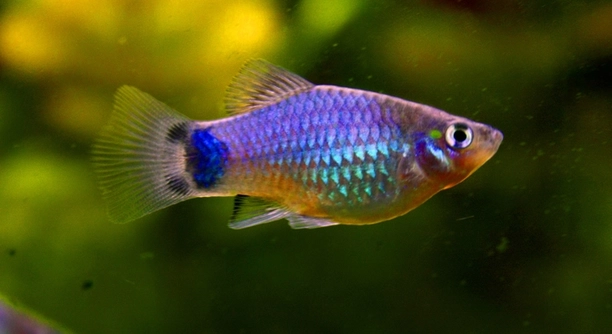
Platies are popular freshwater fish known for their vibrant colors and peaceful nature. Many aquarists enjoy keeping them because they adapt well to community tanks. Choosing compatible plants can enhance both the tank’s look and the health of platies.
Several easy-to-care-for plants thrive alongside platies due to their similar water requirements and growth habits. Plants like Java fern, Anubias, and Amazon sword provide shelter and improve water quality, creating a balanced environment that supports platies’ well-being and natural behavior.
Selecting the right plants helps maintain a healthy aquarium ecosystem. The following list highlights plants that blend well with platies and offer visual appeal.
Java Fern: A Low-Maintenance Choice
Java fern is a hardy plant that requires minimal care, making it ideal for platy tanks. It thrives in low to moderate light and can grow attached to rocks or driftwood. Its broad leaves provide hiding spots for platies, reducing their stress and encouraging natural behavior. This plant also helps improve water quality by absorbing excess nutrients, which can prevent algae growth. Java fern grows slowly but steadily, so it won’t quickly overcrowd the tank. It prefers slightly acidic to neutral water, which matches well with the conditions platies thrive in. Propagation is simple—new plants form on the tips of mature leaves and can be separated easily. Because Java fern does not need to be planted in substrate, it offers flexibility in tank decoration. It’s also resilient to changes in water parameters, helping maintain a stable environment for platies.
Java fern’s resilience and adaptability make it a practical option for beginners and experienced aquarists alike.
Adding Java fern to your tank enhances both aesthetics and the habitat for platies. Its natural structure encourages exploration and activity, which keeps your fish healthy and engaged. Platies will often swim through and rest among the leaves. This plant’s low light needs mean you don’t have to invest in special lighting equipment. It also requires no fertilization or CO2 injection, simplifying care. Java fern’s presence in the tank balances nutrient levels, helping to keep algae at bay. This reduces maintenance and keeps the tank looking clean. Overall, Java fern supports a natural, peaceful environment that complements the behavior and needs of platies without demanding much effort.
Anubias: Tough and Attractive
Anubias is another easy plant that pairs well with platies. It grows slowly and tolerates a range of water conditions.
Anubias has thick, dark green leaves that provide shade and shelter for platies. Its ability to grow on hard surfaces means it can be attached to rocks or driftwood, adding texture to your tank. The plant is resistant to most fish nibbling, so platies won’t damage it easily. Like Java fern, Anubias prefers low to moderate light and does well in similar pH and temperature ranges as platies. It requires minimal care and can survive with occasional trimming. Because it grows slowly, it will not outcompete other plants or take over the tank space. Anubias also helps maintain water quality by absorbing excess nutrients. With its robust nature and attractive appearance, it’s a reliable addition that enhances the tank’s overall balance and provides shelter for your fish.
Amazon Sword
Amazon sword plants grow well in platy tanks due to their size and hardiness. They need moderate light and nutrient-rich substrate to thrive. Their long leaves offer excellent hiding places and resting spots for platies.
The broad, sturdy leaves of Amazon swords provide natural shelter, which platies appreciate for reducing stress and feeling secure. These plants help oxygenate the water and absorb excess nutrients, improving tank health. Amazon swords require moderate care, including occasional fertilization and trimming. Their size makes them suitable for background planting, creating depth and a natural look in the aquarium. Platies often swim around the leaves, enjoying the cover they provide. This plant’s growth rate is steady, allowing it to maintain balance in the tank without overwhelming smaller species.
Overall, Amazon swords contribute to a stable, inviting environment. They support biological filtration and enhance tank aesthetics, making them a great choice for platy keepers wanting a lush, natural setup.
Hornwort
Hornwort is a fast-growing floating plant that adapts easily to platy tank conditions. It doesn’t require substrate and thrives in a wide range of water parameters.
This plant helps control algae by competing for nutrients and offers excellent cover for platies. Hornwort’s feathery stems create shaded areas where fish can hide and rest. It also absorbs nitrates and phosphates, contributing to cleaner water. Due to its rapid growth, regular trimming is necessary to prevent overcrowding. Hornwort is ideal for tanks where fast plant growth and water quality improvement are desired. It tolerates varying light levels but grows best with moderate lighting. Floating or anchored, it brings a natural, soft texture to the aquarium environment.
Hornwort’s adaptability and benefits make it a practical addition that supports platy health and tank cleanliness without demanding complex care routines.
Java Moss
Java moss is a versatile plant that attaches easily to surfaces. It provides excellent shelter for platies and their fry, offering protection from predators.
This moss thrives in low light and requires minimal care. It helps maintain water quality by trapping debris and absorbing nutrients.
Water Wisteria
Water wisteria grows quickly and has delicate, feathery leaves that add texture to the tank. It requires moderate lighting and nutrient-rich water to thrive. This plant helps reduce nitrate levels and offers hiding spaces for platies, making it a beneficial addition to any community aquarium.
Cabomba
Cabomba features fine, fan-shaped leaves that create a soft, natural look. It grows best in moderate to high light and benefits from occasional fertilization. This plant provides excellent cover and resting spots for platies, helping them feel secure in their environment. It also helps absorb excess nutrients, supporting water quality.
Cryptocoryne
Cryptocoryne plants are slow-growing and easy to care for. They adapt well to low light and provide dense foliage that platies use for shelter. Their resilience and low maintenance make them suitable for almost any freshwater tank setup.
What are the best plants for platies?
The best plants for platies include Java fern, Anubias, Amazon sword, Hornwort, Java moss, Water wisteria, Cabomba, and Cryptocoryne. These plants match platies’ water requirements and provide shelter, improving the fish’s comfort and tank environment. They are easy to care for and help maintain water quality.
How do plants benefit platies?
Plants offer shelter and hiding spots, which reduce stress for platies. They also improve water quality by absorbing excess nutrients, helping prevent algae growth. Additionally, some plants release oxygen, supporting a healthy environment. These benefits create a more natural habitat for platies, encouraging natural behavior and better health.
Can platies eat aquarium plants?
Platies are generally peaceful and do not heavily eat plants. However, they may nibble occasionally on softer leaves like those of Hornwort or Water wisteria. Hardy plants like Java fern and Anubias are less likely to be damaged. Providing a variety of plants helps keep nibbling minimal and maintains plant health.
What light conditions do platy-friendly plants need?
Most plants suitable for platies thrive in low to moderate light. Java fern, Anubias, and Cryptocoryne do well in low light, while Amazon sword and Cabomba prefer moderate to higher lighting. It is important to match plant light needs with your tank setup to ensure healthy growth.
How often should I trim plants in a platy tank?
Trimming depends on the plant’s growth rate. Fast growers like Hornwort and Water wisteria may need trimming every few weeks to prevent overcrowding. Slow growers like Java fern and Anubias require less frequent trimming. Regular maintenance helps keep the tank balanced and prevents plants from taking over.
Do plants help with tank water quality for platies?
Yes, plants absorb nitrates, phosphates, and other waste products, reducing harmful buildup in the water. This natural filtration supports platies’ health and lowers the need for frequent water changes. Healthy plants also reduce algae growth by competing for nutrients.
Can platies live without plants?
Platies can survive without plants, but a planted tank provides a better environment. Plants reduce stress by offering hiding places and improve water quality. A planted tank more closely resembles their natural habitat, promoting longer life and active behavior.
What substrate is best for platy plants?
A nutrient-rich substrate works best for rooted plants like Amazon sword and Water wisteria. For plants like Java fern and Anubias that attach to rocks or driftwood, substrate type is less important. Sand or gravel substrates are commonly used and can support most platy-friendly plants with added fertilizers.
Are floating plants good for platies?
Floating plants like Hornwort are beneficial because they provide shade and cover. They also help absorb excess nutrients. Floating plants can reduce light intensity, which helps control algae growth. Just be sure to trim them regularly to prevent blocking too much light.
How do I start planting in a platy aquarium?
Begin by selecting hardy plants that match your tank conditions. Plant rooted species in nutrient-rich substrate, and attach others to decorations. Ensure proper lighting and water parameters. Introduce plants before or at the same time as platies to allow plants to establish and reduce stress for the fish. Regular care, including trimming and cleaning, keeps the tank healthy.
Can live plants help platy fry survival?
Yes, live plants offer hiding spots for platy fry, protecting them from adult fish and increasing survival rates. Dense foliage from plants like Java moss and Hornwort provides safe areas. Plants also improve water quality, which benefits fry development.
What water parameters do platy plants prefer?
Most platy-friendly plants thrive in slightly acidic to neutral pH (6.5 to 7.5) and temperatures between 72°F and 78°F (22°C to 26°C). These conditions match platies’ needs, making it easier to maintain a stable and healthy tank environment.
Do plants affect platy behavior?
Plants create a more natural setting, encouraging platies to explore and interact. Hiding spots reduce stress and aggression. Plants can stimulate breeding behavior by providing secure places for laying eggs and fry to hide. Overall, plants positively influence platy activity and well-being.
Is fertilization necessary for platy plants?
Fertilization helps nutrient-demanding plants like Amazon sword and Cabomba grow well. Low-maintenance plants like Java fern and Anubias usually don’t require fertilization. Using liquid fertilizers or root tabs supports plant health without harming platies when used correctly.
How do I prevent algae growth in a planted platy tank?
Controlling light duration, avoiding overfeeding, and maintaining proper nutrient balance help prevent algae. Healthy plants compete with algae for nutrients, reducing its growth. Regular water changes and cleaning also keep algae under control. Introducing algae-eating species can support algae management but should be compatible with platies.
Can platies tolerate different types of plants?
Platies adapt well to a variety of plants, as long as water conditions and light meet their needs. Mixing slow and fast growers offers a balanced tank. Choosing plants with varying shapes and sizes creates a diverse habitat that benefits platy health and appearance.
Choosing the right plants for a platy tank can make a big difference in the health and happiness of your fish. Easy-care plants like Java fern, Anubias, and Amazon sword offer shelter and improve water quality without needing much attention. These plants fit well with platies’ water and light requirements, creating a natural and balanced environment. By including plants in the tank, you help reduce stress for platies, making them more active and vibrant. A well-planted aquarium also looks more appealing, bringing a touch of nature into your home.
Maintaining plants in a platy tank does not have to be difficult. Most of the plants suited for platies grow slowly or moderately, meaning they won’t quickly overcrowd the tank. They need basic care like occasional trimming and proper lighting, but they do not demand complex treatments like CO2 injections or heavy fertilization. This makes them perfect for both beginners and experienced aquarists who want to enjoy a healthy tank with minimal hassle. Keeping plants healthy also supports better water conditions by absorbing harmful nutrients and preventing algae growth.
Overall, a planted tank creates a more stable environment that benefits both fish and plants. When platies have access to plants that provide hiding places, they feel secure and less stressed, which supports their natural behavior and breeding. Plants also help maintain clean water, which reduces the frequency of water changes and keeps the tank easier to manage. By choosing the right easy plants and providing simple care, you can build a thriving aquarium that supports your platies’ well-being while adding beauty and life to your space.

Hello,
If you enjoy the content that we create, please consider saying a "Thank You!" by leaving a tip.
Every little bit helps us continue crafting quality advice that supports the health, happiness, and well-being of pets around the world, for pets of all shapes, sizes, and species.
We really appreciate the kindness and support that you show us!