
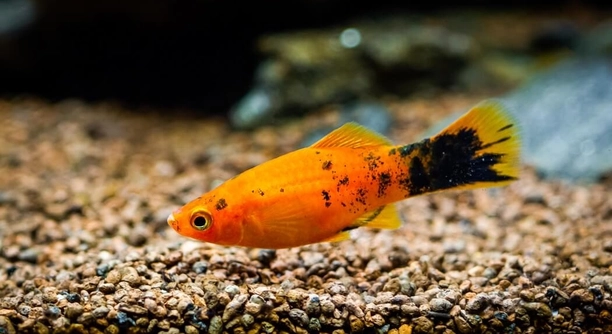
Platies are popular freshwater fish often kept in home aquariums. Many fishkeepers notice interesting behaviors among these colorful pets, especially around their young. Understanding their habits can help provide better care for both adults and fry.
Platies do sometimes eat their own fry. This behavior is mainly driven by instinct and survival. Adult platies may eat fry to reduce competition for resources or when stressed, which is common in confined aquarium environments.
Knowing why this happens can help you create a safer space for your young fish. The article will explain the reasons behind this behavior and suggest ways to minimize it.
Why Do Platies Eat Their Fry?
Platies eating their fry is a natural behavior seen in many fish species. This happens because adult platies see the young as competition for food or space. In an aquarium, resources are limited, so adults try to protect their survival by reducing the number of fry. Stress also plays a big role. When tanks are overcrowded or conditions are poor, adult platies become more likely to eat their offspring. Sometimes, adults mistake the fry for food since fry are small and easy to catch. This behavior is instinctive rather than intentional cruelty. Understanding these factors helps in creating a better environment to reduce fry loss. Feeding adult platies well and providing plenty of hiding spots for fry can make a big difference in survival rates.
Platies eating their fry is mostly about survival and instinct. They don’t do it out of aggression but because of environmental pressures.
Proper tank management and nutrition can help reduce fry being eaten and increase their chances of growing up.
How to Protect Platy Fry in Your Aquarium
Creating safe spaces is the most effective way to protect fry. Adding plants or small decorations gives fry places to hide from adult fish. Using a breeding box or separate nursery tank can also keep fry safe until they grow bigger. Feeding adult platies enough food reduces their interest in hunting fry. Frequent water changes and maintaining good water quality lower stress levels for all fish. Avoid overcrowding by keeping the tank population balanced, which helps reduce competition and aggressive behaviors. Watching tank dynamics closely lets you intervene if adults show signs of eating fry. Providing a healthy, calm environment encourages natural behaviors without unnecessary losses. Taking these steps increases the chances of fry surviving and growing into healthy adult platies.
Separating fry or creating plenty of hiding spaces is key to keeping them safe. Feeding adults well lowers their drive to hunt fry.
By managing tank conditions carefully, you can watch your platies thrive and enjoy a thriving aquarium community.
When Does Fry Eating Usually Occur?
Fry eating happens mostly soon after the fry are born. Adult platies are more likely to eat them in the first few days when fry are smallest and easiest to catch. This period is the most critical for their survival in the tank.
In the first days, fry are very vulnerable because they cannot swim well or hide effectively. Adult platies may mistake fry for food or simply act on instinct to reduce future competition. If the tank is crowded or food is scarce, this behavior increases. Fry that manage to find shelter among plants or decorations have a better chance of survival. Keeping the tank calm and well-fed lowers the chances of fry being eaten during this time.
As fry grow and become stronger swimmers, they are less likely to be eaten. However, keeping hiding places and feeding adults well remain important to protect the young as they develop.
Feeding Platies to Prevent Fry Loss
Feeding adult platies a balanced diet regularly reduces their interest in eating fry. When adults are well-nourished, they feel less need to hunt their offspring. Offering a mix of flakes, pellets, and live or frozen foods ensures they get proper nutrients.
A consistent feeding schedule and enough food prevent hunger-driven aggression. Overfeeding should be avoided to keep water quality high, but adults should never feel hungry. Healthy adults are calmer and less likely to stress the tank by chasing fry.
Using small, frequent feedings helps maintain steady energy levels for adults and reduces stress. In turn, this supports a peaceful aquarium environment where fry have a better chance to grow safely.
Signs That Platies May Eat Their Fry
Adult platies showing increased aggression or chasing behavior can indicate they might eat fry. If fry disappear quickly after birth, it’s often a sign adults are eating them. Observing tank dynamics closely helps catch this early.
Fry hiding less or hiding places being disturbed often means adults are hunting. Adults spending more time near the bottom or plants may also signal increased fry predation.
Best Plants to Protect Fry
Dense, bushy plants like Java moss, hornwort, and water sprite provide excellent hiding spots for fry. These plants create natural cover, making it harder for adults to catch the young. Including these plants helps fry survive their most vulnerable days.
Using Breeding Traps or Nets
Breeding traps or nets are useful tools for separating fry from adults. They prevent adults from reaching the fry while allowing water flow. This simple device can significantly increase fry survival without needing a separate tank.
Tank Size and Fry Safety
A larger tank gives fry more space to hide and reduces adult stress. More room means less competition and fewer chances for adults to catch fry. A spacious tank supports a healthier environment for all fish.
FAQ
Do platies always eat their fry?
No, platies do not always eat their fry. While it is common behavior due to instinct and environmental stress, it does not happen all the time. Some adult platies coexist peacefully with their young, especially in well-managed tanks with plenty of hiding spots and good nutrition.
How can I stop adult platies from eating their fry?
The best way to prevent fry from being eaten is to provide plenty of hiding places using plants or decorations. Separating fry in a breeding box or a nursery tank also works well. Feeding adults regularly and maintaining good water quality lowers their hunting drive.
Is it safe to keep adult platies and fry together?
Keeping adult platies with fry in the same tank can be risky without precautions. Fry are vulnerable and can easily be eaten if adults are hungry or stressed. Using dense plants or breeding traps can help protect fry while allowing adults to remain in the tank.
Why do platies eat their fry only sometimes?
Platies eat their fry mostly due to instinct, stress, and environmental factors. If the tank is overcrowded, adults feel threatened or competition is high, they are more likely to eat fry. Well-fed, relaxed adults are less likely to show this behavior.
What are the signs that my fry are being eaten?
If you notice a sudden drop in fry numbers or see adults chasing small fish, fry are likely being eaten. Fry hiding less or disappearing soon after birth also indicates predation. Observing adult behavior closely helps identify if this is happening.
Can adult platies eat their own fry even if they are well-fed?
Yes, even well-fed platies can eat their fry. This behavior is instinctive and not only caused by hunger. Adults may eat fry to reduce competition or because they mistake fry for food. Providing hiding places reduces this risk.
How long are fry most at risk of being eaten?
Fry are most at risk during the first few days to weeks after birth. During this time, they are small, weak, and cannot hide well. As fry grow stronger and more agile, their chances of survival increase significantly.
What foods are best for feeding adult platies to prevent fry eating?
A balanced diet including high-quality flakes, pellets, and occasional live or frozen foods like brine shrimp or bloodworms works best. Feeding small amounts multiple times a day keeps adults satisfied and less likely to hunt fry.
Are there any tank setups that reduce fry loss?
Yes, tanks with plenty of plants, hiding spots, and moderate population sizes reduce fry loss. Using breeding traps or separate nursery tanks also helps. Maintaining clean water and low stress levels in the tank is important.
Is it normal for platies to eat fry from other fish species?
Platies can eat fry of other fish species if given the chance. Their instinct to eat small moving objects applies to any fry, not just their own. Keeping fry of different species separated helps protect them.
Can platy fry survive without hiding spots?
Without hiding spots, fry survival rates drop sharply. They are easy targets for adults and other tank inhabitants. Providing dense plants or decorations is essential for their safety and growth.
How often should I feed platies to reduce fry predation?
Feeding adult platies two to three times a day in small portions helps keep them full and calm. Overfeeding should be avoided to maintain water quality, but regular feeding reduces their drive to eat fry.
Do male and female platies differ in fry-eating behavior?
Both male and female platies may eat fry, but females are sometimes more protective and less likely to eat their young. However, individual behavior varies and depends on tank conditions and stress levels.
Can adding more hiding spots cause problems in the tank?
Adding too many plants or decorations can make tank maintenance harder but usually doesn’t cause major problems. It’s important to balance hiding spots with open swimming areas to keep all fish comfortable.
How quickly do platy fry grow enough to avoid predation?
Platy fry grow quickly and usually become less vulnerable after two to three weeks. During this time, they develop better swimming skills and strength, helping them avoid being eaten by adults.
Platies eating their own fry is a natural behavior influenced by instinct and environmental factors. While it can be upsetting to see, understanding why it happens helps us provide better care. This behavior mainly happens because adult platies want to reduce competition for food and space, especially in smaller or crowded tanks. Stress also plays a big role, making adults more likely to eat their young. When adults are well-fed and the tank is well maintained, this behavior happens less often. Knowing this allows fishkeepers to create a safer environment where fry have a better chance to survive and grow.
Creating a healthy and balanced aquarium is key to reducing fry loss. Providing plenty of hiding spots with plants or decorations helps fry avoid being eaten. Separating fry in breeding boxes or nursery tanks is also very effective. Feeding adult platies a nutritious diet on a regular schedule lowers their drive to hunt fry. Good water quality and avoiding overcrowding reduce stress, which in turn decreases aggressive behavior. These simple steps help protect the fry during their most vulnerable days and contribute to a thriving tank environment for all fish.
While it may never be possible to completely stop platies from eating their fry, managing the tank carefully can greatly improve survival rates. Observing the fish closely, making adjustments to tank setup, and feeding well will go a long way. Fry grow quickly and become less at risk as they get stronger. With patience and attention, fishkeepers can enjoy watching healthy platies grow and maintain a peaceful aquarium community. Taking the time to understand and manage natural behaviors leads to more success in keeping platies happy and healthy.

Hello,
If you enjoy the content that we create, please consider saying a "Thank You!" by leaving a tip.
Every little bit helps us continue crafting quality advice that supports the health, happiness, and well-being of pets around the world, for pets of all shapes, sizes, and species.
We really appreciate the kindness and support that you show us!