
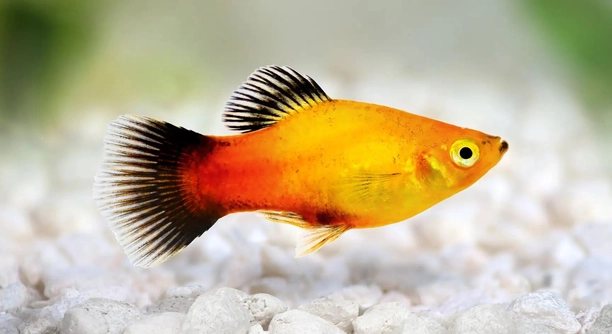
Platies are popular freshwater fish known for their lively colors and easy care. They add charm to home aquariums and come in many different shades and patterns. Learning about their color variations can help enthusiasts choose the best ones for their tanks.
Platies come in a wide range of color variations, including red, orange, yellow, blue, black, and white. These colors often appear in solid, mottled, or patterned forms, such as tuxedo or speckled. Selective breeding has expanded their diversity significantly.
Exploring these color options can enhance your aquarium’s visual appeal and help you select platies that fit your personal style. The variety available means there is something for every fish keeper’s preference.
Common Platy Color Patterns
Platies display a variety of color patterns that make each fish unique. The most common patterns include solid colors, speckled, and tuxedo. Solid-colored platies have one consistent color across their body, such as bright red or deep blue. Speckled platies show small spots or patches of different colors mixed across their scales, creating a mottled look. Tuxedo platies have a distinct color division, usually with a darker back and lighter belly, resembling a formal jacket. Some platies also have mixed patterns that combine these styles, offering even more visual interest. These patterns are the result of selective breeding and natural variation. Understanding the common patterns helps in identifying the types available and choosing the best match for your aquarium setup. Color patterns also influence how platies interact with tank mates and light, affecting the overall aesthetic of the tank.
Platy patterns are diverse, providing many options for hobbyists who want different visual effects in their tanks.
In addition to their color, platies also vary in fin shapes and sizes, which further enhances their appearance. Their peaceful nature and adaptability make them easy to keep with other fish, and their bright colors brighten any aquarium environment. These traits make platies a popular choice for both beginners and experienced fish keepers. Their patterns are not just decorative but also reflect the fish’s health and genetics. Observing these details can help maintain a healthy aquarium and enjoy the beauty platies bring.
Selecting Platies Based on Color Preferences
Choosing platies by color depends on personal taste and aquarium style. Some prefer bright, bold colors to create a striking focal point. Others opt for subtle or mixed hues that blend naturally with plants and decorations.
Selecting platies based on color means considering how different shades will complement each other and the tank environment. For example, pairing orange and black platies can create contrast, while soft yellows and blues offer a calming effect. It is also important to choose fish with healthy, vibrant colors, which usually indicate good health. Color preference often influences how many and which varieties are stocked, affecting the overall look. Careful selection can make the aquarium visually appealing and enjoyable for anyone watching.
When selecting platies, consider tank size and lighting, as these affect how colors appear. Proper lighting can enhance colors, making them more vivid and attractive. Avoid overcrowding to reduce stress and maintain color brightness. Keeping water quality high also helps preserve the colors over time. Color selection is not only about beauty but also about creating a balanced, healthy habitat. Paying attention to these factors ensures your platies stay vibrant and active for longer periods.
How Lighting Affects Platy Colors
Lighting plays a key role in how platy colors show in your aquarium. Bright, full-spectrum lights make their colors more vivid and easier to see. Dim or uneven lighting can dull their appearance and hide some patterns.
Proper lighting highlights the natural brilliance of platies, enhancing reds, blues, and oranges. It also supports plant growth, which complements the fish’s colors. Using LED lights designed for aquariums provides balanced illumination without overheating the tank. Avoid direct sunlight, as it can cause algae growth and stress fish. Lighting schedules should mimic natural day and night cycles to keep platies healthy. Good lighting improves not only aesthetics but also fish behavior and overall tank health.
Consistent lighting allows platies to display their best colors throughout the day. It also helps you spot any changes in color that might indicate stress or illness. Lighting combined with a clean tank and balanced water conditions keeps platies looking their best and feeling comfortable.
Feeding and Its Impact on Platy Colors
Diet significantly influences the vibrancy of platy colors. A varied diet with high-quality flakes, pellets, and occasional live or frozen foods ensures they get essential nutrients for color development. Foods rich in carotenoids boost red and orange hues.
Supplying a balanced diet helps maintain the intensity of their colors and overall health. Fresh vegetables like spinach and peas also add vitamins that improve their skin and scales. Overfeeding or poor nutrition can cause dullness or color loss. Feeding small amounts multiple times a day supports digestion and nutrient absorption. Proper feeding routines contribute to stronger immune systems, helping platies resist disease while maintaining bright colors.
Color-enhancing foods are beneficial but should be part of a well-rounded diet. Natural ingredients and supplements can improve color saturation without artificial dyes. Monitoring feeding habits and food quality ensures your platies stay colorful and healthy over time.
Genetic Factors Behind Platy Colors
Genetics determine the base colors and patterns of platies. Different genes control color intensity, pattern type, and distribution. Selective breeding has enhanced certain traits, producing a wide variety of vibrant platies.
Inherited traits from parent fish influence offspring appearance. Some color variations are dominant, while others are recessive, leading to diverse combinations in a single brood.
Environmental Effects on Color Brightness
Water quality and temperature affect platy coloration. Poor conditions can stress fish, causing colors to fade. Maintaining stable, clean water helps keep their colors bright.
Stress from overcrowding or aggressive tank mates may also dull their appearance. Creating a calm environment is essential for color retention.
Common Color Varieties of Platies
Platies come in popular varieties like Red, Sunset, Mickey Mouse, and Calico. Each variety features distinct colors and patterns favored by fish keepers for their unique looks.
Genetic Factors Behind Platy Colors
Genetics determine the base colors and patterns of platies. Different genes control color intensity, pattern type, and distribution. Selective breeding has enhanced certain traits, producing a wide variety of vibrant platies.
Inherited traits from parent fish influence offspring appearance. Some color variations are dominant, while others are recessive, leading to diverse combinations in a single brood.
Environmental Effects on Color Brightness
Water quality and temperature affect platy coloration. Poor conditions can stress fish, causing colors to fade. Maintaining stable, clean water helps keep their colors bright.
Stress from overcrowding or aggressive tank mates may also dull their appearance. Creating a calm environment is essential for color retention.
Common Color Varieties of Platies
Platies come in popular varieties like Red, Sunset, Mickey Mouse, and Calico. Each variety features distinct colors and patterns favored by fish keepers for their unique looks.
Platies are among the most colorful and easy-to-care-for fish available for home aquariums. Their wide range of colors and patterns makes them appealing to many fish keepers. From bright reds and yellows to subtle blues and mixed patterns, platies add visual interest to any tank. Understanding the different color variations helps in selecting the right fish to match your preferences and tank environment. Each platy’s color is influenced by genetics, diet, lighting, and overall tank conditions. Paying attention to these factors ensures your fish stay healthy and vibrant over time.
Maintaining good water quality and providing a balanced diet are important for preserving platy colors. Clean water reduces stress, which can cause colors to fade, while nutrient-rich foods help develop and maintain bright hues. Proper lighting enhances their natural colors, allowing you to enjoy their full beauty. Selecting platies based on color and pattern can also improve the tank’s aesthetic appeal, making your aquarium a pleasant focal point. Keeping the tank environment stable and peaceful helps platies thrive, which shows in their appearance and behavior.
In summary, platies offer a pleasing variety of color options that suit many tastes and aquarium styles. Their adaptability and peaceful nature make them suitable for both beginners and experienced fish keepers. By understanding how genetics, diet, lighting, and environment impact their colors, you can create a healthy and attractive home for your platies. This knowledge supports the long-term well-being of the fish and enhances the enjoyment of maintaining a colorful aquarium.

Hello,
If you enjoy the content that we create, please consider saying a "Thank You!" by leaving a tip.
Every little bit helps us continue crafting quality advice that supports the health, happiness, and well-being of pets around the world, for pets of all shapes, sizes, and species.
We really appreciate the kindness and support that you show us!