
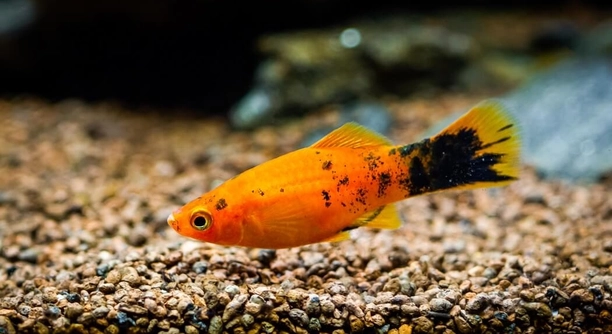
Many aquarium owners enjoy keeping different types of fish together. Among popular choices are platies and betta fish, both admired for their vibrant colors and personalities. Combining these species in one tank is a common consideration for hobbyists seeking variety.
Platies and betta fish can sometimes live together, but success varies depending on the individual fish’s temperament and tank conditions. Bettas may be aggressive toward platies, and careful monitoring is essential to prevent conflicts and stress.
Understanding the factors that influence compatibility helps ensure a peaceful aquarium environment and a better experience for both fish and their caretakers.
Understanding Betta Fish Behavior
Betta fish are known for their territorial nature. They often show aggression toward other fish, especially those with bright colors or flowing fins. This behavior can lead to stress or injury for tank mates like platies. Bettas are solitary by nature, and placing them with other species requires a tank that provides enough space and hiding spots. The size of the tank plays an important role in reducing aggression. In a small tank, bettas may feel threatened and act aggressively. Water conditions and feeding schedules also affect their mood. Platies, being peaceful and social fish, generally prefer living in groups, which contrasts with the betta’s more solitary tendencies. Proper monitoring is key when introducing these species together to ensure their behaviors do not lead to harm. Adjustments like rearranging decorations or providing plants can help create boundaries and reduce conflicts in the aquarium.
Tank size and environment largely influence how well bettas and platies coexist.
A larger tank with plenty of hiding places allows both species to establish their own territories. Plants and decorations break lines of sight, which can help reduce aggressive encounters. Keeping the water clean and maintaining stable conditions also supports calmer fish behavior. Providing a balanced diet and consistent feeding times helps minimize stress for both platies and bettas. Watching their interactions closely during the first few weeks is important. If signs of persistent aggression appear, separating the fish may be necessary to protect their well-being. With the right setup, many aquarists find a peaceful balance between these two species.
Choosing Compatible Platies
Platies are generally peaceful and adapt well to community tanks. However, not all platies will behave the same around bettas. Some are more active or brightly colored, which might provoke a betta’s aggression. Selecting platies with more subdued colors and calm behavior improves the chances of peaceful cohabitation. It is best to introduce the platies first, allowing them to establish their presence before adding a betta. This order helps reduce stress and territorial disputes. Additionally, keeping several platies together can help spread out any aggression directed at them. Avoiding overcrowding and providing enough space for each fish to swim freely also matters. Careful observation of their initial interactions helps identify any issues early. If the betta shows persistent chasing or fin nipping, it may be safer to house them separately. Choosing the right platies and managing the tank environment play essential roles in maintaining harmony.
Feeding Habits and Tank Maintenance
Platies and bettas have different feeding needs that must be balanced. Bettas require protein-rich diets, while platies prefer a varied diet including plant matter. Proper feeding prevents aggression related to competition for food.
Balancing the diet is important to keep both species healthy. Bettas are carnivores and thrive on pellets or frozen foods high in protein, such as bloodworms or brine shrimp. Platies, on the other hand, are omnivores and enjoy flakes, vegetables, and algae wafers. Feeding schedules should be consistent, with small portions given two to three times daily. Overfeeding can pollute the tank and lead to health problems. Uneaten food should be removed promptly to maintain water quality. By understanding these feeding differences, conflicts over food can be minimized, promoting peace in the aquarium.
Tank maintenance is equally important. Both species produce waste that can affect water conditions. Regular water changes, cleaning filters, and monitoring water parameters are essential. A clean tank reduces stress and the chance of illness, helping both bettas and platies coexist more comfortably. Maintaining a healthy environment supports their overall well-being.
Signs of Stress and Aggression
Stress in fish often shows through changes in behavior and appearance. Bettas may flare fins or chase tank mates, while platies might hide or lose color. Early detection helps prevent serious issues.
Aggression between bettas and platies can escalate quickly. Bettas may nip fins or corner platies, causing injury. Platies under constant attack may become lethargic or stop eating. Stress weakens immune systems, increasing susceptibility to disease. Monitoring the fish daily for signs like rapid breathing, torn fins, or unusual swimming patterns is necessary. Adjusting tank layout or separating aggressive fish might be required to ensure safety. Preventing stress through proper care and observation helps maintain a peaceful tank environment for both species.
Tank Setup Recommendations
A well-planned tank reduces conflicts between bettas and platies. Provide plenty of plants and hiding spots to create separate territories. This helps fish feel secure and lowers aggression levels.
Using floating plants and dense decorations breaks sightlines, which calms territorial behavior. Ensure the tank is at least 10 gallons to give each fish enough space. Proper filtration and regular water changes maintain a healthy environment for both species.
Introducing Platies and Bettas
Introduce platies to the tank before adding a betta. This allows the platies to settle in and reduces territorial disputes when the betta arrives. Observe interactions closely after introducing the betta to ensure no aggression occurs.
If aggressive behavior starts, be ready to separate the betta or rearrange the tank to disrupt established territories. Slow, careful introductions give the best chance for peaceful coexistence.
Common Mistakes to Avoid
Overcrowding the tank is a frequent error. It increases stress and aggression, making peaceful cohabitation unlikely.
Monitoring and Adjustment
Regular observation of fish behavior is essential. Early detection of problems can prevent serious conflicts or health issues.
FAQ
Can platies and bettas live together peacefully?
Platies and bettas can live together in the same tank, but it depends on the temperament of the betta and the tank setup. Bettas are territorial and may become aggressive, especially if the tank is small or lacks hiding spaces. Platies are generally peaceful but may be stressed if chased or nipped. Careful monitoring and proper tank conditions increase the chance of peaceful coexistence.
What tank size is best for keeping platies and bettas together?
A tank of at least 10 gallons is recommended to house platies and a betta together. Larger tanks provide more space for fish to establish their own areas and reduce encounters that lead to aggression. A well-planted tank with decorations also helps create separate zones, making the fish feel more secure and less likely to fight.
How should I introduce a betta to a tank with platies?
Introduce the platies first and let them settle for a few days before adding the betta. This allows the platies to establish their territory, reducing stress and territorial disputes when the betta is introduced. Watch the betta closely during the first few weeks and be ready to separate the fish if aggression occurs.
What signs indicate aggression between bettas and platies?
Common signs of aggression include chasing, fin nipping, flaring fins, and hiding. Bettas often flare their fins and chase other fish when feeling territorial. Platies may hide more, lose their vibrant color, or have torn fins from being nipped. Persistent aggressive behavior can lead to stress and illness, so early intervention is important.
Can diet affect the relationship between bettas and platies?
Yes, diet can influence their behavior. Bettas need a protein-rich diet, while platies eat a varied diet including plant matter. Feeding both species properly reduces competition over food, which can decrease aggression. Overfeeding should be avoided, as leftover food pollutes the tank and can cause stress and health problems.
How often should I clean the tank when keeping bettas and platies together?
Regular tank maintenance is crucial. Change about 25% of the water weekly and clean filters monthly to maintain water quality. Both bettas and platies produce waste that affects tank conditions. Clean water reduces stress and disease risk, helping both species stay healthy and calm.
Are there any tank mates better suited for bettas than platies?
Some species are generally better suited as betta tank mates due to their size and temperament. Small, fast-moving fish like neon tetras or bottom dwellers like corydoras catfish can sometimes coexist peacefully. However, individual betta personalities vary, so any combination requires careful observation.
What should I do if my betta keeps attacking the platies?
If the betta shows persistent aggression despite tank adjustments, it’s best to separate them. Use a divider or a separate tank to prevent injury and stress. Sometimes rearranging tank decorations can help break territorial claims, but separation is the safest option if aggression continues.
Can platies and bettas breed if kept together?
No, platies and bettas cannot breed together as they are different species with incompatible breeding behaviors. Platies are livebearers, giving birth to free-swimming fry, while bettas are bubble nest builders. Keeping them together will not result in breeding but requires care to avoid stress.
Is it safe to keep multiple platies with one betta?
Keeping several platies together with one betta can sometimes spread out aggression and reduce pressure on individual platies. Platies are social and feel safer in groups. However, the tank must be large enough, and there should be plenty of hiding places to prevent fights. Monitor behavior closely to ensure harmony.
Do bettas and platies have different water temperature needs?
Both bettas and platies thrive in similar tropical temperatures, typically between 74°F and 80°F (23°C–27°C). Maintaining a stable temperature within this range supports their health and reduces stress, which can otherwise increase aggression and illness.
What kind of plants help reduce aggression in a mixed tank?
Dense plants like Java fern, Anubias, and floating plants such as duckweed or water lettuce create hiding spots and visual barriers. These plants help break lines of sight, making fish less likely to feel threatened and aggressive. Live plants also improve water quality by absorbing nitrates.
How can I tell if a betta is stressed?
A stressed betta may display faded colors, clamped fins, lethargy, or loss of appetite. Frequent hiding or rubbing against tank decorations are also signs. Stress often results from aggression, poor water quality, or inappropriate tank conditions. Identifying stress early allows for corrective action.
Is it necessary to use a tank divider with bettas and platies?
A tank divider can be helpful if aggression occurs, allowing fish to share the same tank space without physical contact. It is especially useful during introductions or if a betta is particularly aggressive. Dividers maintain visual contact but prevent injury.
Can bettas and platies share the same filtration system?
Yes, they can share the same filter, but it should provide gentle water flow. Bettas prefer calm water, while platies tolerate moderate currents. Choosing an adjustable filter or adding flow control helps create a comfortable environment for both fish. Proper filtration supports water quality and fish health.
When considering whether platies and betta fish can live together, it is important to recognize the unique needs and behaviors of both species. Bettas are known for their territorial nature and can sometimes show aggression, especially in confined spaces or when they feel threatened. Platies, on the other hand, are peaceful and social fish that do well in community tanks but may become stressed if they face constant chasing or nipping. Successfully keeping these two species together depends on factors such as tank size, environment, and careful observation of their interactions. Understanding these aspects helps create a better living space for both fish and reduces the chance of conflicts.
A well-planned aquarium setup can make a significant difference in how platies and bettas coexist. Providing enough space with a minimum tank size of 10 gallons, along with plenty of plants and hiding places, allows both species to establish their own territories without feeling crowded. Breaking sightlines with decorations helps lower aggression by giving fish places to retreat when needed. Additionally, maintaining clean water and stable conditions through regular maintenance supports the health and comfort of all tank inhabitants. Feeding both fish according to their dietary needs also helps prevent competition and reduces stress in the tank.
Even with the right setup, it is important to watch the fish closely for signs of stress or aggression. Bettas may flare their fins or chase platies, while platies might hide more often or show torn fins. If aggressive behavior persists, it may be necessary to separate the fish to avoid harm. Introducing platies before the betta and giving the fish time to adjust helps reduce tension during introductions. With proper care, observation, and adjustments, many aquarists find that platies and bettas can live together peacefully. However, success is not guaranteed, and the welfare of the fish should always be the priority.

Hello,
If you enjoy the content that we create, please consider saying a "Thank You!" by leaving a tip.
Every little bit helps us continue crafting quality advice that supports the health, happiness, and well-being of pets around the world, for pets of all shapes, sizes, and species.
We really appreciate the kindness and support that you show us!