
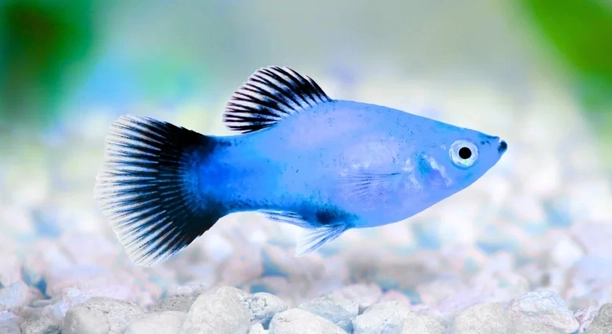
Many aquarium owners enjoy keeping platies because they are colorful and easy to care for. Knowing what to feed them is important for their health and happiness. Vegetables can be part of a platy’s diet if chosen carefully.
Platies can eat certain vegetables, but not all are suitable. Safe options include spinach, cucumber, and peas, which provide essential nutrients and fiber. Avoid vegetables that are hard to digest or may cause health issues for platies.
Learning which vegetables work best helps keep your platies healthy and thriving. This article will guide you through the best choices for their diet.
Best Vegetables for Platies
Platies enjoy eating some vegetables, but not all will benefit their health. Leafy greens like spinach and lettuce are great choices because they are soft and easy to digest. Cucumbers and peas also work well, offering hydration and fiber. It’s important to prepare vegetables by washing them thoroughly and cutting them into small, manageable pieces. Avoid starchy or hard vegetables such as carrots or corn, which platies may struggle to eat or digest. Introducing vegetables slowly into their diet helps avoid digestive problems. Feeding small amounts two to three times a week is enough to supplement their regular diet. This variety adds essential nutrients that commercial fish food might miss, supporting their immune system and vibrant colors. Fresh vegetables should always be rinsed well to remove pesticides or chemicals that could harm your fish. Keeping vegetables fresh and offering them in moderation ensures platies remain healthy and active.
Vegetables should be fresh and cut small to prevent choking or water pollution. Avoid feeding too much to maintain tank cleanliness.
Feeding vegetables offers platies a chance to get vitamins and fiber. These nutrients improve digestion and overall well-being. Vegetables like peas help prevent constipation, a common issue in small fish. Providing a balanced diet with both pellets and plant matter helps platies live longer, healthier lives. Always observe how your fish respond to new foods and adjust feeding habits accordingly. Proper vegetable feeding supports natural behaviors and keeps your aquarium environment cleaner. Overfeeding can lead to leftover food, so portion control is key. A well-fed platy will be more active and show better color. Including vegetables in their diet is simple but can make a big difference in their health.
Vegetables to Avoid
Some vegetables are not suitable for platies and should be avoided. Hard vegetables like corn, carrots, and potatoes can be difficult for them to digest and may cause blockages or stress. These vegetables may also decay quickly in the tank, leading to poor water quality and possible health problems. Additionally, some vegetables have high starch content, which platies cannot process well. Feeding these vegetables can upset their digestive system and reduce their lifespan. It’s safer to stick with soft, leafy greens and peas. Always research any new vegetable before offering it to your fish to prevent accidental harm.
Certain vegetables may harm platies if given incorrectly or too often, so careful selection is essential.
Corn and carrots can be too tough for platies to chew and digest properly, sometimes leading to digestive issues. They often do not eat these vegetables fully, which results in leftover food decaying in the tank and causing ammonia spikes harmful to fish. High-starch vegetables like potatoes add unnecessary carbohydrates to their diet and offer little nutritional value for platies. Instead, focus on softer, watery vegetables that platies can easily nibble on and digest. This reduces waste and keeps the tank cleaner. Always remove uneaten vegetable pieces promptly to maintain a healthy environment. Choosing vegetables wisely ensures your platies stay healthy without risking digestive problems or water quality issues.
How to Prepare Vegetables for Platies
Vegetables must be prepared carefully before feeding platies. Always wash them thoroughly to remove dirt and chemicals. Cut vegetables into small, bite-sized pieces that platies can easily eat without choking or struggling.
Boiling or blanching harder vegetables like peas softens them, making it easier for platies to digest. Avoid seasoning or adding salt. Raw leafy greens can be given directly after washing and chopping. Overfeeding vegetables can pollute the tank, so give small portions and remove any uneaten food after a few hours. Preparing vegetables this way ensures your platies get nutrition without risking their health or tank cleanliness.
Offering vegetables in manageable portions helps maintain water quality. It’s important to monitor how quickly your platies finish their food and adjust accordingly. Too much leftover vegetable matter can cause harmful bacteria to grow. Feeding small, prepared pieces encourages platies to eat all their food and keeps the tank cleaner. Using simple preparation techniques like washing and chopping will make vegetables a safe and beneficial part of their diet.
Feeding Frequency and Portion Size
Platies do not need vegetables every day. Feeding vegetables two or three times a week is enough to supplement their diet without overloading their digestive systems. Small portions prevent waste buildup in the tank and reduce health risks.
Start with tiny amounts and observe how your platies respond. If they eat all the vegetables quickly, you can gradually increase the quantity. If leftovers remain, cut back to avoid fouling the water. Regular but moderate feeding promotes better digestion and keeps platies healthy. Balance vegetables with their regular fish food to meet all nutritional needs. A controlled feeding schedule supports stable water conditions and vibrant fish.
Signs Your Platies Enjoy Vegetables
Platies that like vegetables often swim eagerly to the food and nibble at it quickly. They may also show more activity and brighter colors after eating fresh greens.
If platies ignore the vegetables or leave most of it behind, they might not enjoy that particular type.
How Vegetables Benefit Platies
Vegetables provide essential vitamins and fiber that support digestion and overall health in platies. They help prevent constipation and boost the immune system. Adding vegetables also introduces variety to their diet, which can reduce boredom and improve appetite. Feeding vegetables properly can contribute to longer, healthier lives for your fish.
When to Avoid Vegetables
If your platies show signs of digestive upset or the tank water becomes cloudy after feeding vegetables, reduce or stop giving them until the issue clears.
FAQ
Can platies eat raw vegetables?
Yes, platies can eat some raw vegetables like lettuce, spinach, and cucumber. These vegetables are soft and easy to digest when fresh and washed properly. Harder vegetables should be cooked or blanched first to soften them and make digestion easier for your fish.
How often should I feed vegetables to my platies?
Feeding vegetables two to three times a week is enough. Platies mainly rely on prepared fish food for their diet, so vegetables should be a supplement rather than a main meal. Offering vegetables too often can lead to leftover food in the tank, which harms water quality.
What vegetables are toxic or harmful to platies?
Avoid feeding starchy or tough vegetables like corn, potatoes, and carrots. These can be hard to digest and may cause blockages or digestive stress. Also, avoid any vegetables that have been treated with pesticides or chemicals, as these are dangerous to your fish.
Can vegetables replace commercial fish food for platies?
No, vegetables alone do not provide all the nutrients platies need. Commercial fish food is specially formulated to cover their nutritional requirements. Vegetables should be seen as a healthy supplement to their regular diet, not a full replacement.
What if my platies don’t eat the vegetables I offer?
Not all platies will accept vegetables right away. Some fish may take time to get used to new foods. Try offering different types or preparing them differently, like chopping smaller or blanching harder vegetables. Patience and variety usually help encourage them.
How do I prevent vegetables from fouling the water?
Only give small portions that your platies can finish within a few hours. Remove any uneaten vegetable pieces promptly. Overfeeding or leaving uneaten vegetables to rot will increase waste and ammonia in the tank, which is harmful to fish health.
Can feeding vegetables improve platies’ colors?
Yes, a balanced diet including vegetables can improve your platies’ coloration. Vegetables provide vitamins and nutrients that help maintain vibrant colors and overall health. However, color enhancement works best when combined with high-quality fish food.
Are peas good for platies?
Peas are excellent for platies, especially when boiled or blanched. They provide fiber that helps prevent constipation, a common problem in small fish. Be sure to remove the pea skins before feeding, as these can be difficult to digest.
Is it safe to feed frozen or canned vegetables?
Frozen vegetables can be safe if thawed and rinsed thoroughly. Avoid canned vegetables because they often contain salt and preservatives harmful to fish. Always choose fresh or properly prepared frozen vegetables for the best results.
What signs show a platy is having digestive issues from vegetables?
Signs include bloating, sluggishness, floating awkwardly, or not eating. If you notice these symptoms after feeding vegetables, stop giving them and consult advice on fish health. Overfeeding or unsuitable vegetables are common causes of digestive upset.
Feeding vegetables to platies can be a healthy addition to their diet when done correctly. Including vegetables like spinach, cucumber, and peas provides extra nutrients and fiber that support their digestion and overall well-being. However, it is important to remember that vegetables should only be a supplement to their main diet of commercial fish food. Giving vegetables in small amounts and choosing the right types helps avoid digestive problems and keeps the aquarium environment clean. Careful preparation, such as washing and cutting vegetables into small pieces, makes them easier for platies to eat and digest.
Not all vegetables are suitable for platies. Hard or starchy vegetables like corn, carrots, and potatoes should be avoided as they can be difficult for the fish to process and may cause health issues. Overfeeding vegetables or offering them too often can also harm water quality by leaving uneaten food to decay in the tank. It is best to feed vegetables two or three times a week in moderation and always remove any leftover food. Watching how your platies respond to vegetables is important. If they ignore certain vegetables or show signs of digestive trouble, it may be necessary to adjust what and how much you feed them.
Providing a balanced diet with a mix of commercial fish food and fresh vegetables contributes to the health and happiness of your platies. Vegetables supply vitamins and minerals that help keep their colors bright and support their immune system. Proper feeding habits also reduce the risk of digestive problems and maintain cleaner water in the aquarium. With careful selection, preparation, and portion control, vegetables can be a valuable part of your platies’ diet, helping them thrive and live longer in your care.

Hello,
If you enjoy the content that we create, please consider saying a "Thank You!" by leaving a tip.
Every little bit helps us continue crafting quality advice that supports the health, happiness, and well-being of pets around the world, for pets of all shapes, sizes, and species.
We really appreciate the kindness and support that you show us!