
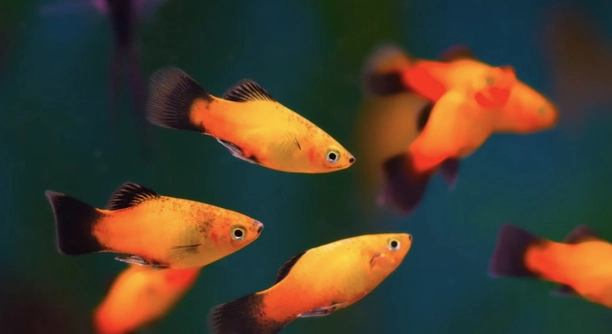
Many people enjoy keeping platies as colorful, peaceful fish in their home aquariums. These small fish can brighten a tank and provide a calming presence. Owners often wonder about the connection they share with their platies.
Platies do show signs of recognizing their owners through conditioned responses to feeding times and familiar movements near the tank. While their recognition is limited compared to mammals, platies can associate human presence with food and safety.
Understanding how platies respond to their owners helps improve care and strengthens the bond between fish and keeper. This article will explore the behaviors that show recognition and interaction in platies.
How Platies Show Recognition
Platies often respond to their owners by swimming closer when they approach the tank, especially during feeding time. They learn to associate certain movements or tapping sounds with food. This behavior is a clear sign they notice familiar patterns. Over time, platies can distinguish the presence of their owner from other people. They may become more active and swim eagerly near the glass, waiting for food. This kind of response is not the same as recognizing a person’s face but shows they remember routine events connected to human interaction. Platies rely mostly on their senses of sight and smell to identify changes around them. Their memory helps them connect feeding schedules and the presence of a specific individual, which creates a simple form of recognition. This behavior proves that platies can develop a bond based on repeated positive experiences with their owner.
These responses show platies have the ability to learn and react to daily patterns in their environment.
Watching these small fish interact with their surroundings reveals much about their capacity to adapt and recognize familiar stimuli. Their behaviors provide insight into how they perceive and react to people. This recognition is important for building a comfortable and stress-free environment for them. As platies become used to their owners, they display more lively and confident movements. Owners who spend time observing these behaviors can better meet the needs of their fish. This understanding helps improve the care routine and deepens the connection, even if it is not like petting a cat or dog. It is a simple but meaningful interaction.
The Importance of Consistency in Interaction
Consistent care helps platies recognize their owner more easily.
Routine feeding times and calm, gentle movements near the tank encourage platies to become comfortable and responsive. Consistency builds trust and reduces stress in these fish. When the owner approaches regularly at predictable times, platies learn to expect food and associate that person with safety and nourishment. Sudden changes or loud noises can cause them to hide or swim away, but steady interaction helps prevent this. Offering food at the same time each day creates a pattern the fish can remember and react to positively. Regular, peaceful interaction is key to encouraging recognition and reducing fear in platies.
Daily routines form the basis of how platies learn and remember their environment and the people around them.
The relationship between a platy and its owner depends on predictable habits and patient care. These fish are sensitive to stress and change, so maintaining a calm and stable environment is essential. Owners who approach the tank quietly and avoid sudden movements encourage platies to respond more openly. Over time, platies may swim toward the tank’s surface when they see their owner, showing signs of recognition and comfort. This behavior can be rewarding for owners, as it means the fish feel safe and connected to their environment. Providing consistent care with proper feeding and water maintenance supports the health and happiness of platies. Understanding their needs and habits allows for a peaceful coexistence, where the fish thrive and owners enjoy a more engaging experience.
Signs That Platies Recognize You
Platies may swim toward the front of the tank when they see their owner. They also become more active during feeding times. These simple behaviors indicate they notice familiar people and associate them with food and safety.
Platies recognize routine movements and sounds connected to feeding. They do not recognize faces but learn to expect food when specific actions occur, such as tapping the tank or approaching with a food container. This conditioned response means they associate their owner’s presence with positive experiences. Over time, they may swim eagerly near the glass when the owner approaches, showing recognition. This behavior can make aquarium keeping more rewarding because it shows platies respond to their environment and caretaker. Their recognition is limited but meaningful for daily interaction.
These fish rely on their senses to adapt to changes. They use sight and smell to remember the presence of a person who regularly feeds them. The more consistent the interaction, the stronger the recognition becomes. Platies do not form deep bonds like mammals, but their responses prove they notice and react to their owners in small ways.
How to Encourage Recognition in Platies
Feeding your platies at the same time every day helps build recognition. Consistent interaction makes them comfortable and more likely to respond.
Creating a calm environment supports this process. Avoid sudden movements or loud noises near the tank. Gentle tapping or approaching slowly can encourage platies to swim toward the owner. Using the same feeding tools and signals can help platies learn who is caring for them. This routine builds trust, making the fish less fearful and more interactive. Over time, platies will associate specific actions and times with feeding and safety, showing clearer signs of recognition. Consistency is key to forming this simple connection.
Can Platies Differentiate Between People?
Platies mainly react to routine and repeated actions rather than individual people. They recognize patterns, not personal features. Their recognition is based on behavior associated with feeding, not who is performing it.
They respond more to familiar sounds and movements than to visual cues. This means platies may not tell owners apart but notice who provides food regularly.
How Vision Affects Recognition in Platies
Platies have good eyesight for detecting movement and changes in light. They use this ability to notice when someone approaches their tank. While they do not recognize faces, they can see shapes and motions clearly. This helps them associate an owner’s presence with feeding time or safety. Bright colors or sudden movements might startle them, so calm, steady actions are best for encouraging recognition. Their vision supports simple learning and memory, allowing platies to connect specific actions with positive outcomes like food or interaction.
Role of Smell in Recognition
Platies also use their sense of smell to detect changes in their environment. They can recognize chemical cues in the water linked to feeding or stress. This helps them identify when their owner is nearby or if something is different in the tank.
Do platies really recognize their owners?
Platies do not recognize their owners like pets such as dogs or cats. Instead, they learn to associate certain actions—like feeding or tapping the tank—with positive outcomes. This means they can respond to the presence of their owner through these repeated behaviors. They notice patterns, not faces or personal features. When you approach the tank regularly, platies often swim closer or become more active because they expect food or attention. This form of recognition is basic but shows they can learn from their environment and routine care.
How do platies respond when they recognize their owner?
When platies recognize the presence of their owner, they often swim toward the front of the tank, becoming more lively and eager. They may follow your movements along the tank or come near the surface when feeding time is near. This response is mostly linked to feeding, as they associate you with food and safety. They might also show less fear and hide less over time if they feel comfortable and safe around you. Their behavior becomes more predictable with consistent interaction.
Can platies recognize different people?
Platies are unlikely to differentiate between individual people. Their recognition depends mostly on routine actions and feeding patterns rather than visual or personal differences between humans. They respond better to consistent feeding habits than to who is actually feeding them. If multiple people care for the tank, platies may learn to associate all of them with food and safety, but they don’t distinguish one person from another in the way mammals do.
What senses do platies use to recognize their owner?
Platies rely primarily on sight and smell. Their eyesight is good enough to detect movement and changes near the tank, so they notice when someone approaches. They also detect chemical signals in the water, which can help them sense when feeding is about to happen or if the environment changes. These senses work together to help them learn and remember the routine care provided by their owner.
How important is feeding routine for platy recognition?
A consistent feeding routine is very important for platies to recognize their owner. Feeding at the same time every day and using similar movements or signals helps platies form associations. They learn to expect food when certain actions occur, which builds a simple form of trust. If feeding times are irregular or unpredictable, platies may become stressed or less responsive, making recognition harder.
Can platies recognize their owner without food?
Platies mainly associate their owner with food, so recognition without feeding is limited. However, if you approach the tank calmly and regularly, they may still become comfortable with your presence and show signs of recognition. Non-feeding interactions, like gentle movements or tapping, can help them learn to respond, but feeding remains the strongest signal.
Do platies get stressed by too much interaction?
Yes, platies can get stressed if there is too much noise, sudden movements, or frequent tapping on the tank. Stress causes them to hide or swim erratically. It’s important to keep interactions calm and consistent. Avoid startling them, especially during times other than feeding. A peaceful environment helps platies feel safe and respond better to their owner’s presence.
How can I make my platies more comfortable recognizing me?
To make platies more comfortable, keep a regular feeding schedule and approach the tank slowly and calmly. Use the same spot and gentle movements when feeding. Avoid loud noises or sudden actions near the tank. Over time, this helps platies feel safe and more willing to swim close and interact. Patience and quiet consistency are key to encouraging recognition.
Can platies recognize their owner through the glass?
Yes, platies can recognize movement and routine through the glass. They respond to the sight of their owner approaching or tapping. However, their recognition is based on repeated actions and not on identifying a specific person visually. Glass acts as a barrier, but platies use sight and smell cues that pass through it to connect owners with food and safety.
Do platies show affection toward their owners?
Platies do not show affection in the same way mammals do. Their recognition is more about learning and survival instincts than emotional bonding. However, their calm behavior and willingness to swim near their owner can be seen as a sign of comfort and trust. These responses make aquarium care more enjoyable but are not the same as affectionate behavior in pets like dogs or cats.
Platies are small, peaceful fish that many people enjoy keeping in their aquariums. While they do not recognize their owners in the way that pets like dogs or cats do, they are able to learn and respond to routine behaviors. This recognition is mostly connected to feeding and familiar movements near the tank. Platies use their senses, especially sight and smell, to notice when a person approaches and to associate that person with food. Over time, they become more comfortable and active when they see their owner because they expect positive experiences, such as feeding or gentle interaction.
Consistent care plays a big role in helping platies recognize their owner. Feeding them at the same time every day and using calm, steady movements near the tank builds a simple form of trust. Sudden changes, loud noises, or quick motions can scare them, so a peaceful environment is important. When platies feel safe, they are more likely to swim near the front of the tank and respond to their owner’s presence. This kind of interaction shows that platies can learn from their surroundings and the people who care for them, even though their recognition is basic compared to more social animals.
Understanding how platies recognize their owners can improve the experience of keeping these fish. By observing their behavior and maintaining a regular routine, owners can encourage their fish to be more active and responsive. This makes aquarium care more rewarding and helps the fish stay healthy and less stressed. While platies may not form strong emotional bonds, the simple recognition they show is enough to make owners feel connected to their aquatic pets. Taking the time to build this connection supports both the well-being of the fish and the enjoyment of their owners.

Hello,
If you enjoy the content that we create, please consider saying a "Thank You!" by leaving a tip.
Every little bit helps us continue crafting quality advice that supports the health, happiness, and well-being of pets around the world, for pets of all shapes, sizes, and species.
We really appreciate the kindness and support that you show us!