
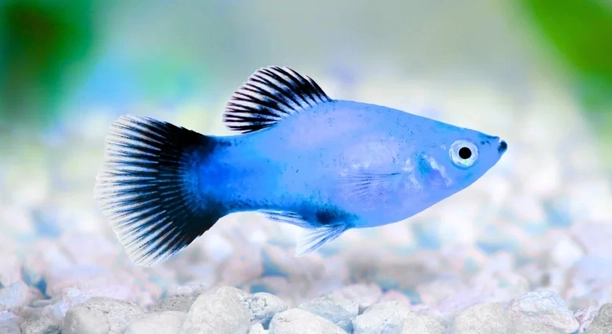
Platies are popular freshwater fish known for their vibrant colors and easy care. Many people keep them in home aquariums to enjoy their peaceful nature and lively swimming. Providing the right environment helps them thrive and stay healthy.
Platies need clean water, a balanced diet, proper tank size, stable temperature, good filtration, hiding spots, and regular monitoring to maintain their well-being and happiness in captivity. Each of these factors contributes to their overall health.
Knowing these essentials can improve your platies’ quality of life and prevent common health issues. Understanding their needs will help you create a comfortable home for these colorful fish.
Clean Water Is Essential for Platies
Platies need clean water to live a healthy life. Dirty water can cause stress and illness. It is important to change the water regularly, at least once a week. Use a good water conditioner to remove chlorine and harmful chemicals. Test the water often to check pH, ammonia, and nitrate levels. Keeping these balanced prevents sickness and keeps platies active. The tank should be cleaned gently to avoid disturbing the fish too much. Filters help remove waste and keep water clear but need regular maintenance. If the tank is too small or overcrowded, water quality drops faster. Proper water care reduces disease and helps platies show their best colors. A stable and clean environment supports their natural behaviors and keeps them comfortable.
Regular water changes and testing are key to maintaining a safe tank environment for platies.
Monitoring water quality closely ensures your platies stay healthy and stress-free.
Balanced Diet Keeps Platies Strong
Platies thrive on a varied diet that includes flakes, pellets, and live or frozen foods. Providing a mix ensures they get enough nutrients. Avoid overfeeding, as leftover food can pollute the tank. Feeding small amounts once or twice daily is best. Vegetables like spinach or peas can be offered occasionally for added vitamins. A balanced diet supports their immune system and bright colors. Platies are not picky eaters but benefit from quality food. Protein from live foods like brine shrimp or daphnia helps growth and energy. Variety also keeps them interested in their food and reduces boredom. Healthy eating helps them stay active and reproduce successfully. Feeding routines that fit their needs create a happier, longer life.
Offering a good mix of foods daily supports your platies’ health and vitality.
Consistent feeding habits prevent tank pollution and keep your fish lively.
Proper Tank Size Matters
A tank of at least 10 gallons is needed for a small group of platies. More space helps reduce stress and aggression. Overcrowding leads to poor water quality and unhealthy fish.
A larger tank provides room for platies to swim freely and display natural behaviors. It also helps maintain stable water conditions, which is critical for their health. With more water volume, toxins like ammonia and nitrate stay diluted, lowering the risk of illness. In a cramped space, fish may compete for food and hiding spots, causing stress and sometimes injury. A 10-gallon tank can house about three to five platies comfortably, but bigger is always better, especially if you want to add other peaceful species. Planning for growth and regular water maintenance makes the tank a safe home.
Choosing the right tank size ensures your platies have a stress-free, healthy environment.
A proper tank gives platies space to thrive and stay active every day.
Stable Temperature Supports Well-Being
Platies do best in water temperatures between 70°F and 78°F. Fluctuations outside this range can cause stress or illness. Maintaining steady warmth is key.
Using an aquarium heater helps keep the water temperature constant, especially in cooler rooms. Sudden drops or rises can weaken their immune system, making them vulnerable to disease. A reliable thermometer allows quick checks and adjustments. Avoid placing the tank near windows or vents where temperature swings happen. Consistency in temperature also supports normal metabolism and breeding. If the tank is too cold, platies may become sluggish, while too warm can shorten their lifespan. Keeping the water stable creates a comfortable environment that encourages activity and good health.
Temperature control is a simple but essential step for happy platies.
Regular monitoring helps prevent health issues related to heat stress or chills.
Good Filtration Is Key
A quality filter keeps the water clear and removes waste. It helps maintain healthy water conditions for platies. Filters need regular cleaning to work well.
Choosing a filter that suits your tank size is important. Over-filtering can cause strong currents, which platies dislike. A gentle flow mimics their natural environment and reduces stress. Filters also support beneficial bacteria that break down harmful toxins, making the water safer. Regular filter maintenance prevents clogging and keeps water moving smoothly. A well-filtered tank reduces the chance of disease and keeps platies active and comfortable.
Provide Hiding Spots
Platies need places to hide and feel secure. Plants, caves, or decorations offer shelter from stress.
Regular Monitoring Is Important
Keeping an eye on platies’ behavior and tank conditions helps catch problems early. Watch for signs of illness or stress to act quickly and maintain their well-being.
FAQ
How often should I change the water in my platies’ tank?
Changing about 25% of the water once a week is usually enough to keep the tank clean. This helps remove waste and keeps toxins like ammonia and nitrate at safe levels. If the tank is crowded or the filter isn’t strong, you may need to change water more often. Always use a water conditioner to remove chlorine from tap water before adding it to the tank. Regular water changes support platies’ health and reduce the risk of disease.
What is the best diet for platies?
Platies do well on a varied diet. Use high-quality flakes or pellets as the base food. Add occasional live or frozen foods like brine shrimp or bloodworms for protein. You can also feed small amounts of vegetables like spinach or peas. Avoid overfeeding, as leftover food pollutes the water. Feeding small portions once or twice daily keeps platies healthy and active.
Can platies live with other fish?
Yes, platies are peaceful and generally get along with other non-aggressive fish. Suitable tank mates include guppies, mollies, tetras, and corydoras. Avoid keeping them with large or aggressive fish that may harm or stress them. Make sure the tank is big enough to provide space for all fish and maintain good water quality. Monitoring fish interactions helps prevent problems.
What water temperature is ideal for platies?
Platies thrive in temperatures between 70°F and 78°F (21°C to 26°C). Maintaining a stable temperature within this range supports their metabolism and immune system. Sudden temperature changes can cause stress or illness. Use an aquarium heater and thermometer to keep water steady. Avoid placing the tank near drafts, windows, or heating vents where temperature may fluctuate.
How do I know if my platies are healthy?
Healthy platies swim actively, eat well, and show bright colors. Their fins should be intact without tears or spots. Watch for signs of illness like lethargy, loss of appetite, clamped fins, or unusual spots on their bodies. If you notice any changes, check water quality and consider isolating sick fish. Early action helps prevent disease from spreading.
Why are my platies hiding all the time?
Platies hide when stressed, sick, or frightened. Poor water quality, sudden changes in the tank, or aggressive tank mates may cause hiding. Providing plenty of plants and decorations gives them safe spaces to retreat. Check water conditions and tank setup to reduce stress factors. When comfortable, platies will swim freely and explore the tank.
How many platies can I keep in one tank?
A good rule is one gallon of water per platy. For example, a 10-gallon tank can house about 8 to 10 platies comfortably. Overcrowding causes poor water quality and stress. Always plan for adult fish size and provide enough space for swimming and hiding. Regular water maintenance is important in any tank size.
Do platies need live plants in their tank?
Live plants help improve water quality by absorbing nitrates and producing oxygen. They also offer hiding spots and make the tank more natural. Platies enjoy resting near plants. However, if live plants are not possible, artificial plants can provide shelter and decoration. Just ensure the tank environment remains clean and well-maintained.
Can platies breed in a home aquarium?
Yes, platies are livebearers and breed easily in home tanks. If you don’t want babies, keep only males or only females. If breeding is desired, provide plenty of plants for fry to hide. Fry need small food like baby brine shrimp or crushed flakes. Controlling the number of fish prevents overcrowding.
What should I do if my platy looks sick?
First, test the water for ammonia, nitrites, and nitrates. Poor water quality is a common cause of illness. Perform a partial water change and clean the tank if needed. Isolate the sick fish to prevent spreading disease. Depending on symptoms, treatment may include medication for parasites or bacterial infections. Consulting a fish care guide or expert helps identify the right steps.
How often should I clean the filter?
Filters should be cleaned every two to four weeks, depending on tank size and fish load. Rinse filter media gently in tank water during water changes to preserve beneficial bacteria. Avoid using tap water, which can kill helpful bacteria. Keeping the filter clean ensures proper water flow and effective waste removal.
Is it necessary to use a heater for platies?
A heater is important if room temperature falls below 70°F (21°C) regularly. Platies need warm water to stay healthy and active. In tropical or consistently warm climates, a heater may not be necessary. However, keeping water temperature stable is always important to avoid stress and illness.
These answers cover many common concerns about caring for platies. Following these guidelines helps create a happy, healthy environment for your fish.
Taking good care of platies means paying attention to their basic needs every day. Clean water is the most important factor for keeping them healthy. Regular water changes and proper filtration keep the tank environment safe and comfortable. Without clean water, platies can become stressed or sick. Feeding them a balanced diet with varied foods gives them the nutrients they need to grow and stay active. Overfeeding should be avoided because leftover food pollutes the water and can harm the fish. A tank that is large enough and kept at a stable temperature helps platies feel secure and reduces stress. Providing hiding spots like plants or decorations also makes a big difference in their comfort and well-being.
A steady routine of care makes it easier to notice any changes in platies’ behavior or health. Watching for signs of illness or discomfort allows for quick action before problems become serious. It is important to keep the tank environment as stable as possible, with proper water quality and temperature. When everything is balanced, platies will swim actively, display their bright colors, and enjoy a long life. Tank mates should be chosen carefully to avoid stress or aggression, and the tank size should allow room for all fish to thrive. Using a good filter and keeping it clean supports healthy water conditions, which is key to the fish’s overall health.
By focusing on these basic needs, platies can live happy and healthy lives in home aquariums. This simple care routine is easy to follow and helps prevent most common problems. Platies are hardy fish but still require attention and a proper environment. Taking the time to set up and maintain their tank correctly will reward you with lively, colorful fish that bring enjoyment. Remember, consistent care and observation are the best ways to keep your platies thriving. When their needs are met, these small fish make a wonderful addition to any aquarium.

Hello,
If you enjoy the content that we create, please consider saying a "Thank You!" by leaving a tip.
Every little bit helps us continue crafting quality advice that supports the health, happiness, and well-being of pets around the world, for pets of all shapes, sizes, and species.
We really appreciate the kindness and support that you show us!