
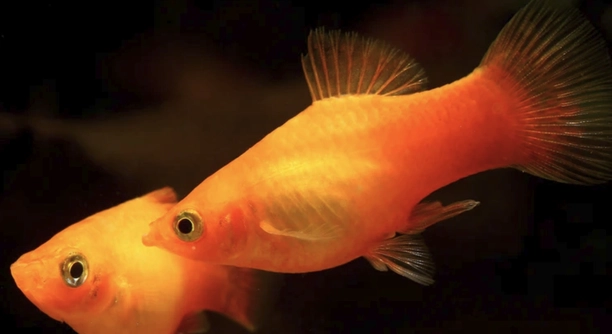
Platies are popular freshwater fish known for their bright colors and peaceful nature. Many people enjoy keeping them in home aquariums. However, their environment plays an important role in their health and wellbeing.
Platies cannot live in cold water for extended periods. They require warm temperatures, usually between 72°F and 78°F, to thrive. Exposure to cold water causes stress, slows metabolism, weakens their immune system, and can lead to serious illness or death.
Knowing how temperature affects platies helps keep them healthy and happy. This article explains what happens when platies are exposed to cold water and how to prevent problems.
Why Platies Need Warm Water
Platies come from warm climates, so their bodies are built to live in warmer water. When the water temperature drops too low, their metabolism slows down. This means they move less and eat less, which can lead to poor health. Cold water also weakens their immune system, making them more likely to get sick from diseases or infections. If the water stays cold for too long, platies can become stressed and even die. They need consistent warmth to stay active and healthy. In an aquarium, it is important to keep the water temperature steady between 72°F and 78°F. Using a reliable heater and thermometer helps maintain this balance. Sudden temperature changes should be avoided because they can shock the fish. Warm water supports their digestion and overall energy, making it easier for platies to grow and reproduce.
Keeping platies in their ideal temperature range helps prevent health problems.
By maintaining warm water, you create a stable environment where platies can thrive without stress or illness.
Signs Your Platies Are Too Cold
When platies are in water that is too cold, they often show clear signs of discomfort. They may become sluggish and hide more than usual. Their color might fade, and they could stop eating or eat very little. You might notice them resting at the bottom of the tank or near the heater if one is present. These behaviors show the fish are stressed and struggling to adjust.
It is important to recognize these signs early to act quickly.
If the water temperature is too low, platies can develop swim bladder problems or infections because their bodies are weakened. Low temperature also slows their immune responses, making them vulnerable to common fish diseases like ich or fin rot. Adjusting the heater to bring the tank back to the proper temperature range is crucial. Regularly checking the thermometer and avoiding cold drafts around the tank can help. Sometimes, sudden weather changes can lower the water temperature, so monitoring daily is a good habit. Quick action prevents serious harm and helps platies recover faster.
How to Warm Cold Water Safely
Raising the temperature in your platies’ tank should be done slowly to avoid shocking the fish.
Increase the heater setting by just a degree or two each day until you reach the ideal range of 72°F to 78°F. Sudden jumps in temperature can stress platies and cause health issues. Using a good-quality aquarium heater with a built-in thermostat helps keep the water stable. Additionally, avoid placing the tank near cold drafts or windows where temperature can fluctuate quickly. If you don’t have a heater, adding one is essential for tropical fish like platies.
When adjusting the temperature, monitor your fish closely for any signs of stress or illness. Small changes over several days allow platies to adapt comfortably. Make sure to check the water with a reliable thermometer to keep it steady and safe.
Effects of Prolonged Cold Exposure
Extended exposure to cold water can severely affect platies. Their immune systems weaken, making them more prone to infections. Slow metabolism can also cause digestion problems and loss of appetite. Prolonged cold can lead to lethargy and a weakened physical condition.
In cold water, platies are more vulnerable to diseases such as fin rot and fungal infections. Their ability to fight off illness is reduced, which often means longer recovery times or permanent damage. In extreme cases, cold water exposure can result in death. This is why maintaining proper temperature is critical.
If you notice any signs of prolonged cold stress, such as faded color or inactivity, raise the temperature gradually and consider consulting a vet if symptoms persist. Preventing cold exposure is the best way to ensure your platies live a healthy life.
Can Platies Survive Short Cold Spells?
Platies may survive brief drops in temperature, but it is not ideal. Short cold spells can still cause stress and weaken their health.
If the water warms back up quickly, platies often recover. However, repeated cold exposure increases risks of illness and long-term damage.
Best Temperature Range for Platies
Platies thrive best in water temperatures between 72°F and 78°F. Staying within this range supports their metabolism, immune system, and overall activity. Temperatures below 70°F can cause stress, slow digestion, and increase vulnerability to diseases. Maintaining consistent warmth helps platies stay healthy, active, and colorful. Using a reliable aquarium heater and monitoring temperature regularly are essential for their wellbeing.
What to Do If Your Tank Gets Too Cold
If the tank temperature falls too low, raise it gradually with a heater. Avoid sudden changes. Watch your platies closely for stress signs and adjust conditions accordingly.
FAQ
Can platies live in water below 70°F?
Platies generally cannot live long in water below 70°F. Their metabolism slows down, which affects their energy and immune system. Exposure to cold water for extended periods can cause illness and may even be fatal. Brief dips below 70°F might not harm them immediately, but it should be avoided as much as possible.
What happens if platies get too cold?
When platies get too cold, they become sluggish and lose appetite. Their immune system weakens, making them prone to infections. They may develop swim bladder issues or fungal infections. Prolonged cold stress can cause permanent damage or death. It’s important to maintain a stable temperature to avoid these problems.
How fast should I warm cold water in a platy tank?
Water should be warmed slowly, by about 1 to 2 degrees Fahrenheit per day. Rapid temperature changes shock the fish and cause stress. Use a heater with a thermostat for gradual warming, and monitor the temperature regularly to keep it steady.
Can platies recover after cold shock?
Platies can recover if the cold exposure is brief and the water temperature returns to the ideal range quickly. However, if the cold shock lasts too long or happens repeatedly, their health may decline permanently. Careful temperature management and good water quality help recovery.
Is a heater necessary for keeping platies?
Yes, a heater is necessary in most homes to keep platies healthy. They are tropical fish and need warm, stable water between 72°F and 78°F. Without a heater, the tank temperature may fluctuate too much, risking the fish’s health.
What signs show platies are stressed by cold?
Signs include reduced activity, hiding, faded colors, loss of appetite, and resting near the tank’s bottom. You may also notice slower swimming or unusual behavior. These signs mean the water temperature is likely too low or unstable.
How often should I check the water temperature?
Check the water temperature daily to ensure it stays within the ideal range. Temperature can change due to room conditions or heater issues. Using a reliable thermometer and keeping an eye on it helps prevent cold stress.
Can other fish tolerate colder water than platies?
Some fish species tolerate colder water better than platies, especially those native to cooler climates. Platies, being tropical fish, require warmer temperatures and do not do well in cold water. It’s important to choose tank mates with similar temperature needs.
What else affects platies’ health besides temperature?
Besides temperature, water quality, diet, and tank size affect platies’ health. Poor water conditions or overcrowding can increase stress and disease risk. Proper filtration, regular water changes, and a balanced diet help keep platies healthy.
Can platies live outdoors in colder months?
Platies should not be kept outdoors if the temperature drops below their preferred range. Cold outdoor temperatures can stress or kill them quickly. If keeping a tank outside, ensure it stays warm enough or bring it indoors during cold months.
Platies are tropical fish that need warm water to live healthily. Their natural habitat is warm, so they depend on stable temperatures to stay active and avoid illness. Cold water slows their metabolism and weakens their immune system, which can cause serious health problems or even death if it lasts too long. Keeping the water temperature steady between 72°F and 78°F is important for their wellbeing. Sudden or prolonged drops in temperature can stress the fish and make them more vulnerable to diseases. For this reason, it is best to avoid letting the tank water get too cold at any time.
When the temperature does drop, it should be raised slowly and carefully to avoid shocking the fish. Using an aquarium heater with a thermostat helps keep the water in the right range without rapid changes. It is also important to monitor the water temperature daily using a reliable thermometer. Watching for signs of stress in platies, such as lethargy, loss of appetite, or faded color, can help catch problems early. Taking quick action to restore warm water conditions can improve the chances of recovery if the fish are exposed to cold for a short time. However, if the cold exposure is long or repeated, it can cause lasting damage to the fish’s health.
Maintaining proper tank conditions, including warm water, clean filters, and a good diet, will support the overall health of platies. These small, colorful fish thrive best in a stable environment that mimics their natural tropical waters. Being aware of how temperature affects them is key to preventing avoidable health issues. If you keep platies as pets, investing in a quality heater and thermometer, and regularly checking the tank’s temperature, will help ensure your fish stay healthy and happy for years to come. Taking these simple steps protects your platies from the risks caused by cold water and promotes a thriving aquarium.

Hello,
If you enjoy the content that we create, please consider saying a "Thank You!" by leaving a tip.
Every little bit helps us continue crafting quality advice that supports the health, happiness, and well-being of pets around the world, for pets of all shapes, sizes, and species.
We really appreciate the kindness and support that you show us!