
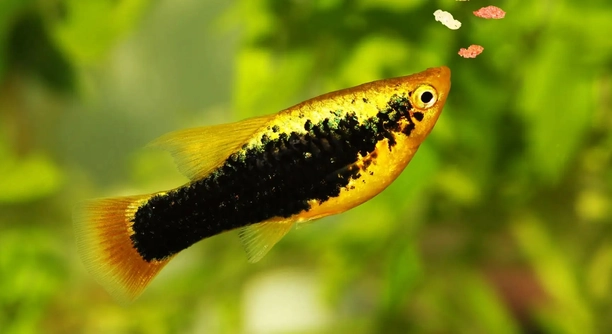
Many aquarium owners notice their platies flashing, a behavior that can be puzzling and concerning. Flashing refers to the fish rubbing or scraping their bodies against objects in the tank. This action can signal different health or environmental issues that require attention.
Platy flashing is usually caused by irritation from parasites, poor water quality, or physical injury. Other possible causes include stress, inadequate diet, or aggressive tank mates. Identifying the root cause is essential for proper treatment and maintaining a healthy aquarium environment.
Understanding the reasons behind flashing can help you take timely action and improve your platy’s well-being in the tank.
Parasites and External Irritations
Parasites are a common reason why platies start flashing. These tiny organisms can attach to the fish’s skin or gills, causing discomfort and itching. When a platy rubs itself against tank surfaces, it’s trying to relieve this irritation. Common parasites include ich, flukes, and anchor worms, which may be hard to see with the naked eye. Regular tank checks and water tests help catch these issues early. If parasites are found, treatment with appropriate medication is needed to clear them. Keeping the tank clean and avoiding overcrowding also reduces the risk. Watching for other signs like clamped fins, lethargy, or white spots can confirm parasite problems. Acting quickly is important because parasites can weaken your fish and lead to other health complications. Routine observation and tank maintenance are key to preventing infestations and keeping your platies comfortable.
Parasites cause itching and discomfort, prompting platies to flash. Treatment and clean water are necessary to resolve these issues.
Knowing how parasites affect platies helps you recognize early signs and take action. Proper medication and tank care restore your fish’s health and prevent future irritation.
Poor Water Quality
Poor water quality is another common reason for flashing behavior. High levels of ammonia, nitrites, or nitrates irritate fish skin and gills. Sudden changes in temperature or pH can also stress your platy, causing it to flash more often. Keeping the water clean and stable is essential for their health. Regular water testing is a simple way to ensure the tank remains safe. Partial water changes help remove harmful substances and keep conditions balanced. Using a good filtration system will maintain water clarity and remove toxins. Avoid overfeeding as leftover food can pollute the water. When water quality is poor, platies may also show signs like gasping at the surface or hiding. Fixing these issues quickly creates a healthier environment and reduces flashing. Monitoring water parameters should be part of your regular tank care routine to prevent stress and disease.
Maintaining clean and stable water reduces irritation and stress in platies, preventing flashing behavior.
Water quality problems often arise from poor filtration, infrequent water changes, or sudden parameter shifts. Ammonia and nitrite buildup irritate fish skin, leading to flashing. Stress from unstable conditions makes fish vulnerable to disease. Frequent testing with water kits is vital to track tank health. If levels are high, immediate water changes and filter cleaning are needed. Gradual changes in temperature and pH prevent shock. Overfeeding and decaying food increase waste, so feed sparingly and remove leftovers. Providing a well-maintained environment supports your platy’s immune system, reducing the chance of irritation. Regular attention to water quality keeps your aquarium balanced, promoting fish comfort and preventing flashing behavior.
Physical Injury or Damage
Physical injury can cause platies to flash as they try to soothe irritated or damaged skin. Sharp decorations or rough tank surfaces may cause scratches or wounds. Handling during tank cleaning or moving fish can also lead to injuries.
Injuries disrupt the fish’s protective slime coat, making them more vulnerable to infections. When a platy is hurt, it often rubs against objects to relieve discomfort. Observing the tank closely for sharp edges or aggressive tank mates helps prevent harm. If you spot wounds, isolating the injured fish in a quarantine tank can aid recovery. Adding aquarium salt may reduce stress and support healing. Keeping the tank clean and stable reduces the risk of secondary infections after an injury.
Minor injuries often heal quickly if water conditions are ideal and the fish is protected from further harm. However, deep wounds require prompt attention to prevent bacterial or fungal infections. Avoid overcrowding and monitor interactions between fish to reduce physical damage. Regularly inspecting tank decorations for sharp points is a simple but effective way to protect your platies. Taking these precautions helps maintain a safe and comfortable environment for all your fish.
Stress and Aggression
Stress can lead to flashing in platies, especially when tank conditions or social dynamics change suddenly. Overcrowding, aggressive tank mates, or loud noises may cause stress. Stressed fish often flash as a sign of discomfort or irritation.
Stress weakens the immune system, making fish more prone to illness and parasites. If your platy is flashing, check for aggressive behavior from other fish. Providing plenty of hiding spaces and ensuring proper tank size can reduce stress. Keep tank conditions stable and avoid sudden changes in lighting or water parameters. Feeding a balanced diet also supports their health. Reducing stress improves overall well-being and limits flashing caused by irritation or anxiety. Watching for signs of bullying or chasing can help you address aggression early.
Aggressive fish or overcrowded tanks increase competition and stress levels for platies. Dominant fish may chase or nip, causing injuries or irritation that trigger flashing. Ensuring a peaceful community with compatible species minimizes this problem. Rearranging tank decorations occasionally can help disrupt territorial behavior and reduce fights. Separating aggressive fish or upgrading to a larger tank gives platies more space to escape threats. Managing stress through environment and social balance is essential for preventing flashing and keeping your fish healthy.
Inadequate Diet
An inadequate diet can cause health problems that lead to flashing. Platies need a balanced mix of proteins, vitamins, and minerals. Poor nutrition weakens their immune system, making them more sensitive to irritation and disease.
Feeding only one type of food or low-quality flakes can cause nutritional gaps. Including a variety of foods like pellets, frozen or live brine shrimp, and vegetables helps maintain their health and reduces flashing.
Water Temperature Fluctuations
Sudden changes in water temperature stress platies and can trigger flashing. Stable temperatures between 72°F and 78°F are ideal. Avoid placing the tank near heaters, air conditioners, or drafts.
Poor Tank Maintenance
Neglecting tank cleaning and water changes leads to poor water quality, which causes irritation and flashing. Regular maintenance keeps the environment safe and healthy for platies.
Why is my platy flashing but not showing other symptoms?
Flashing without other symptoms often means mild irritation, possibly from small parasites or minor water quality issues. It can also be a reaction to rough surfaces or tank decorations. Keep observing your platy closely and test the water to catch any early problems before they worsen.
How can I tell if flashing is caused by parasites?
Look for additional signs like white spots (ich), red patches, clamped fins, or rapid breathing. Parasites usually cause persistent flashing along with other symptoms. If you suspect parasites, treating with anti-parasitic medication and isolating the fish can help.
What water parameters should I monitor to prevent flashing?
Check ammonia, nitrite, nitrate, pH, and temperature regularly. Ammonia and nitrite should be zero, nitrate below 20 ppm, pH between 6.8 and 8, and temperature stable between 72°F and 78°F. Sudden changes in these can irritate your platy’s skin and cause flashing.
Can flashing be caused by stress alone?
Yes. Stress from overcrowding, aggressive tank mates, or sudden changes in the environment can make platies flash. Providing hiding spots, maintaining proper tank size, and keeping a peaceful community help reduce stress-related flashing.
How often should I clean my tank to avoid flashing issues?
Regular partial water changes every one to two weeks help keep water clean and safe. Remove uneaten food and waste often. Clean your filter as needed but avoid over-cleaning it to preserve beneficial bacteria.
Is flashing harmful to my platy?
Flashing itself is a symptom, not a disease. If caused by irritation, parasites, or poor water, it can lead to infections or other health problems if ignored. Identifying and fixing the cause quickly prevents long-term harm.
What should I do if my platy flashes after adding new tank mates?
New fish can introduce stress or parasites. Quarantine new arrivals for two weeks before adding them to your tank. Monitor all fish closely and maintain excellent water quality to reduce flashing from stress or infection.
Can diet improve flashing issues?
Yes. A varied diet rich in vitamins and proteins strengthens your platy’s immune system. High-quality flakes, frozen foods, and fresh vegetables support skin health and reduce irritation that causes flashing.
How can I treat flashing caused by parasites?
Use appropriate anti-parasitic treatments based on the parasite type. Follow instructions carefully and isolate the infected fish if possible. Maintain clean water and monitor the tank to prevent reinfestation.
Is flashing normal behavior sometimes?
Occasionally, platies may flash gently when exploring or rubbing to clean themselves, but frequent or intense flashing usually signals a problem. Regular observation helps distinguish normal behavior from signs of distress.
Can flashing indicate aggressive behavior from other fish?
Yes. Flashing can result from nips or scratches caused by aggressive tank mates. Watch for chasing or bullying and separate aggressive fish if needed to protect your platies.
What role does tank decoration play in flashing?
Sharp or rough decorations can irritate your platy’s skin and cause flashing. Smooth, fish-safe decorations reduce injury risk. Regularly inspect your tank to ensure all surfaces are safe.
Are there specific medications recommended for flashing platies?
Medication depends on the cause. For parasites, anti-parasitic treatments work. For bacterial infections, antibiotics may be needed. Always diagnose the problem first and avoid unnecessary medication to prevent stress.
Can poor lighting cause flashing?
Improper lighting can stress fish, but it rarely causes flashing directly. However, sudden changes in light intensity or duration might contribute to stress-related flashing. Keep lighting stable and suited to your tank setup.
How long does flashing usually last?
If flashing is due to minor irritation or stress, it may stop within a few days after fixing the problem. Parasite or infection-related flashing can last longer and requires treatment. Persistent flashing signals a need for closer attention.
Flashing in platies is a common behavior that usually means the fish is uncomfortable or irritated. It can be caused by many things like parasites, poor water quality, injuries, or stress. Recognizing why your platy is flashing is important because it helps you take the right steps to fix the problem. Sometimes flashing is a mild issue that resolves quickly, but other times it signals a bigger health concern. Paying attention to your fish’s behavior and the tank conditions will keep your platies healthier and happier.
Keeping your aquarium clean and stable is one of the best ways to prevent flashing. Regular water changes, testing water quality, and cleaning the tank reduce irritants that bother your fish. Also, maintaining a balanced diet supports their immune system and helps protect them against infections. Providing a safe environment without sharp decorations or aggressive tank mates lowers the chance of injury or stress, which can also cause flashing. Small efforts in daily care can make a big difference in how comfortable your platies feel.
If flashing continues despite your care, it may be time to seek advice or treatment. Sometimes parasites or infections need medication to clear up. Quarantining sick fish can prevent the problem from spreading. Watching your fish closely for other signs like spots, changes in color, or unusual swimming helps you act quickly. Flashing is a signal, and understanding it gives you the chance to improve your platy’s health and environment. With good care and attention, flashing can often be stopped, and your fish will thrive.

Hello,
If you enjoy the content that we create, please consider saying a "Thank You!" by leaving a tip.
Every little bit helps us continue crafting quality advice that supports the health, happiness, and well-being of pets around the world, for pets of all shapes, sizes, and species.
We really appreciate the kindness and support that you show us!