
Have you ever set up a small aquarium and thought about keeping just one colorful platy fish to brighten it up?
Keeping a single platy is possible, but it is not ideal. Platys are social fish that thrive in groups, and living alone may lead to stress, boredom, or health issues due to lack of interaction.
Understanding the natural behavior of platys will help you decide what’s best for your fish and your aquarium setup.
Why Platys Prefer Companionship
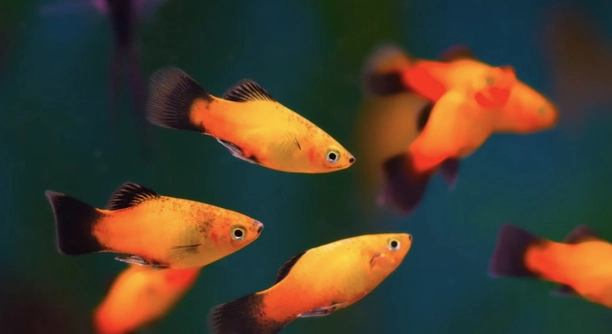
Platys are peaceful and social fish that usually enjoy living in groups. In the wild, they naturally form shoals for safety and interaction. When kept alone in a tank, a platy may become less active, spend more time hiding, or show signs of stress. These fish use subtle behaviors to communicate with others of their kind, and without tankmates, those needs often go unmet. While they don’t form strong bonds like some animals, being around other fish of similar size and temperament helps them feel secure. If you’re thinking of keeping just one platy due to space or budget, it’s still important to consider their social nature. Even having just two or three platys can make a big difference in their behavior and overall health. A calm, active platy is usually one that feels comfortable in its surroundings and has proper companionship.
Keeping one platy might seem easier, but it often leads to stress-related issues over time.
If you do decide to keep a single platy, make sure the tank has plenty of plants, hiding spots, and enrichment. These can help reduce boredom and create a more engaging space. Still, social interaction is hard to replace, even with a well-decorated tank.
Risks of Keeping Just One Platy
A solo platy might survive, but it likely won’t thrive.
When a platy lives alone, it may appear fine at first but gradually show changes in behavior or appetite. Stress can cause fish to become lethargic, lose their bright color, or fall ill more easily. Unlike schooling fish, platys don’t need large groups, but at least two or three allow them to express natural behaviors. Single platys might interact with their reflections or tank decorations, but it’s not the same as engaging with real tankmates. Also, without another fish around, it’s harder to notice signs of abnormal behavior. Many fish owners only realize something’s wrong when it’s too late. Pairing your platy with others helps create a more balanced and alert environment. If adding more platys isn’t possible, consider peaceful tankmates like guppies or mollies. These can provide the social interaction a platy craves without overcrowding your tank. A calm tank with compatible fish is key to a healthy, active platy.
How to Help a Single Platy Feel Comfortable
If you can only keep one platy, create a setup that keeps it engaged and at ease. Start with a minimum tank size of 10 gallons to give enough swimming space.
Use plants, both real and artificial, to provide hiding spots and visual interest. Smooth rocks, driftwood, and ornaments help break the line of sight and make the tank feel less empty. Keep the water clean and stable with regular testing and changes. A consistent environment reduces stress and helps your platy feel safe. Add a gentle filter and heater to maintain steady water flow and temperature. Feeding small amounts twice a day with varied food like flakes, frozen brine shrimp, or daphnia can also help keep your fish healthy and active. Observe your platy regularly for signs of stress or illness, and adjust the tank setup if needed.
Providing stimulation through tank layout changes every few weeks can also help reduce boredom. Move plants or decorations slightly to create a sense of new space. Avoid sudden changes that could stress the fish. Adding a mirror for short periods can mimic interaction but should not be used constantly, as it may increase aggression or stress over time. Simple adjustments like this can make a noticeable difference.
Tank Mates for a Solo Platy
Peaceful tank mates are a good option if you can’t get more platys. Guppies, mollies, and small tetras usually do well with them.
Before choosing tank mates, make sure the water parameters match. Platys prefer warm, slightly alkaline water. Guppies and mollies need similar conditions, which makes them easy to keep together. Avoid aggressive or fast-swimming species that may chase or stress your platy. Keep an eye on tank behavior during the first few days after adding new fish. Even peaceful species can show territorial behavior at first. Always introduce new fish gradually, and don’t overcrowd the tank. A 20-gallon setup gives more flexibility for adding companions. If you want more variety, bottom dwellers like corydoras catfish can share space without competing directly. These fish add movement to other parts of the tank and help keep leftover food from building up. Peaceful community fish can make a noticeable difference in your platy’s overall behavior and health.
Signs a Single Platy Is Stressed
Lethargy, hiding, or loss of appetite can all be signs your platy is not doing well alone. These changes may happen slowly and are easy to miss if you’re not watching closely.
Other signs include faded color, unusual swimming patterns, or staying near the bottom of the tank.
When It’s Best to Add More Platys
If your platy shows ongoing signs of stress despite a well-set tank, it may be time to add companions. Even just one or two additional platys can help. They usually adapt quickly to new tank mates if the space is properly managed. Always quarantine new fish before adding them to avoid spreading illness. Watch closely during the first week to make sure everyone is getting along. Choose platys of similar size and temperament to avoid any pecking order issues. A small group of platys tends to bring out natural behaviors, making the tank more active and balanced. Group life is often better for their health and long-term comfort.
Final Thoughts on Keeping One Platy
Keeping a single platy is possible, but it takes extra effort to keep them active and comfortable in the long run.
Can a single platy live happily on its own?
A single platy can survive alone, but it usually won’t be as happy or healthy as one kept with others. Platys are social fish and prefer company to feel secure. Without tankmates, they may become bored or stressed, which can affect their behavior and health. Providing plenty of hiding spots and stimulation can help, but it won’t replace natural social interaction.
How many platys should be kept together?
Ideally, keep at least three platys together. This small group helps them display natural behaviors and reduces stress. Groups of three or more also create a more balanced social environment, preventing one fish from becoming overly dominant or lonely. A larger group may need a bigger tank, but it promotes healthier, more active fish overall.
What tank size is suitable for a single platy?
A minimum 10-gallon tank is recommended for a single platy. This provides enough space for swimming and hiding. If you plan to add more fish later, a larger tank (20 gallons or more) is better. Good water quality and stable conditions are more important than tank size alone.
Can other fish replace platys as companions?
Yes, peaceful fish like guppies, mollies, or small tetras can be good tankmates for platys. These species share similar water needs and temperaments, which reduces stress. Avoid aggressive or much larger fish, as they can intimidate or harm platys. Always monitor interactions closely after introducing new tankmates.
What are signs of stress in a platy?
Stress signs include hiding, reduced appetite, faded color, erratic swimming, or staying at the tank bottom. These behaviors may worsen if the fish remains isolated or if water quality is poor. Catching stress early and improving tank conditions or adding companions can help your platy recover.
Is it okay to keep a platy with a mirror for company?
Using a mirror can stimulate a single platy briefly, but it’s not a replacement for real companions. Continuous exposure to its reflection may cause frustration or aggression. Use mirrors sparingly and only for short periods if needed.
What should I feed a single platy?
Feed a varied diet twice a day, including high-quality flakes, frozen or live foods like brine shrimp or daphnia. A balanced diet supports their health and energy levels, especially if they have less social stimulation. Avoid overfeeding, as this can harm water quality and fish health.
How often should I clean the tank for a single platy?
Regular water changes, about 25% weekly, help keep water clean and stable. Even in small setups, maintaining good water quality is crucial to prevent stress and illness. Monitor ammonia, nitrite, and nitrate levels frequently, especially with only one fish whose waste might be minimal but still impactful.
Can a single platy breed?
A single female platy cannot breed without a male. Males and females together will breed often, producing fry regularly. If you want to avoid breeding, keep only one gender or ensure you have only one platy. Breeding can increase tank population quickly and requires extra care.
What are common health problems for a single platy?
Loneliness and stress can weaken a platy’s immune system, making it more susceptible to diseases like ich or fin rot. Poor water quality also contributes to health problems. Keeping the tank clean, stable, and providing companionship reduces these risks and helps maintain a healthy fish.
Keeping a single platy is possible, but it requires careful attention to their needs. Platys are naturally social fish, and living alone may cause stress or boredom. Without the company of other platys or similar fish, they might not show their full, active personality. This can lead to changes in behavior, such as hiding more often or eating less. To help a single platy feel comfortable, it is important to create a tank environment that offers plenty of hiding places and stimulation. Plants, decorations, and a stable, clean tank can make a big difference. However, even the best tank setup may not fully replace the social benefits that come from living with others.
If you choose to keep only one platy, be prepared to watch closely for signs of stress or illness. Stress can weaken a fish’s immune system, making it more vulnerable to diseases. Paying attention to behavior changes like loss of appetite, dull colors, or sluggishness will help you act early. Regular tank maintenance, such as water changes and monitoring water quality, is essential for keeping your fish healthy. Feeding a balanced diet and maintaining a consistent schedule can also improve your platy’s wellbeing. Remember, even small changes in the tank’s environment can affect your fish, so try to keep things stable and avoid sudden disturbances.
While keeping a single platy can work, adding one or two more platys is generally better for the fish’s health and happiness. A small group allows them to interact and express natural behaviors, which helps reduce stress and increases activity levels. If space or budget is limited, peaceful tankmates like guppies or mollies can also provide social benefits. Overall, understanding the social nature of platys and their basic care needs will help you create the best environment for your fish, whether you keep one or more. Your attention and care are the most important factors in making sure your platy thrives.

Hello,
If you enjoy the content that we create, please consider saying a "Thank You!" by leaving a tip.
Every little bit helps us continue crafting quality advice that supports the health, happiness, and well-being of pets around the world, for pets of all shapes, sizes, and species.
We really appreciate the kindness and support that you show us!