
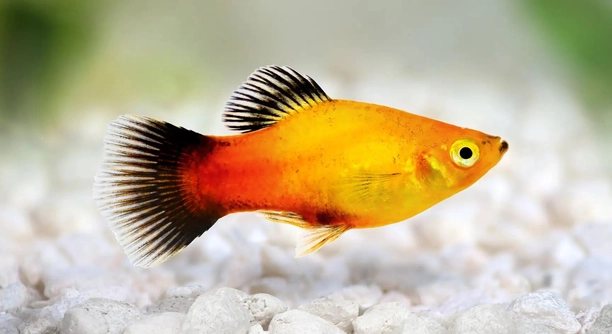
Do you have a platy fish tank and wonder if they prefer dense plant growth? Platies are popular freshwater fish that many keep for their vibrant colors and peaceful nature. Their environment can greatly influence their behavior and wellbeing.
Platies generally thrive in tanks with moderate to heavy planting. Dense vegetation offers shelter, breeding areas, and helps maintain water quality. Heavily planted tanks mimic their natural habitats, reducing stress and promoting healthier, more active fish.
Understanding how plants affect platies can improve your tank setup and fish care. This article explores the benefits and considerations of heavily planted tanks for platies.
Why Platies Benefit from Heavily Planted Tanks
Heavily planted tanks offer several advantages for platies. Plants provide natural hiding spots, which help reduce stress, especially when the fish feel threatened or during breeding. The greenery also helps maintain water quality by absorbing nitrates and producing oxygen, creating a healthier environment. Additionally, plants offer surfaces for beneficial bacteria to grow, which further improves water conditions. Platies also like to nibble on some types of plants, which adds variety to their diet. Dense planting mimics their natural habitat, making them feel more comfortable and secure. This results in more active and vibrant fish. In short, a well-planted tank supports platies’ physical health and mental wellbeing, making them more likely to thrive in captivity.
Dense vegetation creates a balanced ecosystem inside the tank. This helps maintain stable water parameters and reduces the chance of sudden changes that can harm platies.
Setting up a heavily planted tank involves choosing the right plants, lighting, and substrate. Fast-growing plants like hornwort and water wisteria are ideal because they quickly establish coverage and improve water quality. You should also add slow-growing plants like anubias for long-term stability. Ensuring proper light and nutrients supports plant health and growth. Regular trimming prevents overcrowding and maintains swimming space for your platies. With this balance, the tank stays healthy, and your fish enjoy a natural, comfortable environment.
Ideal Plants for a Platy Tank
Selecting plants that are easy to care for ensures a successful planted tank. Hardy plants such as Java fern, Amazon sword, and crypts work well. They tolerate a range of conditions and require minimal maintenance. These plants provide dense foliage and good hiding spaces.
Java fern, Amazon sword, and crypts are good choices for beginner aquarists who want a stable platy environment.
Some plants require more attention but add diversity. Floating plants like duckweed help diffuse light and reduce algae growth. Mosses such as Java moss can be attached to decorations, creating natural shelters. Combining various plant types creates layers in the tank, offering different areas for platies to explore. This variety stimulates natural behaviors and supports their overall health. Selecting a mix of easy-care and moderate-care plants strikes a good balance between aesthetics and functionality.
Maintaining a Healthy Planted Tank
Regular maintenance is essential to keep a planted tank healthy for platies. This includes trimming plants, testing water parameters, and cleaning the substrate. Proper care prevents algae overgrowth and ensures plants stay vibrant, benefiting the fish’s environment.
Trimming plants prevents overcrowding, which can reduce swimming space and limit light penetration. Removing dead leaves and debris keeps the tank clean and reduces waste buildup. Regular water testing helps track ammonia, nitrite, nitrate, and pH levels to avoid sudden changes that stress platies. Keeping the substrate clean by gentle vacuuming removes excess food and waste without disturbing plant roots. Together, these steps maintain a stable environment that supports both plant growth and fish health.
Fertilizing the plants appropriately is also important. Liquid fertilizers provide essential nutrients that might not be present in the water. Using root tabs supports heavy root feeders like Amazon swords. Balancing light duration with fertilization avoids algae blooms, keeping the tank in optimal condition. Regular care fosters a thriving planted tank where platies can flourish.
Feeding and Behavior in Planted Tanks
Platies are omnivores and enjoy a varied diet that complements the plants in their tank. Live or frozen foods like brine shrimp and daphnia add protein, while flake and pellet foods supply essential nutrients. Plants in the tank can also offer occasional grazing opportunities.
A balanced diet supports platies’ vibrant colors and active behavior. Dense plants provide hiding places, encouraging natural social interaction and reducing aggression. When platies feel safe, they display more lively swimming and playful activity. Overfeeding can cause water quality issues, so feeding small amounts twice daily is ideal. Plant matter such as algae and soft leaves supplement their diet and mimic natural foraging behavior.
Observing platy behavior helps detect stress or illness early. Healthy platies will explore the planted areas and often rest among the leaves. If fish hide excessively or show lethargy, water quality or tank conditions may need adjustment. Maintaining a planted tank with proper feeding routines creates a balanced habitat where platies thrive both physically and mentally.
Lighting Needs for Platy Tanks
Platies do well under moderate lighting that supports plant growth without causing excessive algae. Too much light can stress the fish and lead to algae problems. A balanced light cycle of 8 to 10 hours daily works best.
Using a timer helps maintain consistent lighting. This supports healthy plants and stable fish behavior by mimicking natural day and night cycles.
Tank Size and Space Considerations
A minimum tank size of 20 gallons is recommended for platies in planted setups. This provides enough room for swimming and plant growth. Overcrowding should be avoided, as it increases stress and decreases water quality.
Choosing the right tank size allows for a healthy environment where plants and fish coexist without competition for space. Proper space ensures platies remain active and comfortable in their habitat.
Water Parameters for Platies in Planted Tanks
Platies thrive in water with a temperature between 70°F and 78°F, a pH of 6.8 to 8.0, and moderate hardness. Stable water conditions are important for their health and for supporting plant growth.
Compatible Tank Mates
Platies are peaceful and do well with other non-aggressive fish. Suitable tank mates include tetras, guppies, and Corydoras catfish, which share similar water needs and temperaments.
FAQ
Do platies need plants to survive?
Platies do not absolutely need plants to survive, but plants greatly improve their quality of life. Plants provide shelter, reduce stress, and create a natural environment that helps platies feel safe. Without plants, platies can still live, but they may show more signs of stress and be less active.
Can platies eat live plants?
Yes, platies sometimes nibble on soft, live plants as part of their diet. They prefer tender leaves over tough or spiky ones. Including hardy plants that tolerate occasional nibbling is important. Providing additional food ensures they don’t damage plants excessively.
What are the best plants to grow with platies?
Plants like Java fern, Amazon sword, and Anubias are great because they are hardy and don’t require intense care. Floating plants such as duckweed also help by shading the tank and providing extra cover. Fast-growing plants like hornwort improve water quality quickly and are well suited to platy tanks.
How often should I trim plants in a platy tank?
Trimming should happen regularly, about every two weeks or when plants start to overcrowd the tank. Removing excess growth keeps the tank from becoming too dense, which can reduce swimming space and limit light to lower plants. Trimming also helps keep the tank clean and prevents dead leaves from decomposing.
Will plants help improve water quality for platies?
Yes, plants help improve water quality by absorbing nitrates and producing oxygen during photosynthesis. They provide surfaces for beneficial bacteria that break down waste. Healthy plants reduce toxins in the water and create a more stable environment for platies, which leads to healthier fish overall.
How much light do planted tanks for platies need?
Moderate lighting for about 8 to 10 hours daily is ideal. Too much light encourages algae growth and can stress fish. Using a timer helps maintain consistent lighting. Low to medium light plants are best suited to this setup to keep conditions balanced.
Can I keep platies with other fish in a planted tank?
Platies are peaceful and get along well with other non-aggressive fish. Suitable tank mates include small tetras, guppies, and Corydoras catfish. These species share similar water conditions and will not bother platies, creating a harmonious community tank.
How big should my platy tank be?
A minimum of 20 gallons is recommended for a small group of platies in a planted tank. This size provides enough swimming space and room for plants to grow. Larger tanks make it easier to maintain stable water conditions and reduce stress among the fish.
What water parameters suit platies best in planted tanks?
Platies prefer temperatures between 70°F and 78°F, a pH of 6.8 to 8.0, and moderate water hardness. Keeping parameters stable is important for both fish health and plant growth. Frequent testing helps catch any changes early to prevent problems.
How often should I feed platies in a planted tank?
Feeding small amounts twice daily is sufficient. Overfeeding can pollute the water and harm both plants and fish. A varied diet including flakes, pellets, and occasional live or frozen foods helps platies stay healthy and colorful.
Do platies breed in heavily planted tanks?
Yes, heavily planted tanks provide ideal conditions for breeding. Plants offer safe hiding spots for fry and reduce stress on adults. Dense vegetation increases the chances of successful breeding and survival of the young fish.
What problems might arise in a heavily planted platy tank?
Common issues include algae growth, overcrowding, and poor water circulation if plants become too dense. Regular maintenance like trimming, water changes, and monitoring water quality helps prevent these problems. Proper balance between plants and fish keeps the tank healthy.
Can platies live in tanks without live plants?
They can live without live plants but won’t thrive as well. Lack of plants means less cover, fewer natural behaviors, and potentially higher stress. Artificial plants don’t provide the same water quality benefits, so live plants are strongly recommended for their wellbeing.
Are there any plants platies might damage?
Platies tend to avoid tough or spiny plants but may nibble on softer ones. Very delicate plants can be damaged if platies are hungry or if other food is insufficient. Choosing hardy plants like Java fern or Anubias minimizes damage.
How do I prevent algae in a planted platy tank?
Balancing light duration and nutrient levels is key. Avoid overfeeding and remove dead plant matter regularly. Introducing algae eaters like snails or small fish can help control algae naturally. Consistent maintenance keeps algae from overtaking the tank.
Is CO2 injection necessary for a platy planted tank?
CO2 injection is not necessary for most platy tanks with low to medium light plants. It can enhance plant growth but adds complexity. For beginners or low-tech setups, healthy growth is achievable without CO2 supplementation by choosing suitable plants and proper care.
Platies generally do well in tanks that have plenty of plants. Heavily planted tanks offer many benefits, such as providing hiding spots, improving water quality, and creating a natural environment similar to their habitat in the wild. These factors help reduce stress for platies and encourage healthy behavior. When platies feel secure and comfortable, they tend to be more active, show brighter colors, and live longer. Setting up a planted tank requires some effort, but the results are rewarding both for the fish and the tank keeper.
Maintaining a heavily planted tank involves regular care to keep the plants healthy and the environment stable. This means trimming plants when they grow too dense, testing water regularly, and cleaning the substrate to prevent buildup of waste. Proper lighting is also important but should not be too intense to avoid algae problems. Feeding platies a balanced diet along with the natural plant material in the tank helps keep them in good condition. Choosing the right plants, such as Java fern or Amazon sword, makes the process easier since these plants are hardy and low maintenance.
While platies can survive without many plants, they thrive best in an environment that offers natural cover and clean water. Plants not only benefit the fish but also create a more visually pleasing aquarium. Taking the time to create and maintain a heavily planted tank results in a healthier, happier space for platies. This approach also allows you to enjoy watching natural fish behavior and appreciate the balance of a well-kept aquatic environment. Overall, heavily planted tanks are a good choice for platy owners looking to provide the best possible home for their fish.

Hello,
If you enjoy the content that we create, please consider saying a "Thank You!" by leaving a tip.
Every little bit helps us continue crafting quality advice that supports the health, happiness, and well-being of pets around the world, for pets of all shapes, sizes, and species.
We really appreciate the kindness and support that you show us!