
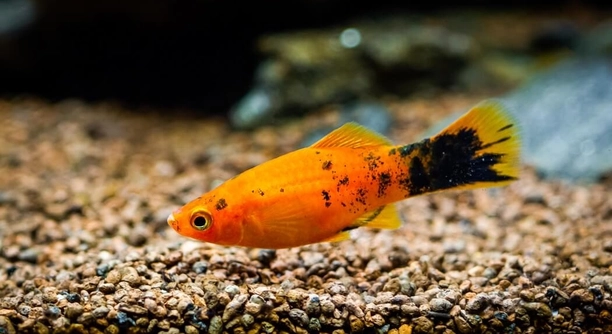
Have you ever kept a peaceful tank and started thinking about adding shrimp to your platy community? These tiny creatures can be quite tempting for any aquarist looking to diversify their setup without too much hassle.
Platies can live with shrimp, but success depends on tank conditions, hiding spaces, and the shrimp species. Larger or aggressive platies may nip or eat smaller shrimp, especially babies. Proper planning reduces risk and promotes peaceful cohabitation.
Creating a balanced tank takes a bit of knowledge, especially when mixing species with different behaviors and needs.
What to Expect When Keeping Platies with Shrimp
Platies and shrimp can share a tank, but some risks are involved. Platies are active and curious fish, while shrimp are small and vulnerable, especially right after molting. If the shrimp are too small or the tank is too open, they can be seen as food. Cherry shrimp and ghost shrimp are popular choices, but only adult shrimp usually stand a chance in a platy tank. Baby shrimp are often eaten unless there’s plenty of cover. A planted tank with moss, rocks, and driftwood helps the shrimp hide and feel safe. Also, tank size plays a role—larger tanks give both species more space to avoid each other. Feeding habits matter too. Keeping your platies well-fed reduces the chance of them bothering the shrimp. If you set up the tank properly and observe their behavior regularly, it is possible to maintain a balanced environment for both species to thrive peacefully.
Shrimp bring variety and help clean the tank, but they need proper conditions. Don’t add them until the tank is stable and cycled.
Shrimp are sensitive to water changes, and their survival depends on consistency. Avoid sudden shifts in temperature or pH. Shrimp do best with stable water parameters, low nitrates, and regular maintenance. Feeding both shrimp and platies with appropriate food helps reduce aggression. You can offer algae wafers and blanched vegetables for shrimp while giving your platies high-quality flakes or pellets. Choose peaceful platy strains, and avoid overstocking the tank. Keep an eye on shrimp numbers and behavior. If they hide constantly or disappear, you may need to separate them or add more hiding spots. Many aquarists keep shrimp colonies in separate tanks, especially when breeding is the goal. But with careful planning and the right tank setup, you can enjoy the benefits of having both platies and shrimp together. It’s all about creating a calm, structured space where both species can feel secure and thrive without too much stress.
Best Tank Setup for Platies and Shrimp
Use a tank that’s at least 20 gallons, fully cycled, with stable water parameters. Add live plants, moss, and hiding spots like rocks or driftwood. Shrimp need quiet areas to retreat, especially during molting or breeding.
Choose a gentle filter like a sponge or a low-flow hang-on-back filter to avoid sucking in small shrimp. Live plants such as java moss, anubias, and hornwort give shrimp natural shelter and help maintain water quality. Substrate choice also matters—fine gravel or sand is ideal for both species. Lighting should not be too harsh; shrimp can be shy under bright lights. A heater keeps the temperature stable between 72–78°F, which suits both platies and shrimp. Avoid sudden temperature drops. Keep pH between 6.8 and 7.8. Regular water changes are important, but always match the new water’s parameters closely to avoid shocking the shrimp. Add shrimp-safe water conditioner to neutralize any harmful chemicals.
Driftwood and moss help baby shrimp survive, giving them places to hide from hungry platies. The more complex the layout, the better the shrimp’s chances. You don’t need to overdo the decorations—just provide enough cover across the tank. Avoid overcrowding the space with too many fish or shrimp. Overstocked tanks raise ammonia levels quickly and lead to stress or illness. Try not to mix too many different species in one tank, as this can cause competition for space and food. Stick to a manageable number of platies and shrimp. Watching how they interact will help you adjust your setup as needed. A balanced tank supports better behavior and less stress overall.
Feeding Both Platies and Shrimp Safely
Shrimp are scavengers but still need consistent feeding. Supplement their diet with algae wafers, blanched spinach, or shrimp pellets. Platies should get high-quality flakes or pellets, plus the occasional treat like bloodworms or brine shrimp.
Overfeeding causes water quality issues, especially in tanks with shrimp. Uneaten food leads to spikes in ammonia and nitrates, which shrimp cannot handle well. Feed in small amounts and remove leftovers after a couple of hours. You can feed shrimp and platies at the same time but in different tank areas. This reduces the chance of platies outcompeting shrimp for food. Feeding at night occasionally helps shrimp eat undisturbed since platies are less active in the dark. If using commercial shrimp food, make sure it’s free of copper. While small traces are safe for platies, copper can be harmful to shrimp. Monitor how quickly food is eaten and adjust feeding amounts based on their behavior.
Feeding can also influence how well the two species get along. A hungry platy is more likely to nip at slow-moving shrimp or explore hiding spots where shrimp feel safe. Keeping them full helps prevent this behavior. Use feeding rings or specific spots to control where food lands. Place shrimp food near dense plant areas where they naturally gather. Platies prefer open spaces, so aim their food toward the front or center of the tank. Consistent feeding routines help build a predictable environment, which is comforting for shrimp. The goal is to make sure both species eat well without interfering with each other or creating unnecessary stress.
Common Problems to Watch For
Platies may chase or nip at shrimp, especially if the tank is too small or lacks hiding spots. This can stress the shrimp and cause them to hide constantly or stop breeding.
Shrimp may disappear if water parameters shift or if platies see baby shrimp as food. Monitor the tank closely.
Choosing the Right Shrimp Species
Larger or fast-moving shrimp tend to do better with platies. Amano shrimp are a great choice—they’re big enough not to be harassed and help control algae. Ghost shrimp can also work, though their survival rate is lower in aggressive tanks. Cherry shrimp are colorful and popular, but their small size makes them more vulnerable, especially when molting or breeding. If you’re set on keeping cherry shrimp, provide lots of moss and cover. Avoid mixing shrimp species in a small tank, as this can cause competition. Stick to one type and make sure the group is large enough to feel secure.
Breeding Shrimp in a Platy Tank
Raising baby shrimp in a community tank is tricky. Most will get eaten unless the tank has dense cover.
FAQ
Can platies eat shrimp?
Yes, platies can and often will eat shrimp, especially baby or newly molted ones. Adult shrimp may be left alone if the platies are well-fed and the tank has enough hiding spots. However, if the tank is overcrowded or the platies are aggressive, even adult shrimp may be chased or injured. This is why shrimp survival rates are much higher in planted tanks with moss, rocks, and crevices where they can hide. If you plan to breed shrimp in a platy tank, expect to lose most of the babies unless you offer very dense cover.
What shrimp are safest with platies?
Amano shrimp are generally the safest option. Their larger size and faster movements help them avoid harassment from platies. Ghost shrimp are another option, but they’re less hardy and often used as feeder shrimp, so survival rates vary. Cherry shrimp are the most sensitive. They’re smaller and brightly colored, which makes them easier targets. If you want to try cherry shrimp with platies, make sure your tank is fully planted and has a low fish-to-space ratio. It’s also better to start with adult shrimp rather than juveniles when introducing them to a platy tank.
Do shrimp clean up after platies?
Yes, shrimp help clean the tank by eating leftover food, algae, and decaying plant matter. They act like mini janitors and can make a difference in keeping the tank clean. However, they can’t handle all the waste alone. You still need a proper filter, weekly water changes, and careful feeding. Overfeeding platies will still lead to water issues, so don’t rely on shrimp alone to fix that. Shrimp are better as part of the cleanup crew, not the main solution. They’re especially good at reaching small corners and areas where waste tends to settle.
Will shrimp overpopulate a platy tank?
In most cases, no. Platies naturally keep the shrimp population in check by eating the babies. If you have a heavily planted tank and few platies, then shrimp may breed more successfully. But in a typical mixed tank, it’s rare for shrimp to overpopulate. If your shrimp colony is growing faster than expected, you can always move some to another tank or give them away. Adding more platies or reducing hiding spots may also lower the shrimp’s breeding success. Managing the population depends on the tank’s layout and how many adult shrimp survive long enough to reproduce.
Do platies and shrimp need different water conditions?
Not really. Both do well in similar freshwater conditions, which is why they’re often kept together. The ideal temperature range is 72–78°F, and both prefer slightly alkaline water with a pH between 6.8 and 7.8. Ammonia and nitrites should be zero, and nitrates should stay low. The main concern is copper—platies can handle trace amounts, but shrimp are very sensitive to it. Always use shrimp-safe dechlorinators and avoid medications that contain copper. Stability matters more than exact numbers. Avoid large water changes or sudden parameter shifts, especially for the shrimp.
Can I feed shrimp and platies the same food?
Some overlap is fine, but they have different needs. Platies are omnivores and thrive on flakes, pellets, and the occasional protein-rich treat like brine shrimp or bloodworms. Shrimp need algae, biofilm, and plant-based food. Algae wafers and blanched veggies like zucchini or spinach work well for them. You can feed both species at once, just in different areas of the tank. Feeding shrimp in hidden spots gives them time to eat without competition. Make sure leftovers are removed to avoid water quality issues. Having a feeding routine helps keep everyone healthy and stress-free.
How do I know if my shrimp are stressed around platies?
If your shrimp are constantly hiding, not eating, or staying pale in color, they’re likely stressed. Also, if you rarely see them during the day, they may be trying to avoid the platies. In a balanced tank, shrimp will move around freely and graze on surfaces. Signs of stress may also include sudden deaths or failed molts. Sometimes it helps to reduce the number of platies or rearrange the tank to give the shrimp more hiding areas. Watching how the shrimp behave daily is the best way to spot early signs of trouble.
Final Thoughts
Platies and shrimp can live together, but success depends on your tank setup, maintenance habits, and the behavior of your platies. These two species have different needs, and it’s important to meet both to avoid problems. Shrimp are more sensitive than platies and react quickly to changes in water quality or tank conditions. If the environment is stable, well-planted, and not overcrowded, shrimp can live comfortably alongside platies. Choosing the right shrimp type also plays a big role—larger shrimp like Amanos are more likely to thrive in this kind of mixed tank than smaller, delicate types like cherry shrimp.
Planning your tank layout carefully helps reduce stress for both species. Adding plenty of hiding spots, especially for the shrimp, can make a big difference. Moss, rocks, driftwood, and plants allow shrimp to feel secure, especially during molting or when babies are present. Feeding your fish and shrimp correctly also matters. Avoid overfeeding, and make sure both species are getting the right type of food in separate areas of the tank. Monitoring behavior is key. If shrimp are disappearing or always hiding, it’s a sign something isn’t working. You may need to make small adjustments to the number of fish, tank size, or hiding areas to improve balance.
This type of setup is possible for beginners as long as proper care is taken. Both platies and shrimp are peaceful species, but their interactions can shift depending on space, food, and water stability. Regular maintenance is the most important task. Keep the tank clean, check your water parameters, and avoid quick changes. If shrimp start breeding, don’t expect high survival rates in a shared tank, especially without thick plant coverage. Still, watching these two species live together can be rewarding. It takes a little planning and attention, but a peaceful, balanced tank with both platies and shrimp is something many aquarists enjoy. If you’re willing to provide a good home for both, they can make an interesting and lively addition to your aquarium.

Hello,
If you enjoy the content that we create, please consider saying a "Thank You!" by leaving a tip.
Every little bit helps us continue crafting quality advice that supports the health, happiness, and well-being of pets around the world, for pets of all shapes, sizes, and species.
We really appreciate the kindness and support that you show us!