
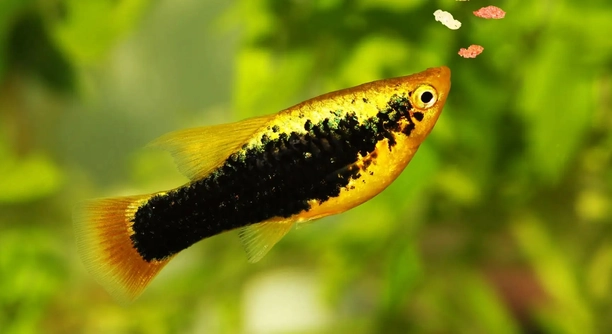
Many people enjoy keeping platies as colorful and easy-to-care-for aquarium fish. Knowing whether your platy is male or female can help with breeding and tank management. This article will explain simple ways to tell the difference between the two.
Sexing platies is mainly done by observing their anal fin shape and body size. Males have a pointed anal fin called a gonopodium, used for mating, while females have a fan-shaped anal fin. Females tend to be larger and rounder than males.
Learning these basic differences will make caring for your platy community easier and more rewarding. Understanding your fish better can improve their health and happiness in your tank.
Physical Differences Between Male and Female Platies
Male and female platies show clear physical differences that help identify their sex. The most noticeable feature is the shape of the anal fin. Males have a narrow, pointed fin called a gonopodium, which they use for reproduction. Females have a wider, fan-shaped anal fin. Besides the fins, females are generally larger and have rounder bodies, especially when they are carrying fry. Males tend to be slimmer with more vivid colors, which they use to attract females. Sometimes males have small spots or patterns on their fins, while females usually have plainer fins. Observing these traits closely in a well-lit tank can make it easier to tell them apart. Knowing the sex of your platies can help prevent unexpected breeding and allow for better tank management. It’s helpful to watch them swim, as the males’ gonopodium is often quite visible when they move.
Body shape and fin structure are the easiest traits to identify between male and female platies.
Looking at both size and fin shape will give you the best chance to correctly identify your platies’ sexes, even if the fish are young or less colorful.
Behavioral Differences in Male and Female Platies
Male and female platies also act differently in their environment. Males are usually more active and often chase females, especially when ready to mate. This chasing is part of their mating behavior and can sometimes look like rough play. Females tend to be calmer and spend more time grazing on algae or searching for food. In a community tank, males may compete for attention, showing off their colors and swimming patterns. Females often stay close to plants or hiding spots, especially if they feel stressed. Understanding these behaviors helps create a balanced tank where all fish feel comfortable. It also helps prevent aggression, as too many males can stress females. Watching your platies regularly will show you these patterns clearly, making it easier to notice which fish is which without close physical inspection.
Breeding Considerations for Platies
Breeding platies requires knowing the sexes to avoid overcrowding and stress. Males will constantly pursue females, which can wear them down if there are too many males or too few females.
Platies breed easily in home aquariums when both sexes are present. Females can store sperm and give birth multiple times from one mating, so separating sexes is important if you want to control breeding. Pregnancy lasts about 24 to 30 days, and females often become noticeably rounder as fry develop inside. Providing plenty of hiding places helps protect newborn fry from adult fish, as adults may eat them. It’s best to prepare a separate tank or breeding box to keep fry safe until they are large enough to join the main tank. Monitoring water quality and temperature also supports successful breeding and healthy young fish.
Keeping the ratio balanced, with more females than males, helps reduce constant chasing and stress in the tank.
Tank Setup Tips for Male and Female Platies
Male and female platies both benefit from a well-planted tank with open swimming space. Plants provide hiding spots for females and fry, while open areas allow males to display and swim freely.
A tank with moderate lighting and stable water conditions keeps platies healthy and active. Filtration and regular water changes maintain clean water, which reduces stress for all fish. Males enjoy showing off their colors in brighter light, while females use shaded areas to rest. Temperature between 72°F and 78°F suits both sexes well, encouraging normal behavior and breeding. Avoid overcrowding by keeping about two to three platies per gallon, and maintain a ratio favoring females to reduce male aggression. Adding live plants, such as Java moss or hornwort, supports natural behaviors and offers fry places to hide safely.
Identifying Young Platies
Young platies can be harder to sex because their fins and body shapes are not fully developed. It takes time for the gonopodium in males to form clearly. Watching their growth over weeks helps with identification.
Juvenile females may look rounder sooner than males. Colors are usually duller in young fish, so fin shape remains the best clue for sexing.
Common Mistakes When Sexing Platies
Relying only on color can lead to mistakes since some females show bright colors and some males are less vivid. Also, confused fin shapes in juveniles can cause misidentification. Patience and close observation over time improve accuracy.
Health and Sex Differences
Males sometimes appear slimmer due to higher activity levels, but this doesn’t always mean they are unhealthy. Females may look plumper when carrying fry, which is normal and not a sign of illness.
Monitoring Behavior for Accurate Sexing
Regularly watching your platies’ behavior gives clues to their sex. Active chasing usually points to males, while calmer fish are often females.
FAQ
How can I tell if my platy is male or female without close inspection?
One of the easiest ways is to watch their behavior. Males are usually more active and often chase females. They also tend to swim more boldly around the tank. Females are calmer and may stay near plants or hiding spots more often. Observing how your platies interact over time helps you tell them apart without needing to look closely at their fins.
Can female platies get pregnant without a male present?
No, female platies need a male to fertilize their eggs. However, females can store sperm from one mating and use it to have several batches of fry over time. This means that even if males are removed after breeding, females might still give birth for a few months afterward.
What is a gonopodium, and why is it important?
The gonopodium is a modified anal fin found only in male platies. It is narrow and pointed and used for transferring sperm to females during mating. This fin is the most reliable physical feature to distinguish males from females.
Do males and females have different color patterns?
Males often have brighter, more vivid colors to attract females and compete with other males. Females can also be colorful but tend to have more subdued patterns. However, color alone is not a foolproof way to tell their sex since some females can be quite bright too.
Why do males chase females constantly?
Chasing is part of male mating behavior. Males will swim after females to encourage mating. If there are too many males, the chasing can become stressful for females. Maintaining a good balance of more females than males helps reduce this behavior.
How many platies should I keep together to avoid aggression?
A good rule is to keep about two to three platies per gallon of water and maintain a ratio of one male for every two or three females. This balance lowers aggression, prevents excessive chasing, and keeps your fish happier.
Can I keep only female platies together?
Yes, female platies can live together peacefully without males. This prevents breeding but still allows you to enjoy their colors and activity. Just be sure to provide enough space and hiding spots to keep them comfortable.
How long does it take for a female platy to give birth?
The gestation period for female platies is about 24 to 30 days. During this time, females become noticeably rounder as the fry develop inside. They can give birth to 20 to 50 fry in one batch, depending on their size and health.
What should I do to protect fry in a community tank?
Adult platies and other fish may eat the fry, so providing dense plants or breeding boxes helps protect newborns. Java moss and hornwort are good plants for hiding fry. You can also move pregnant females to a separate tank until they give birth.
Can platies breed all year round?
Yes, platies can breed year-round if water conditions are stable and the temperature is between 72°F and 78°F. Regular feeding and clean water encourage healthy breeding habits.
Do platies require special food during breeding?
A varied diet supports breeding. High-quality flakes, frozen or live foods like brine shrimp and daphnia help condition both males and females. Well-fed platies are more likely to breed successfully and produce healthy fry.
How do I know when a female platy is ready to give birth?
You’ll notice the female’s belly swelling and darkening near the anal fin. She may also hide more as the time approaches. Preparing a safe space for her to release fry will improve survival rates.
Is it possible to sex platies by size alone?
Size can be a clue, as females are usually larger and rounder. However, size alone isn’t reliable since growth rates vary with diet and tank conditions. It’s best to combine size with fin shape and behavior for accurate sexing.
Can platies change sex?
No, platies do not change sex. They are born either male or female, and their sex remains fixed throughout their lives.
What should I do if I want to breed platies but don’t know the sex?
Start by observing fin shapes and behavior. Look for the gonopodium on males and the fan-shaped fin on females. Watching interactions over a few weeks helps confirm their sex before setting up breeding conditions.
Knowing how to tell if your platy is male or female makes caring for these fish much easier. The main physical difference is the shape of their anal fin. Males have a pointed fin called a gonopodium, while females have a fan-shaped fin. Females are usually larger and rounder, especially when they are ready to give birth. By paying attention to these simple traits, you can quickly identify the sex of your platies. This helps avoid confusion and allows better control of breeding in your tank. Watching their behavior also gives clues, since males tend to be more active and chase females, while females are calmer and often stay near plants.
Understanding the differences between male and female platies is important for keeping your aquarium peaceful and healthy. If there are too many males, constant chasing can stress the females and cause problems. Keeping a good ratio of more females than males helps reduce aggression and allows all fish to live comfortably. A well-planted tank with enough space supports natural behavior and provides hiding spots for females and fry. Monitoring water quality and maintaining the right temperature also contribute to the health and happiness of both sexes. With proper care and knowledge, your platies will thrive and add color to your home.
Taking time to observe and learn about your platies will improve your experience as a fish keeper. Sexing platies is not difficult once you know what to look for. This knowledge can prevent unwanted breeding and help you provide the best environment for your fish. Whether you want to breed them or simply enjoy their beauty, understanding the differences between males and females is a helpful skill. Your platies will benefit from the attention and care you give based on this understanding. With patience and practice, identifying the sexes will become easier and more natural.

Hello,
If you enjoy the content that we create, please consider saying a "Thank You!" by leaving a tip.
Every little bit helps us continue crafting quality advice that supports the health, happiness, and well-being of pets around the world, for pets of all shapes, sizes, and species.
We really appreciate the kindness and support that you show us!