
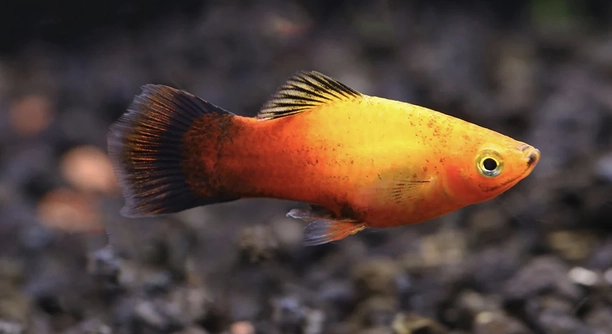
Do your platies seem uninterested in food no matter what you try to feed them? It can be frustrating and a little worrying.
The most common reason platies won’t eat is due to stress caused by sudden changes in their environment. This includes temperature shifts, poor water quality, overcrowding, or recent relocations, all of which can affect their appetite.
From tank setup tips to feeding habits, this article will walk you through simple, effective steps to help your platies feel better and start eating again.
Check the Water Quality First
Poor water quality is one of the main reasons platies stop eating. These fish are sensitive to their environment, and any imbalance in water conditions can stress them out. Ammonia, nitrite, and nitrate levels should be tested regularly using a reliable test kit. If levels are too high, do a partial water change and clean the tank. Temperature is another important factor. Platies prefer water between 70–80°F. Sudden changes or extremes can make them uncomfortable and less likely to eat. Also, make sure the tank isn’t overcrowded. Too many fish can cause stress and lead to poor appetite.
Avoid over-cleaning the tank, as this can remove helpful bacteria. Stick to a regular maintenance routine and ensure the filter is working properly. A stable and clean environment encourages healthy behavior, including regular eating.
Once the water quality improves, you might notice your platies swimming more actively and showing interest in food again.
Try Offering a Different Type of Food
Sometimes platies simply don’t like what they’re being fed. If they’re ignoring flakes, try switching to pellets, frozen foods, or live options like brine shrimp.
Changing up their diet can often trigger their appetite. Fish can get bored with the same food every day. Offering variety helps meet their nutritional needs and can also make feeding time more appealing. Live or frozen foods are closer to what they’d naturally eat, which might make them more interested. When introducing new food, start with small amounts to avoid fouling the water. Observe how they respond. If they seem more active during feeding time, you’re on the right track. Be patient. Some fish take a little time to adjust to a new type of food. Also, make sure the size of the food matches their mouths. Too-large pieces can discourage them from eating. A few simple changes can make a big difference in their appetite.
Reduce Stress in the Tank
Stress can cause platies to stop eating and hide more often. Loud noises, sudden movements, or frequent tank changes can overwhelm them. A calm, stable environment helps them feel safe enough to eat again.
Make sure the tank is in a quiet spot away from heavy foot traffic or noise. Limit changes to the tank layout and avoid adding new fish too often. Use plenty of plants or decorations so your platies have hiding spots. These give them a sense of security. A predictable light schedule also helps. Try not to tap on the glass or move things around too frequently. When platies feel safe, they tend to swim more freely and show more interest in eating. Give them time to adjust if something recently changed. Stress doesn’t go away overnight, but gentle care and a consistent routine can really help them feel better and return to normal behavior.
Keeping stress low also means choosing peaceful tank mates. Avoid aggressive fish that may chase or nip at your platies. Even if there’s no physical injury, the constant tension can stop them from eating. Watch their behavior closely for signs of fear, like hiding in corners or swimming frantically. Addressing stress quickly will support their appetite and overall health.
Check for Illness or Parasites
Loss of appetite can also be a sign of illness or parasites. If your platy is losing color, acting sluggish, or has spots or torn fins, something more serious may be going on. Always look closely for signs beyond just not eating.
Common signs of internal parasites include stringy white feces, bloating, or visible worms. If you notice these symptoms, isolate the sick fish and consider using a parasite treatment safe for platies. Make sure to follow dosage instructions carefully. External issues like ich (white spots) or fin rot can also lead to appetite loss. These need to be treated right away with proper medication and clean water. If you’re unsure, a local aquarium shop or vet can help identify the problem. Treating illness early prevents it from spreading and gives your platy the best chance of recovering and eating normally again. Don’t ignore small signs—they can grow into bigger issues quickly.
Avoid Overfeeding or Uneaten Food
Too much food in the tank can lower water quality and make your platies avoid eating. Uneaten flakes or pellets quickly break down and release waste into the water, which stresses the fish and affects their appetite.
Feed small portions and watch how much they actually eat. If anything is left after two minutes, scoop it out. This keeps the water cleaner and helps you see what amount works best. Feeding once or twice a day is enough. Overfeeding often does more harm than good, especially if your platies are already stressed or not feeling well.
Check for Aggressive Tank Mates
Some fish can bully or chase platies, which causes them to hide and lose interest in food. If you see your platies avoiding certain areas or swimming erratically, it may be due to tank mate aggression.
Rearrange the tank or add more hiding spots to reduce tension. If the behavior continues, consider moving the aggressive fish to a different tank. Keeping platies with calm, peaceful species encourages natural behavior and feeding. They thrive when they feel safe and are not constantly being harassed or outcompeted during feeding times.
Watch for Signs of Aging
Older platies may naturally eat less than they used to. A drop in appetite, slower movement, and resting more often can all point to aging.
Adjust their care by feeding smaller portions and making food easier to reach. A calm environment helps older fish feel comfortable and more likely to eat.
Why won’t my platies eat flakes anymore?
Platies can get bored or picky with flakes if fed the same kind all the time. Sometimes flakes lose freshness and become less tasty. Try switching to different brands or types, or offer pellets and frozen foods to add variety. Freshness and variety often bring back their interest.
How long can platies go without eating?
Healthy platies can usually go about a week without food without serious harm. However, prolonged fasting weakens their immune system and makes them vulnerable to illness. If your platies stop eating for more than a few days, it’s important to find the cause and fix it quickly.
Can poor water quality cause platies to stop eating?
Yes. High ammonia, nitrite, or nitrate levels cause stress and illness, reducing appetite. Temperature swings and overcrowding also harm water quality and fish health. Regular testing and maintenance keep the water clean and stable, helping platies eat normally.
Is it normal for platies to eat less during breeding?
Female platies may eat less before giving birth, focusing energy on developing fry. This is usually temporary. After birthing, their appetite should return. If eating doesn’t improve, check water and tank conditions for stress or illness.
What foods are best to encourage picky platies?
Live foods like brine shrimp or daphnia often stimulate appetite. Frozen bloodworms or mosquito larvae are good options too. Offering a mix of pellets, flakes, and live or frozen foods ensures balanced nutrition and keeps feeding interesting.
Can tank decorations affect platies’ appetite?
Yes, tank decor that provides hiding places makes platies feel safe, reducing stress and encouraging eating. Without enough cover, they may hide constantly and avoid food. Plants, caves, or driftwood work well to create secure spots.
How do I know if my platies are stressed?
Signs include hiding, frantic swimming, loss of color, or clamped fins. Stressed fish often refuse food. Causes can be poor water quality, aggressive tank mates, or sudden changes in environment. Reducing stress improves their willingness to eat.
Should I isolate a platy that isn’t eating?
If you suspect illness or parasites, isolating the fish can prevent spread and allow focused treatment. Use a separate hospital tank with clean water and proper medication if needed. Healthy tankmates benefit when sick fish are separated.
Can overfeeding cause platies to stop eating?
Overfeeding leads to leftover food and poor water quality, which stresses platies and can cause appetite loss. Feed small amounts that they finish quickly. Keeping the tank clean helps maintain a healthy appetite.
Is it normal for platies to eat less in colder water?
Platies are tropical fish and prefer warmer water around 70–80°F. Cooler water slows their metabolism, reducing appetite. Keep tank temperature stable within their preferred range to support regular feeding.
What should I do if my platy refuses all food?
First, check water quality and temperature. Look for signs of illness or stress. Try offering live or frozen foods to spark interest. If refusal continues beyond several days, seek advice from a vet or aquarium expert for diagnosis.
Can platies eat plants from the tank?
Platies sometimes nibble on soft plants, but this shouldn’t replace their main diet. Live plants can provide enrichment and hiding spots but aren’t a full food source. Provide balanced fish food alongside any plant grazing.
How often should I feed my platies?
Feeding once or twice daily is enough. Small portions prevent leftover food from fouling the water. Consistency helps platies expect feeding times, which supports healthy eating habits.
Can new tankmates cause platies to stop eating?
Introducing new fish can cause temporary stress and disrupt feeding. Keep new arrivals quarantined for a few weeks before adding them to the main tank. This reduces disease risk and helps platies feel safe, encouraging them to eat again.
Are there signs that a platy’s illness is causing loss of appetite?
Look for changes in swimming, color fading, clamped fins, spots, or frayed fins. These symptoms alongside refusal to eat suggest illness. Early treatment improves chances of recovery and return to normal eating behavior.
When platies stop eating, it can feel confusing and worrying. Many different factors can cause this behavior, from water quality and stress to illness or simply a change in diet. The key is to observe your fish closely and check the tank conditions. Ensuring clean water, a stable temperature, and a calm environment are the most important steps. Regular tank maintenance and testing will prevent many common problems. If the fish feel safe and healthy, they are more likely to eat normally again. Paying attention to the little details, like how much food you give and what kind, also makes a big difference.
Changing up the food can often help when platies lose interest in eating. Offering live, frozen, or different dry foods can stimulate their appetite and meet their nutritional needs better than sticking to one type. Platies can get bored with the same flakes every day, so variety is important. It’s also essential to feed the right amount and remove uneaten food quickly. Overfeeding not only wastes food but harms water quality, which can stress the fish. Creating hiding spots and keeping peaceful tank mates improves their sense of security. A well-set-up tank encourages natural behavior, including eating regularly.
Sometimes, loss of appetite can mean a fish is sick or stressed. Watching for other signs, like color changes or unusual swimming, can help spot problems early. Treating illness quickly and separating sick fish if needed supports recovery. Keep in mind that aging fish may eat less naturally, so adjusting care for older platies is helpful. Overall, patience and careful attention are important when dealing with feeding problems. Small, consistent changes can improve your platies’ health and happiness, making feeding time a positive experience again.

Hello,
If you enjoy the content that we create, please consider saying a "Thank You!" by leaving a tip.
Every little bit helps us continue crafting quality advice that supports the health, happiness, and well-being of pets around the world, for pets of all shapes, sizes, and species.
We really appreciate the kindness and support that you show us!