
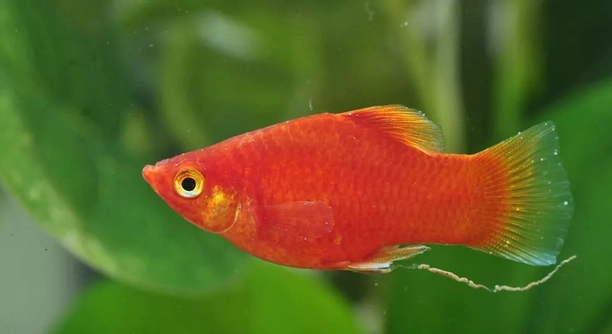
Platies are small, colorful freshwater fish popular among aquarium enthusiasts. Their peaceful nature makes them a common choice for beginner fish keepers. Understanding their social needs is important for maintaining a healthy and happy platy.
Platies are social animals that generally thrive better in groups rather than living alone. While a single platy can survive alone, its wellbeing and natural behavior improve significantly when kept with other platies or compatible tank mates.
Learning how to care for platies properly can improve their survival and happiness. This guide will help you provide the best environment for your fish.
Can a Platy Live Alone?
Platies are naturally social fish that prefer living in groups. When kept alone, they can survive but may show signs of stress or loneliness. In groups, platies display more natural behaviors like schooling and active swimming. A single platy may become less active or hide more often, which could affect its overall health. Tank size also matters; a small tank with one platy might be manageable, but larger tanks support social interactions better. Providing companions helps reduce stress and encourages a healthier environment. Additionally, platies are peaceful and do well with other similar-sized fish. If you choose to keep one platy alone, extra care must be taken to meet its environmental and social needs through enrichment and monitoring. Proper feeding, clean water, and a well-maintained tank are essential for any platy’s wellbeing, whether alone or in a group.
Living with companions enhances platies’ behavior and health significantly compared to solitary living.
Social interaction impacts platies’ activity and stress levels. Without companions, they may become lethargic or withdrawn. These fish thrive on the presence of others, which encourages movement and natural behaviors. When alone, platies can sometimes become more vulnerable to illness due to stress. It is important to provide hiding spots and a balanced diet to support a lone platy. While it is possible for a single platy to live alone, ensuring its needs are met requires more attention. Group living offers clear benefits but does not make solo care impossible.
Creating a Suitable Environment for a Single Platy
A single platy requires a carefully maintained tank to thrive. The tank should be at least 10 gallons, providing enough space to swim comfortably. Keep water temperature stable between 72 and 78°F, and maintain good filtration to keep water clean. Frequent water changes are crucial to avoid toxin buildup that stresses the fish. Adding plants and decorations can create hiding spots and reduce stress. Proper lighting and gentle water flow contribute to a natural habitat. Feeding the platy a balanced diet of flakes, pellets, and occasional live or frozen foods supports its health. Monitor behavior daily to spot any signs of illness or stress early. Though companionship benefits platies, a well-maintained environment can help a single fish live healthily.
Providing the right habitat, diet, and care is vital for a lone platy’s survival.
If a platy must live alone, meeting its environmental needs becomes even more important. A clean, stable tank with proper temperature and filtration supports its immune system. Including live plants not only enhances the tank but also offers comfort and hiding spaces. Feeding variety ensures nutritional balance, supporting growth and color vibrancy. Regular monitoring allows prompt response to any health changes. Enriching the environment with decorations and plants encourages natural behavior and reduces boredom. While a platy’s social nature favors group living, with dedication to care, a single platy can still have a good quality of life. Consistency in maintenance and attention to signs of stress are key to ensuring its wellbeing over time.
Signs Your Platy Is Stressed When Alone
Stress in a platy can show in different ways, especially when it lives alone. Watch for changes in behavior like hiding more often or swimming less actively. Loss of appetite or dull coloring can also be signs of stress.
When a platy is stressed due to loneliness, it may become inactive and hide behind decorations or plants. This withdrawal from usual activity affects its overall health and immune system. A stressed platy might also refuse food or show rapid gill movement, signaling discomfort. Dull or faded colors often indicate poor wellbeing. Stress can make platies more prone to diseases, so recognizing these signs early helps prevent serious health problems. Providing hiding places and maintaining excellent water quality can reduce stress in a solitary fish.
Stress-related changes can be subtle, so regular observation is important. Consistent care and a stable environment help minimize loneliness effects on your platy.
Ideal Tank Mates for Platies
Platies do best with peaceful fish of similar size and temperament. Good tank mates include guppies, mollies, and swordtails. Avoid aggressive or much larger fish that might harm them.
Choosing compatible tank mates helps maintain a calm and healthy aquarium environment. Fish with similar water requirements and temperaments avoid stress and territorial disputes. Community tanks with a mix of small, non-aggressive fish encourage natural social behavior and reduce boredom. Always introduce new fish slowly and monitor interactions to prevent bullying or stress. Proper tank size and plenty of hiding spots further support peaceful coexistence. A balanced community tank promotes wellbeing and enriches the life of platies.
Feeding a Single Platy
A single platy needs a balanced diet to stay healthy. Offer high-quality flakes or pellets designed for tropical fish. Supplement with occasional live or frozen foods for variety and nutrition.
Feeding small amounts twice daily prevents overfeeding. Uneaten food can pollute the tank, so remove leftovers to maintain water quality. Consistent feeding supports energy and vibrant colors.
Tank Maintenance for Platies
Regular water changes of 20-30% weekly keep the tank clean and safe. Testing water parameters like pH, ammonia, and nitrate levels prevents harmful buildup. Consistent maintenance promotes a healthy environment for platies to thrive.
Lighting for Platies
Platies benefit from moderate lighting that mimics natural daylight. Avoid harsh or overly bright lights that can cause stress. Using a timer to maintain a consistent light schedule helps regulate their daily activity and supports plant growth in the tank.
FAQ
Can a platy live alone for a long time?
Platies can live alone for extended periods if their environment is well maintained. However, they naturally prefer social groups, and solitary living may cause stress over time. Ensuring clean water, proper diet, and plenty of enrichment can help a lone platy stay healthy longer.
How many platies should I keep together?
A minimum of three platies is recommended to promote natural social behavior. Keeping at least three reduces loneliness and encourages active swimming and interaction. Larger groups tend to be happier, but tank size and filtration must accommodate them.
What size tank is suitable for a single platy?
A 10-gallon tank is the minimum for one platy, offering enough space to swim and explore. Bigger tanks provide more stable water conditions and room for decorations or plants that reduce stress. Avoid cramped tanks, which negatively impact health.
What are common signs a platy is lonely?
Lonely platies may become inactive, hide frequently, or lose interest in food. They may show dull colors or unusual aggression. These signs often indicate stress caused by lack of companionship or environmental enrichment.
Can platies live with other fish species?
Yes, platies generally coexist well with peaceful fish like guppies, mollies, and swordtails. Avoid aggressive or larger fish that could intimidate or harm them. Compatibility depends on similar water conditions and temperament.
How often should I feed my platy?
Feed platies small portions twice daily. Overfeeding can pollute the tank and harm water quality. Remove uneaten food to prevent buildup and maintain a healthy tank environment.
What water conditions do platies need?
Platies prefer water temperatures between 72 and 78°F, with a pH around 7.0 to 8.2. Keep ammonia and nitrate levels near zero. Regular testing and water changes are essential for maintaining these conditions.
Do platies need plants in their tank?
Live plants provide hiding spots, improve water quality, and reduce stress for platies. They also mimic the fish’s natural habitat and encourage natural behavior. While not mandatory, plants are beneficial for any platy tank.
What should I do if my platy is stressed?
Improve tank conditions by ensuring clean water, stable temperature, and hiding places. Reducing sudden changes and maintaining a quiet environment helps. If the platy is alone, consider adding compatible tank mates to reduce stress.
Is it okay to keep a platy alone temporarily?
Keeping a platy alone for a short time can be manageable, especially during tank cleaning or illness quarantine. Long-term solitary care requires extra attention to environmental enrichment and monitoring for signs of stress.
Can platies breed in a community tank?
Yes, platies breed easily and often in community tanks. If you do not want fry, consider keeping only one gender or have a plan to manage offspring. Breeding behavior includes increased activity and chasing.
How do I prevent diseases in a lone platy?
Maintain clean water, avoid overfeeding, and keep stress low. Quarantine new fish before introducing them. Regular observation helps detect early illness signs for prompt treatment. A healthy environment reduces disease risk.
What decorations are best for a single platy tank?
Use plants, rocks, and smooth hiding spots to create a comfortable space. Decorations provide shelter and reduce stress. Avoid overcrowding the tank, which can limit swimming space and trap debris.
How important is lighting for platies?
Moderate lighting supports plant growth and regulates fish activity. Too bright lighting can cause stress, while too little light affects behavior. A timer ensures consistent day and night cycles.
Can a platy survive without tank mates?
A platy can survive alone but is likely to have reduced wellbeing. Without companions, behavioral and health issues may arise. Extra care in tank setup and maintenance is necessary to support a solitary platy.
Platies are lively and colorful fish that bring a lot of enjoyment to any aquarium. While they are naturally social creatures who thrive best in groups, they can live alone if given the right care. A single platy’s survival depends largely on the environment and attention it receives. Keeping the water clean, maintaining proper temperature, and providing a balanced diet are essential steps in supporting its health. Even without tank mates, a well-kept tank with plenty of plants and hiding spots can help reduce stress and encourage natural behaviors.
Living alone may cause a platy to show signs of stress or boredom, such as hiding more often or becoming less active. These behaviors indicate that the fish may not be entirely comfortable in its environment. That is why many experts suggest keeping platies in small groups whenever possible. Groups encourage social interaction, which helps platies stay active and healthy. However, if space or circumstances limit you to one fish, you can still create a good living space by enriching the tank with plants and decorations, ensuring proper feeding routines, and doing frequent water maintenance.
Ultimately, the wellbeing of a platy depends on careful and consistent care, whether it lives alone or with companions. Paying attention to water quality, diet, and environmental enrichment will improve its quality of life. Understanding the needs of your platy helps you make decisions that support its health and happiness. With dedication, even a solitary platy can live a comfortable and healthy life in your aquarium.

Hello,
If you enjoy the content that we create, please consider saying a "Thank You!" by leaving a tip.
Every little bit helps us continue crafting quality advice that supports the health, happiness, and well-being of pets around the world, for pets of all shapes, sizes, and species.
We really appreciate the kindness and support that you show us!