
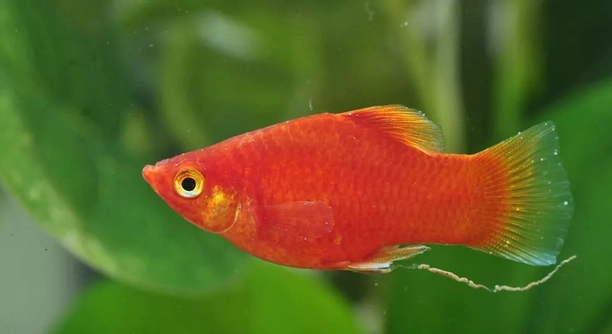
Are your platies not growing as expected despite proper care? Many aquarium enthusiasts face this common issue when raising these colorful fish. Understanding the reasons behind slow growth can improve your platies’ health and appearance.
Platies may not grow well due to factors such as poor water quality, insufficient nutrition, overcrowding, stress, inadequate tank size, disease, or genetics. Identifying and addressing these causes can promote healthier and faster growth in your fish.
Knowing what affects your platies’ growth can help you create a better environment for them. This article explains key reasons and offers simple solutions to support your platies’ development and well-being.
Poor Water Quality
Water quality plays a big role in your platies’ growth. If the water has high levels of ammonia, nitrites, or nitrates, it can stress the fish and stunt their development. Regular testing and maintenance are essential to keep these harmful substances low. Changes in pH and temperature can also affect growth. Platies prefer stable conditions with a pH between 7.0 and 8.2 and temperatures around 72-78°F (22-26°C). Frequent water changes and a good filtration system help maintain a clean and healthy environment. Avoid overcrowding, which can lead to waste buildup and poor water conditions, slowing down growth even more.
Keeping your aquarium water clean is key for healthy platies. Test regularly and adjust conditions as needed.
Clear water with balanced pH and temperature supports your platies’ immune system and metabolism. Healthy water reduces stress and encourages natural behavior, which helps your fish grow at their best rate.
Insufficient Nutrition
Feeding your platies the right diet is crucial for growth. They need a balanced mix of protein, vitamins, and minerals. High-quality flake or pellet food formulated for livebearers provides essential nutrients. Supplementing with frozen or live foods like brine shrimp or daphnia adds protein and variety, which can boost growth. Avoid overfeeding, which can cause poor water quality and health problems. Feed small amounts two to three times daily, enough for them to finish in a few minutes. Watch their appetite and adjust feeding as they grow. A proper diet supports strong bones, vibrant colors, and overall health, leading to better growth rates in your platies. Feeding them well is one of the simplest ways to encourage development and prevent common growth issues.
Overcrowding
Too many platies in one tank can slow their growth. Overcrowding causes stress and poor water quality, making it harder for fish to thrive.
Overcrowded tanks lead to competition for food and space, which affects growth. When platies constantly compete, weaker or smaller fish may not get enough nutrients. This can cause stunted growth or even illness. Overcrowding also increases waste buildup, leading to harmful ammonia and nitrite levels. These toxins affect the fish’s health and ability to grow properly. Providing enough space and reducing the number of fish helps maintain water quality and reduces stress, allowing your platies to grow better.
A larger tank or fewer fish will create a healthier environment. Aim for at least 10 gallons of water for every 3-4 platies, giving them room to swim freely and grow.
Stress and Its Effects
Stress from poor conditions or aggressive tank mates can slow your platies’ growth. It weakens their immune system and reduces appetite.
Stress causes hormonal changes that can interrupt normal growth processes. Constant threats from aggressive fish or sudden changes in the environment keep platies in a fight-or-flight state. This drains their energy and slows down development. Additionally, stressed fish eat less, meaning they get fewer nutrients needed for growth. Stress can come from overcrowding, loud noises, or sudden water changes. Reducing stress by providing hiding spots, peaceful tank mates, and stable conditions will help your platies feel secure and grow more effectively. Keeping stress low is essential for healthy, thriving fish.
Inadequate Tank Size
A tank that’s too small limits your platies’ growth. They need enough space to swim and develop properly.
Small tanks also cause poor water quality faster. Giving platies a larger tank reduces stress and supports healthy growth.
Disease and Parasites
Illness can slow or stop your platies from growing. Common diseases like ich, fin rot, and internal parasites affect their health and energy levels. Sick fish often lose appetite and become weak, making growth difficult. Regular observation and quick treatment help keep diseases under control. Quarantining new fish before adding them to your tank prevents spreading infections. Maintaining clean water and proper nutrition also supports your fish’s immune system and recovery from illness.
Genetics
Some platies grow slower due to their genetics. Breeding from strong, healthy fish improves growth traits over time.
FAQ
Why are my platies still small after months?
Platies can stay small if they face issues like poor water quality, insufficient nutrition, or overcrowding. Stress and disease also slow their growth. Make sure your tank is clean, feed a balanced diet, and avoid crowding. Sometimes genetics play a role, so some fish naturally grow slower.
How often should I feed my platies?
Feeding two to three times a day with small portions is best. Offer only what they can eat in about 2-3 minutes to prevent leftover food from polluting the water. Include quality flake food plus occasional live or frozen treats for balanced nutrition.
Can poor water quality really stunt platy growth?
Yes, poor water quality is one of the main reasons platies don’t grow well. High levels of ammonia, nitrites, or nitrates create toxic conditions that stress fish and harm their health. Frequent water testing and changes help keep water safe and promote growth.
How much space do platies need?
Platies need at least 2.5 gallons per fish, but more space is always better. Overcrowding leads to stress and competition for food, which slows growth. A 10-gallon tank comfortably holds 3-4 platies with room to swim freely.
What are signs of stress in platies?
Signs include hiding more than usual, loss of appetite, faded colors, rapid breathing, or erratic swimming. Stress weakens their immune system and slows growth. Address water quality, tank mates, and environmental factors to reduce stress.
Can tank mates affect platy growth?
Yes. Aggressive or larger fish can bully platies, causing stress or injuries. Stress reduces appetite and growth. Choose peaceful tank mates and provide hiding spots to help your platies feel secure and grow well.
How long does it take for platies to grow fully?
Platies usually reach full size in about 6 to 12 months. Proper care, nutrition, and environment can speed up growth, while poor conditions will slow it down. Patience is key when raising healthy fish.
Do genetics affect platy size?
Yes, genetics influence how fast and how large platies grow. Breeding from healthy, robust fish helps improve growth traits over time. Some platies may stay smaller naturally, even with ideal care.
What should I do if my platies stop growing suddenly?
Check water parameters immediately for toxins or imbalances. Look for signs of disease or stress. Review feeding habits and tank conditions. Fixing these factors quickly usually helps fish return to normal growth.
Is it okay to mix platies with other fish?
Yes, as long as tank mates are peaceful and similar in size. Avoid aggressive species that might stress platies. Mixing can encourage natural behavior but always watch for bullying or competition.
Final thoughts on platy growth focus on creating the best possible environment for your fish. Keeping water clean and stable is one of the most important steps. Regular testing and maintenance prevent harmful chemicals from building up, which can stress or harm your platies. A well-filtered tank with proper water temperature and pH levels helps your fish stay healthy and grow well. When water quality is good, your platies will use their energy for growth instead of fighting illness or stress.
Nutrition is another key part of helping platies grow. Feeding a balanced diet with the right nutrients supports their development and keeps them strong. High-quality flake or pellet food made for livebearers provides the basic nutrients. Adding live or frozen foods, like brine shrimp or daphnia, gives extra protein that helps with growth. It is important to feed small amounts multiple times a day rather than one large feeding. Overfeeding can pollute the water and cause health problems, which slows growth.
Lastly, giving your platies enough space and a peaceful tank environment is vital. Overcrowding leads to competition and stress, which can stunt growth. Providing hiding spots and choosing calm tank mates reduces stress and helps fish feel safe. Some growth limits may come from genetics, but good care ensures your platies reach their full potential. Paying attention to water quality, diet, and tank conditions will support your platies’ health and encourage steady, healthy growth over time.

Hello,
If you enjoy the content that we create, please consider saying a "Thank You!" by leaving a tip.
Every little bit helps us continue crafting quality advice that supports the health, happiness, and well-being of pets around the world, for pets of all shapes, sizes, and species.
We really appreciate the kindness and support that you show us!