
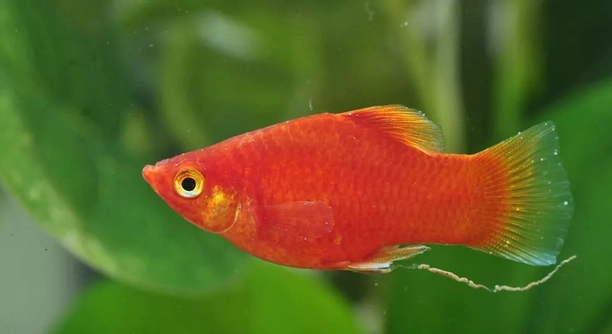
Platies are popular freshwater fish known for their bright colors and peaceful nature. Many fish owners enjoy watching their playful behavior in community tanks. However, platies can sometimes appear lonely or withdrawn without obvious reasons.
Platies are social animals that thrive in groups. Loneliness often occurs when they are kept alone or with insufficient companions. A lack of proper social interaction can lead to stress, which negatively affects their health and behavior in captivity.
Recognizing signs of loneliness is important for maintaining happy, healthy platies. The following article explains common causes and offers practical solutions to improve their wellbeing.
Not Enough Companions
Platies are naturally social fish that feel most comfortable when kept in groups. When they are alone or have too few tank mates, they can become stressed and display signs of loneliness. It’s important to have at least three or more platies in the same aquarium. This allows them to interact and establish a social dynamic, which helps reduce anxiety and encourages natural behaviors like schooling and swimming together. Without enough companions, platies might hide more often or lose their vibrant colors. Keeping a balanced group also prevents aggressive behavior from developing. A proper group size supports their overall health and helps them feel secure in their environment. Always consider the size of your tank to avoid overcrowding while providing enough space for each fish to thrive.
Maintaining an appropriate number of platies reduces stress and promotes natural social behavior, which is essential for their well-being and happiness.
Choosing the right number of platies depends on tank size and other species present. For small tanks, three to five platies work best. Larger tanks can hold more, but overcrowding must be avoided. Introducing new platies should be gradual to prevent stress. Watching how they interact will help you understand if the group is balanced or if adjustments are needed. Ensuring they have hiding places and plants also creates a comfortable environment where they can rest and feel safe. Social interaction is a key part of platies’ lives, so providing enough companions will keep them active and healthy.
Lack of Environmental Enrichment
Platies need more than just companions to stay happy; their environment plays a big role. A bare or dull tank can make them bored and restless.
A well-decorated tank mimics their natural habitat and offers stimulation, reducing loneliness. Plants, rocks, and hiding spots make the tank interesting and secure.
Adding live plants and decorations encourages exploration and natural behaviors. It also provides shelter when they feel threatened. A varied environment helps reduce stress and increases activity, making your platies healthier and happier. Keep the tank clean and maintain stable water conditions, as poor water quality can also affect their mood. Regularly rearranging some decorations keeps the environment fresh and engaging. This small effort improves their quality of life significantly.
Incompatible Tankmates
Platies do best with peaceful species. Aggressive or overly active fish can stress them out and make them feel isolated.
Stress from incompatible tankmates leads to hiding, loss of appetite, and dull colors. Ensuring tankmates share similar temperaments helps platies feel safe and social. Avoid species known for nipping fins or chasing others. Good companions include guppies, mollies, and peaceful tetras. Monitor interactions closely after introducing new fish to catch any signs of aggression early. A calm community tank creates a better environment for platies to thrive.
Choosing the right tankmates improves social harmony and encourages healthy behavior. If aggression is present, separating aggressive fish or adjusting the tank’s layout with plants and decorations can reduce conflicts. When platies coexist peacefully, their social needs are better met, and loneliness decreases.
Inconsistent Feeding Schedule
Platies respond well to routine. Feeding them at irregular times or with inconsistent amounts can cause stress and affect their social behavior.
Regular feeding supports their health and activity. Platies expect food at predictable times, which builds trust and comfort in their environment. Overfeeding or underfeeding can lead to health issues, which also affect how they interact with others. Use high-quality flake or pellet food designed for tropical fish, and supplement occasionally with live or frozen treats for variety. Feeding small amounts twice daily keeps them energized and reduces competition for food, which can cause tension among tankmates.
A consistent feeding routine keeps platies active and engaged. It’s a simple way to improve their mood and reduce signs of loneliness. Establishing this habit benefits both their physical and social well-being.
Poor Water Quality
Dirty water can make platies stressed and withdrawn. Regular cleaning and testing keep the water safe and comfortable for them.
Maintaining stable water parameters prevents illness and promotes healthy behavior. Frequent water changes and a good filter are essential.
Lack of Hiding Spots
Platies need places to retreat when feeling threatened. Without hiding spots, they may become anxious and less social.
Adding plants, caves, or decorations creates safe zones, helping platies feel secure and less lonely.
Sudden Changes in Environment
Platies react poorly to quick changes like new tankmates or water shifts. Sudden disruptions cause stress and loneliness.
Introduce changes slowly and monitor their response to keep the tank stable and peaceful.
FAQ
How many platies should I keep together?
Platies are social fish and do best in groups of at least three. Keeping fewer than three can cause loneliness and stress. Larger groups encourage natural social behavior and reduce anxiety. However, tank size should be considered to avoid overcrowding. For a standard 20-gallon tank, five to six platies is a good number.
Can platies live with other fish species?
Yes, platies can live peacefully with many other species, but it’s important to choose tankmates with similar temperaments. Avoid aggressive or fin-nipping fish, as they stress platies. Good companions include guppies, mollies, corydoras, and peaceful tetras. Always monitor the tank when introducing new fish to catch any conflicts early.
What signs show my platies are lonely?
Lonely platies often hide more, lose their bright colors, and become less active. They may stop schooling or swimming together. Some may refuse to eat or show signs of stress, like rapid breathing. Recognizing these behaviors early helps improve their environment before health issues arise.
How often should I feed my platies?
Feeding platies twice a day with small amounts is best. Overfeeding can pollute the tank and cause health problems. Use high-quality flake food and occasionally offer live or frozen treats like brine shrimp or bloodworms for variety. Feeding regularly keeps them active and healthy.
What kind of plants and decorations work best for platies?
Live plants like Java fern, Anubias, and hornwort are excellent choices. They offer hiding spots and improve water quality. Smooth rocks, driftwood, and caves also provide shelter. Avoid sharp decorations that could harm your fish. Creating a varied environment reduces stress and encourages natural behavior.
How often should I change the water in my platy tank?
Perform partial water changes of 20-30% weekly to maintain water quality. This removes waste and keeps parameters stable. Frequent cleaning reduces stress and prevents illness. Test water regularly for ammonia, nitrites, and nitrates to ensure safe conditions.
What temperature is ideal for platies?
Platies thrive in water temperatures between 70°F and 78°F (21°C to 26°C). Keeping the temperature stable helps reduce stress. Sudden fluctuations can cause health problems and affect behavior. Use a reliable heater and thermometer to maintain proper warmth.
Can platies get lonely if they have no hiding spots?
Yes, platies feel safer when they have places to hide. Without adequate shelter, they may become anxious and withdrawn. Adding plants, caves, and decorations provides comfort and reduces stress, making them more active and social.
Is it normal for platies to be shy?
Platies can be shy if they feel unsafe or stressed. This may happen due to loneliness, poor water quality, or incompatible tankmates. Improving their environment and social conditions helps them become more confident and interactive.
How do I introduce new platies to an existing tank?
Introduce new platies slowly by quarantining them first to avoid disease. Add them during feeding times to reduce aggression. Watch their behavior closely for signs of stress or bullying. Providing plenty of plants and hiding spots helps new fish settle in smoothly.
Platies are social fish that need proper care to thrive in home aquariums. Their natural behavior depends a lot on having companions, a safe environment, and good water quality. When these needs are not met, platies may show signs of loneliness, such as hiding, loss of color, or lack of activity. Understanding what causes loneliness in platies helps fish owners make better decisions for their pets. Simple adjustments like adding more companions or improving tank conditions can greatly improve their wellbeing.
Providing a group of platies rather than a single fish is one of the most important steps to avoid loneliness. They interact more when they have company, which reduces stress and encourages natural behavior. Alongside social needs, creating a stimulating environment with plants, decorations, and hiding places also plays a crucial role. These additions make the tank more comfortable and less intimidating for platies. Maintaining stable water conditions with regular cleaning and proper feeding schedules supports their health and reduces anxiety. When these factors come together, platies tend to be more active and display their vibrant colors.
It’s important to pay attention to the signs that platies may be lonely or stressed. Early changes in behavior can indicate that their social or environmental needs are not being met. Adjusting tank mates, providing hiding spots, and ensuring consistent feeding and water quality are effective ways to address these issues. With proper care and attention, platies can live happy, healthy lives and bring enjoyment to their owners. Taking the time to understand their needs improves the experience for both the fish and the person caring for them.

Hello,
If you enjoy the content that we create, please consider saying a "Thank You!" by leaving a tip.
Every little bit helps us continue crafting quality advice that supports the health, happiness, and well-being of pets around the world, for pets of all shapes, sizes, and species.
We really appreciate the kindness and support that you show us!