
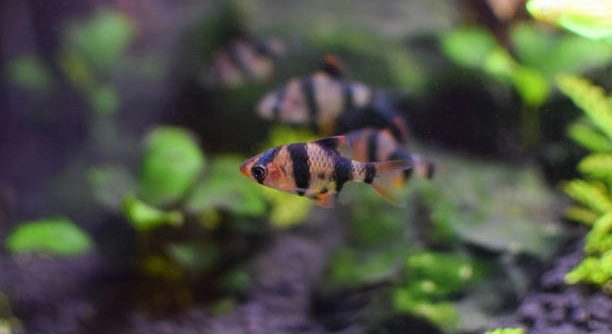
Barbering is a common behavior seen in pet rodents like gerbils, often indicating social or environmental factors at play. Understanding when your barb is ready to pair up can improve their well-being and foster a healthy relationship between companions. This article explores the key signs that suggest your barb is prepared for pairing.
Several behavioral and physical indicators reveal when a barb is ready to pair, including increased grooming, reduced aggression, curiosity toward others, stable health, and consistent weight. Recognizing these clues helps ensure a smooth and safe introduction process.
Knowing these signs can help you make informed decisions for your barb’s social life and overall happiness. The following points will guide you through the essential clues to watch for.
Increased Grooming Behavior
When a barb starts grooming itself and others more frequently, it often signals readiness to pair. This behavior shows comfort and social interest, which are important for establishing bonds. Grooming helps reduce stress and build trust between animals. You may notice your barb spending extra time cleaning its fur or gently grooming a cage mate. This is a positive sign that it is open to social interaction and forming connections. Grooming also strengthens the social hierarchy, allowing barbs to communicate and feel secure. Observing these changes can prepare you for introducing a new companion.
Increased grooming is a natural sign that your barb is comfortable and interested in social contact. It suggests a calmer and more receptive state.
Being attentive to grooming habits can help you decide the right time to pair your barb. When grooming becomes more frequent and relaxed, it means your barb is ready to welcome another into its space without stress or conflict.
Reduced Aggression and Calm Behavior
Your barb showing less aggression and more calm behavior indicates readiness for pairing. Aggressive actions like biting or chasing usually decrease as they grow more comfortable with their surroundings and potential companions. Calm barbs are easier to introduce to new mates, which helps avoid injury or stress during pairing. Signs of reduced aggression include relaxed body posture, slower movements, and fewer vocalizations linked to stress. Watching for these signs allows you to act at the right moment, minimizing risks and supporting healthy social interactions. Careful observation is key in this phase.
Reduced aggression creates a safer environment for social pairing and fosters smoother introductions.
When your barb acts calmer and less territorial, it is signaling acceptance of others. This shift helps ensure a peaceful start to pairing, encouraging positive interaction and lasting companionship. A calm barb is more likely to build a stable relationship without unnecessary fights or stress. Keeping a close eye on behavior changes will prepare you for a successful pairing experience. Proper timing during this stage reduces setbacks and promotes well-being for both animals involved.
Curiosity Toward Others
Barbs ready to pair often show interest in other animals around them. This curiosity can include watching, sniffing, or approaching calmly. They are less likely to hide or avoid new companions.
This curiosity is an important social cue. When your barb actively explores or observes another, it signals openness to forming bonds. This behavior helps them learn about potential partners and reduces fear. A curious barb is more likely to accept a newcomer without stress or aggression. This willingness to engage socially is a positive step toward pairing. Watching for these signs can help you choose the right time to introduce them.
Encouraging safe interactions during this phase supports their social skills. Gradual exposure can strengthen their confidence and ease the introduction process.
Stable Health and Consistent Weight
Maintaining good health is essential before pairing barbs. A stable weight and clean appearance indicate your barb is strong enough to handle social changes. Stress from pairing can be difficult if the animal is unwell.
Regular monitoring of your barb’s condition helps spot any health issues early. A healthy barb will be active, with bright eyes and a smooth coat. Consistent weight shows they are well-nourished and not under stress. Avoid pairing if your barb shows signs of illness, lethargy, or weight loss. Proper health ensures the pairing process goes smoothly and reduces risks of conflicts or injury. Ensuring your barb is physically prepared is crucial for a successful social introduction. Taking care of their health benefits both animals involved in the pairing.
Consistent Activity Levels
A barb ready to pair maintains steady activity throughout the day. They explore their environment without sudden bursts of hyperactivity or long periods of lethargy.
Consistent energy shows your barb feels secure and balanced. Erratic behavior may indicate stress or discomfort, which can complicate pairing efforts.
Interest in New Toys or Objects
Your barb’s curiosity extends to new toys or objects introduced to their space. This willingness to explore helps build confidence and reduces fear of change.
Introducing new items gradually encourages your barb to adapt to new experiences. This openness supports a smoother transition when adding a new companion to their environment.
Stable Sleeping Patterns
Barbs ready for social interaction usually keep regular sleeping habits. Disrupted sleep can indicate stress or illness, making pairing a poor idea.
Monitoring sleep helps ensure your barb is mentally and physically prepared for new social dynamics.
FAQ
How do I know if my barb is stressed during pairing?
Signs of stress include excessive grooming, hiding, aggression, or refusal to eat. Your barb might also vocalize more or pace nervously. Watching for these behaviors during introductions can help you intervene early. Stress can cause health problems, so it’s important to separate the animals if these signs persist.
What is the best way to introduce two barbs?
Start with short, supervised meetings in a neutral space. Keep the environment calm and free of distractions. Gradually increase the time they spend together as they show comfort. Always watch for signs of aggression or fear. Be patient; some barbs take longer to adjust than others.
Can barbs live alone if pairing isn’t possible?
Yes, barbs can live alone, but they are social animals that benefit from companionship. If pairing isn’t possible, provide plenty of interaction, enrichment, and attention. Enrich their environment with toys and activities to prevent boredom and loneliness.
How long does it usually take for barbs to pair successfully?
Pairing time varies widely. Some barbs bond within a few days, while others may take weeks. The process depends on their personalities, health, and environment. Avoid rushing the process to reduce the risk of injury or stress.
What should I do if my barbs fight during introduction?
If fights occur, separate the barbs immediately. Allow them to calm down before trying again. Consider introducing them slowly with barriers, such as cages side by side, so they can see but not touch. Persistent aggression may mean they are not compatible.
Is it better to pair barbs of the same sex or opposite sex?
Same-sex pairs tend to have fewer complications related to breeding but can still fight if personalities clash. Opposite-sex pairs may produce offspring, which requires planning. Knowing your goals and the animals’ temperaments helps decide the best pairing.
How can I prepare my barb’s environment for a new companion?
Clean the cage thoroughly and rearrange furniture to create neutral territory. Provide multiple hiding spots and resources like food bowls and water bottles to reduce competition. A fresh environment helps prevent territorial disputes and promotes peaceful interactions.
What are the signs of a successful pairing?
Successful pairs often groom each other, share space without conflict, and rest near each other. They show calm, relaxed behavior and play together. These signs indicate trust and comfort between the animals, suggesting a healthy social bond.
Can barbs get sick from being paired?
Barbs can transmit illnesses if one is sick, so health screening before pairing is important. Quarantine new animals for at least two weeks to watch for signs of illness. Keeping cages clean and providing proper nutrition helps prevent disease spread.
How often should I monitor barbs after pairing?
Regular observation is necessary, especially during the first few weeks. Watch for changes in behavior, eating habits, or signs of stress. Early detection of problems allows quick action to keep both animals safe and healthy.
Final Thoughts
Pairing barbs can be a rewarding experience when done carefully and thoughtfully. It is important to watch for clear signs that your barb is ready to pair, such as increased grooming, reduced aggression, and stable health. These clues help ensure the animals are physically and mentally prepared for social interaction. Rushing into pairing without these signs can lead to stress or conflict, which may harm both barbs. Taking the time to observe and understand your barb’s behavior is key to a successful introduction.
Creating a safe and calm environment plays a big role in helping barbs adjust to each other. Preparing their living space by cleaning and rearranging it to make neutral territory reduces territorial disputes. Providing multiple resources like food, water, and hiding spots allows both animals to feel secure and less competitive. Gradual introductions with supervision give barbs time to get used to one another while reducing risks of fighting. Patience and careful attention during this process improve the chances of forming a strong and lasting bond.
Even after successful pairing, ongoing care and observation remain important. Barbs are social but sensitive animals, so changes in behavior or health should be noticed quickly. Regular monitoring ensures any problems are addressed early, preventing bigger issues. Keeping a clean environment, good nutrition, and providing enrichment support their well-being. Understanding your barb’s needs and behaviors helps you support a healthy relationship between paired animals, contributing to their overall happiness and quality of life.

Hello,
If you enjoy the content that we create, please consider saying a "Thank You!" by leaving a tip.
Every little bit helps us continue crafting quality advice that supports the health, happiness, and well-being of pets around the world, for pets of all shapes, sizes, and species.
We really appreciate the kindness and support that you show us!