
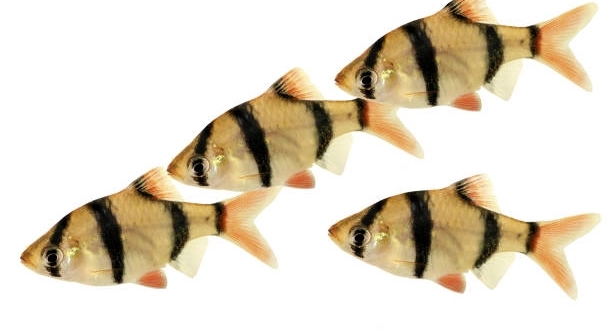
Barbs are popular freshwater fish known for their lively behavior and vibrant colors. Many aquarium owners enjoy keeping them alongside other species. Observing how barbs interact with different fish is important for maintaining a peaceful tank environment.
Barbs do react to other fish species, often displaying territorial or social behaviors depending on the species present. Their reactions can range from peaceful coexistence to mild aggression, influenced by tank size, species compatibility, and environmental factors.
Understanding how barbs respond to various fish will help create a balanced and harmonious aquarium setup that benefits all its inhabitants.
How Barbs Communicate with Other Fish
Barbs use body language and movement to communicate with other fish around them. They often swim in groups and show signals like fin flicking or chasing to establish their position in the tank. Sometimes, this communication can look like aggression, but it is usually a way to set boundaries or show dominance. When barbs feel crowded or stressed, their behavior may become more intense. Tank size and the number of fish influence how much barbs react. Keeping enough space and hiding spots helps reduce tension between barbs and other species. Barbs can also be curious and may investigate new tank mates before accepting them. Observing their interactions daily gives insight into their comfort level and helps maintain a peaceful environment.
Barbs primarily communicate through visual signals and movement patterns, helping them manage social hierarchies and territory.
Proper aquarium conditions and tank mates reduce aggressive signals and promote calm behavior among barbs and other fish. Providing ample space encourages natural, less stressful interactions.
Common Reactions Barbs Show Towards Other Species
Barbs usually react based on the species’ size, temperament, and activity level. They tend to be more aggressive toward slow-moving or long-finned fish, as barbs may nip at their fins. On the other hand, barbs generally coexist well with fish of similar size and energy. In some cases, barbs form small groups and ignore other tank inhabitants. Aggression can increase when the tank is overcrowded or if the barbs feel threatened. To prevent issues, it is essential to select compatible fish and monitor their behavior. Adjusting the environment with plants and decorations can also give fish places to retreat, reducing conflicts. Understanding these common reactions helps keep the aquarium peaceful and enjoyable for all species involved.
Signs of Stress in Barbs When Around Other Fish
Barbs show stress through changes in behavior and appearance. They may hide more often, lose their vibrant color, or stop eating. Increased fin clamping and rapid breathing are also common signs. These symptoms indicate discomfort or fear caused by tank conditions or tank mates.
Stress in barbs often results from aggressive tank mates or overcrowding. When they feel threatened, barbs may dart around nervously or become withdrawn. Poor water quality can worsen these signs, making the fish vulnerable to disease. It’s important to observe their behavior regularly and maintain clean water. Providing hiding spaces helps barbs feel safe and reduces stress. Adjusting tank mates or layout may be necessary if stress signs persist.
Recognizing stress early allows for quick action to improve the tank environment. Changes like removing aggressive fish or increasing plants can calm barbs and restore their health. Keeping a balanced tank is key to preventing stress-related issues.
Managing Aggression Between Barbs and Other Species
Aggression between barbs and other fish can often be managed by careful planning. Barbs tend to nip at slow-moving or long-finned fish, so avoiding those species can reduce conflict. Providing plenty of space and hiding spots lessens territorial disputes. Overstocking the tank should be avoided, as crowded conditions raise stress and aggression. Regular observation helps catch problems before they escalate. Using distractions such as floating plants or decorations can redirect aggressive behavior. Feeding barbs well and on schedule also keeps them less irritable. When aggression continues despite efforts, separating fish may be the best solution to maintain peace.
Ideal Tank Mates for Barbs
Barbs do best with fish that share similar energy levels and size. Fast swimmers and schooling fish often make good companions. Avoid slow, long-finned species that may become targets of fin-nipping.
Choosing compatible tank mates helps reduce aggression and stress. Peaceful, active fish promote a balanced, calm environment where barbs feel secure and social.
How Environment Affects Barb Behavior
The tank environment plays a major role in barb behavior. Dense plants and hiding spots reduce stress and aggression by providing safe retreats. A spacious tank gives barbs room to swim freely and establish territories without constant conflict.
Proper lighting and clean water support their health and natural activity. When their environment meets their needs, barbs show more relaxed and social behavior.
Feeding Barbs in a Community Tank
Feeding barbs properly prevents competition and aggression during mealtime. Offering varied food types ensures all fish receive adequate nutrition. Feeding small amounts multiple times daily keeps barbs satisfied and less likely to chase tank mates.
Observing Changes in Barb Behavior
Watching for shifts in behavior helps catch problems early. Sudden aggression or withdrawal can indicate stress, illness, or poor tank conditions.
Do barbs attack other fish species?
Barbs can show aggressive behavior, especially towards fish with long fins or slower movements. They may nip at fins or chase smaller, less active fish. However, their aggression varies by species and individual temperament. In a well-maintained, spacious tank with compatible mates, barbs tend to be less aggressive and more social.
Why do barbs nip at other fish?
Nipping is often a natural behavior related to territory or dominance. Barbs are active swimmers and can get restless in small tanks, leading to fin nipping. Lack of hiding places or overcrowding increases this behavior. Providing enough space and plants helps reduce nipping by giving all fish room to avoid each other.
Can barbs live peacefully with other fish?
Yes, barbs can live peacefully when kept with species of similar size and temperament. Fast-moving, schooling fish make good tank mates. Peaceful fish that don’t have long fins are less likely to be targeted. Proper tank setup and monitoring are essential for maintaining harmony.
How do I know if barbs are stressed?
Signs of stress include hiding, loss of color, clamped fins, and refusal to eat. Barbs may also show rapid breathing or sudden bursts of frantic swimming. Stress often results from poor water quality, aggressive tank mates, or overcrowding. Addressing these issues quickly helps restore their health.
What tank size is best for barbs?
A minimum of 20 gallons is recommended for a small group of barbs. Larger tanks provide more space for swimming and reduce territorial disputes. Overcrowding increases aggression and stress, so giving barbs plenty of room is important for their well-being.
How many barbs should I keep together?
Barbs do best in groups of at least five to six. Keeping them in schools reduces aggression toward other fish because they focus their social behavior within their own group. Smaller numbers may lead to increased bullying or stress.
What are the best plants to include in a barb tank?
Hardy plants like Java fern, Anubias, and hornwort work well. These plants provide hiding places without requiring intense care. Dense planting helps break lines of sight, reducing aggression and giving barbs places to retreat.
Can barbs be kept with bettas?
It is usually not recommended to keep barbs with bettas. Both species can be aggressive, and barbs may nip the betta’s long fins. Bettas tend to be solitary and might attack barbs. If kept together, a very large tank with plenty of hiding spots is necessary, but risks remain.
What should I feed barbs in a community tank?
A varied diet including flakes, pellets, and occasional live or frozen foods like bloodworms or brine shrimp keeps barbs healthy. Feeding small amounts multiple times a day helps reduce competition and aggression at feeding time. Make sure all fish get their share.
How do I reduce aggression between barbs and other species?
Avoid overcrowding and choose tank mates wisely. Provide hiding places and plants to break up open swimming areas. Feeding regularly and maintaining good water quality also lowers stress and aggression. If aggression persists, consider separating aggressive individuals.
Can barbs damage plants in the aquarium?
Barbs sometimes nibble on plants, but they rarely cause significant damage if the plants are sturdy. Fast-growing or tough plants tend to survive well. If plants are delicate, protect them with decorations or place them where barbs cannot reach easily.
How often should I check on barb behavior?
Daily observation is ideal to catch early signs of stress, aggression, or illness. Regular checks allow timely adjustments in tank conditions, feeding, or fish grouping. A calm and healthy tank requires ongoing attention.
What water conditions suit barbs best?
Barbs prefer water temperatures between 74–79°F (23–26°C) with a neutral to slightly acidic pH (6.5–7.5). Clean, well-filtered water with regular changes keeps them healthy. Stable water parameters reduce stress and aggressive behavior.
Can barbs be aggressive during breeding?
Yes, barbs may become more territorial and aggressive when breeding. Males especially can guard their spawning area and chase other fish away. Providing separate breeding tanks or extra hiding spots helps protect both the adults and the fry.
Are there barb species that are less aggressive?
Some barb species, like the Cherry Barb or Gold Barb, tend to be less aggressive than Tiger Barbs. These species are better suited for peaceful community tanks. Still, individual temperament and tank conditions affect behavior.
How important is tank decor for barbs?
Tank decor like plants, rocks, and driftwood is essential to reduce aggression. It creates natural barriers and hiding places, making fish feel secure. A well-decorated tank mimics natural habitats and encourages healthy social behavior among barbs and other fish.
Barbs are lively fish that bring energy and color to any aquarium. Their interactions with other fish species depend largely on the environment and the fish they are kept with. When tank conditions are right and companions are carefully chosen, barbs tend to coexist peacefully without causing major problems. Understanding their natural behavior helps in creating a tank setup that suits their needs and minimizes conflicts. It is important to remember that barbs are social animals, and they do best when kept in groups. This group dynamic not only reduces stress but also helps to control aggression within the species.
Providing the right environment is key to managing how barbs react to other fish. A spacious tank with plenty of hiding spots can reduce territorial behavior and limit aggressive encounters. Plants, rocks, and decorations create barriers that help fish feel secure and less exposed. Maintaining good water quality and keeping the tank clean also supports the overall health of barbs, which in turn lowers the chances of stress-related aggression. Feeding barbs a balanced diet regularly keeps them satisfied and less likely to chase or nip at other fish. These small but important details make a big difference in maintaining a peaceful community aquarium.
While barbs may show some aggression, especially toward slower or long-finned fish, this behavior can often be managed with the right care and planning. Choosing compatible tank mates and avoiding overcrowding helps prevent many common issues. Watching for signs of stress or changes in behavior allows for quick adjustments to the tank environment or fish selection. When barbs and other fish are happy and comfortable, they create a lively, balanced aquarium that is enjoyable to watch. Taking the time to understand how barbs interact with others is worth the effort for a calm and healthy aquatic home.

Hello,
If you enjoy the content that we create, please consider saying a "Thank You!" by leaving a tip.
Every little bit helps us continue crafting quality advice that supports the health, happiness, and well-being of pets around the world, for pets of all shapes, sizes, and species.
We really appreciate the kindness and support that you show us!