
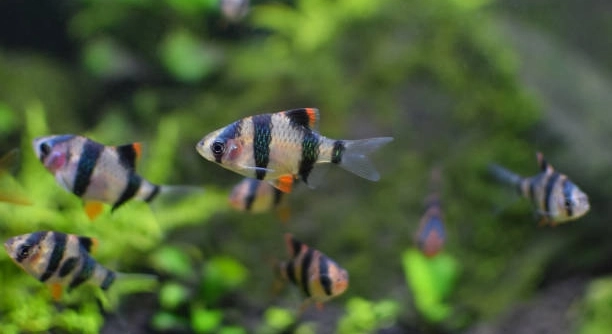
Tiger barbs are lively and colorful fish that bring energy to any aquarium. Their activity levels can change based on what they eat. Providing the right foods helps keep them active and healthy in their environment.
Certain foods enhance the activity of tiger barbs by offering essential nutrients and energy. High-protein options like bloodworms, brine shrimp, and daphnia stimulate movement and overall vitality. A varied diet ensures they remain energetic and exhibit natural behaviors.
Feeding your tiger barbs the right diet will support their liveliness and well-being in your tank. This article highlights seven foods that can boost their activity naturally.
Bloodworms Boost Activity in Tiger Barbs
Bloodworms are a popular live or frozen food choice that tiger barbs find irresistible. Rich in protein and easy to digest, bloodworms provide a quick energy source that encourages fish to swim actively. Offering bloodworms regularly can mimic natural hunting behavior, keeping tiger barbs engaged and lively. These worms also contribute essential nutrients that support muscle development and overall health. While feeding, observe their response; active feeding indicates good acceptance. It is important not to overfeed to avoid water quality issues, which can negatively impact fish behavior. Incorporating bloodworms into a varied diet enhances the natural vibrancy and movement of tiger barbs, making them more entertaining to watch. Frozen or freeze-dried bloodworms are convenient alternatives, providing similar nutritional benefits. Using bloodworms sparingly as part of a balanced feeding routine will help maintain their activity levels without overloading their digestive systems.
Bloodworms are an excellent protein source that helps tiger barbs stay active and healthy in the aquarium environment.
Feeding bloodworms encourages natural predatory instincts and provides the necessary nutrients for muscle strength. This combination results in increased movement and visible energy, improving the overall dynamics of your tank.
The Role of Brine Shrimp
Brine shrimp are a small, nutrient-dense food that tiger barbs enjoy. These tiny crustaceans are packed with proteins and fats vital for maintaining energy levels. They also contain important vitamins and minerals that support immune function. Brine shrimp can be offered live, frozen, or freeze-dried, making them a versatile choice for feeding. Their movement when live stimulates hunting instincts, promoting active swimming and interaction among the fish. Including brine shrimp in the diet not only increases activity but also helps improve coloration and health. It is important to source brine shrimp from reliable suppliers to avoid contamination. Live brine shrimp offer the best engagement and stimulation, while frozen options are convenient and nutritious. Feeding a mix of brine shrimp with other foods ensures tiger barbs get a balanced diet that supports sustained activity and well-being over time. Moderation is key to prevent uneaten food from affecting tank water quality.
Daphnia for Increased Movement
Daphnia are tiny freshwater crustaceans rich in nutrients and easy for tiger barbs to digest. Their natural movement stimulates the fish’s hunting instincts, encouraging more active swimming and playful behavior in the tank.
Daphnia are an excellent live food option that promotes physical activity in tiger barbs. Feeding daphnia regularly helps maintain muscle tone and provides vitamins essential for overall health. The small size of daphnia makes them suitable for fish of all ages, ensuring even younger tiger barbs get the nutrients they need. Their lively movement in the water encourages natural foraging behaviors, keeping the fish mentally engaged and physically active. Including daphnia in the diet can reduce boredom and lethargy, common issues in captive fish.
Incorporating daphnia alongside other live foods ensures a varied and balanced diet. This diversity supports vitality, improves immune function, and keeps tiger barbs energetic throughout the day. Daphnia’s nutritional profile also aids digestion, contributing to a healthy gut and better nutrient absorption.
High-Quality Flake Food
High-quality flake food can provide balanced nutrition when selected carefully. These flakes often include essential vitamins, minerals, and proteins that help maintain energy and overall health in tiger barbs.
Choosing premium flake food ensures that tiger barbs receive a consistent supply of nutrients required for daily activity. Unlike generic flakes, higher-end options include ingredients that support immune strength, coloration, and stamina. Regular feeding with quality flakes can complement live or frozen foods, creating a complete diet. Flakes are convenient and help maintain stable energy levels, especially when live food is not always available. It’s important to avoid overfeeding, as excess flakes can pollute the water and negatively affect fish behavior.
Quality flake food should be part of a varied feeding plan that encourages natural activity. Combining flakes with live or frozen foods supports healthy movement and keeps tiger barbs responsive and lively in the aquarium. Proper portion control ensures the benefits of flakes without compromising water quality.
Freeze-Dried Bloodworms
Freeze-dried bloodworms offer a convenient way to provide protein-rich food without the need for live feeding. They retain much of their nutritional value and are easy to store.
These bloodworms help maintain tiger barbs’ energy levels and encourage active behavior. They are a practical option for regular feeding and can be mixed with other foods to keep the diet balanced.
Vegetables for Variety
Adding vegetables like peas or spinach introduces fiber and nutrients that support digestion and overall health in tiger barbs. Vegetables help prevent constipation and promote a balanced diet.
Including vegetables in the feeding routine diversifies nutrition and supports a healthy gut, which in turn helps tiger barbs stay active and energetic over time.
Frozen Brine Shrimp
Frozen brine shrimp provide essential proteins and fats necessary for tiger barbs’ vitality. They are an easy-to-prepare food that encourages movement.
Live Worms
Live worms stimulate natural hunting instincts and provide fresh nutrients that support activity and muscle development.
FAQ
What foods make tiger barbs more active?
Protein-rich foods like bloodworms, brine shrimp, and daphnia are known to boost tiger barbs’ activity. These foods provide essential nutrients that help increase energy and stimulate natural hunting behaviors. Including a variety of live, frozen, or freeze-dried protein sources in their diet encourages more movement and liveliness.
How often should I feed live foods to my tiger barbs?
Feeding live foods two to three times a week is usually sufficient to keep tiger barbs active without causing water quality problems. Overfeeding can lead to leftover food that pollutes the tank. It’s important to balance live foods with quality flakes or pellets to ensure a complete diet.
Can frozen or freeze-dried foods replace live foods?
Frozen and freeze-dried foods are good alternatives that still provide essential nutrients. While live foods better stimulate natural behavior, frozen and freeze-dried options are more convenient and less likely to introduce contaminants. They work well when live food is not available or for daily feeding.
Are vegetables necessary in a tiger barb’s diet?
Yes, vegetables add fiber and nutrients that help digestion and prevent constipation. Leafy greens like spinach and peas are easy to prepare and offer variety to their diet. Including vegetables supports overall health and can contribute to sustained activity.
What is the best flake food for tiger barbs?
Choose high-quality flake food that contains a balanced mix of proteins, vitamins, and minerals. Premium flakes support immune health, coloration, and stamina. Avoid low-quality flakes that might lack essential nutrients or contain fillers that don’t support activity.
How can I tell if my tiger barbs are active enough?
Healthy tiger barbs swim actively, explore their environment, and show interest in food. If they are lethargic or hiding constantly, their diet or water conditions might need adjustment. Regular observation helps ensure they remain lively and healthy.
Can feeding too much protein harm tiger barbs?
Yes, excessive protein can stress the fish’s system and lead to poor water quality. Overfeeding causes uneaten food and waste buildup, which harms tank conditions and can reduce activity levels. Moderation and a balanced diet are key.
Is variety important in a tiger barb’s diet?
Variety is crucial for meeting all nutritional needs and preventing boredom. Mixing live, frozen, freeze-dried foods with flakes and vegetables ensures tiger barbs get a wide range of nutrients, promoting health and steady activity.
Should I change the diet as tiger barbs grow?
Yes, younger fish may need smaller, more frequent meals with easily digestible foods like daphnia. Adults benefit from a more varied diet with higher protein to maintain energy. Adjust feeding amounts and types as they grow.
How does water quality affect tiger barb activity?
Poor water quality can cause stress and lethargy in tiger barbs, reducing activity regardless of diet. Regular tank maintenance, proper filtration, and monitoring parameters like ammonia and nitrate levels are essential to keep fish energetic.
Are commercial pellets good for tiger barbs?
High-quality pellets can be a convenient staple, offering balanced nutrition. Look for pellets formulated for tropical fish with protein content suitable for tiger barbs. Pellets alone may not fully stimulate activity but work well combined with live or frozen foods.
Can I feed tiger barbs human food?
Some human foods like cooked peas or spinach can be offered occasionally, but avoid anything processed, salty, or fatty. Human food is not a substitute for a balanced fish diet and should be given sparingly to avoid health issues.
How much food should I give my tiger barbs each day?
Feed an amount that they can consume within two to three minutes, once or twice daily. Small portions prevent overfeeding and help maintain water quality, supporting their natural activity levels.
What signs indicate a poor diet in tiger barbs?
Signs include dull coloration, sluggish swimming, loss of appetite, and frequent hiding. If these appear, review the diet and water conditions to improve nutrition and tank environment, helping restore their activity.
Do tiger barbs require supplements?
Generally, a varied diet with high-quality foods provides sufficient nutrients. Supplements might be necessary only if specific deficiencies appear, but routine feeding of diverse foods usually meets their needs well.
Feeding tiger barbs the right foods plays a big role in keeping them active and healthy. Providing a mix of protein-rich options like bloodworms, brine shrimp, and daphnia can give them the energy they need to swim and behave naturally. Including vegetables adds fiber and nutrients that support digestion and overall well-being. Using high-quality flake foods helps maintain a balanced diet when live or frozen foods are not available. A varied diet prevents boredom and supports the fish’s immune system, making sure they stay lively in the aquarium.
It is also important to pay attention to how much and how often you feed your tiger barbs. Overfeeding can lead to leftover food in the tank, which harms water quality and can cause the fish to become less active. Feeding small amounts that the fish can finish quickly helps avoid these problems. Feeding live foods two or three times a week, along with daily feeding of flakes or pellets, is usually enough to keep tiger barbs energetic. Watching their behavior regularly will help you notice if changes to their diet or tank conditions are needed to improve their activity.
Maintaining good water quality is just as important as feeding a proper diet. Poor water conditions can cause stress and reduce the fish’s energy no matter how good their food is. Keeping the tank clean and monitoring water parameters will create a healthy environment for your tiger barbs. When their diet is balanced and the tank is well cared for, tiger barbs will show more natural behaviors and increased activity. This makes watching and caring for them more enjoyable and rewarding.

Hello,
If you enjoy the content that we create, please consider saying a "Thank You!" by leaving a tip.
Every little bit helps us continue crafting quality advice that supports the health, happiness, and well-being of pets around the world, for pets of all shapes, sizes, and species.
We really appreciate the kindness and support that you show us!