
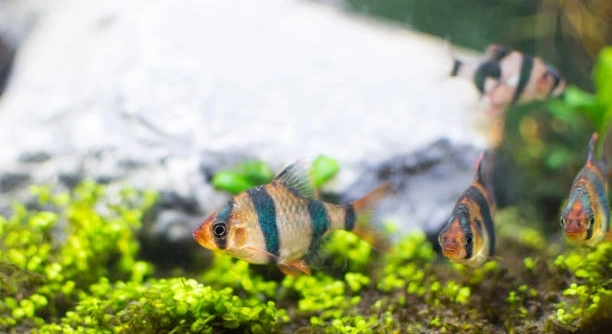
Barbs are active and social fish that need enough space to thrive. When their environment becomes cramped, their behavior and health can change noticeably. Recognizing these signs early helps maintain a balanced tank.
Overcrowding in a barb tank causes stress, aggressive behavior, and poor water quality. Limited space restricts swimming and natural activity, which can lead to illness and a shorter lifespan. Proper stocking levels are essential for their well-being and tank stability.
Knowing the clues that suggest your barbs feel overcrowded helps you act before problems worsen. This article outlines key signs to watch for to keep your tank healthy and comfortable for your fish.
Restlessness and Constant Movement
Barbs usually swim actively, but when they feel overcrowded, their behavior changes. You might notice them darting around the tank more than usual or bumping into each other frequently. This restlessness happens because they don’t have enough room to establish their territories or swim freely. Some barbs may also try to escape the tank or hide in corners. These behaviors are signs of stress caused by limited space. Watching for unusual activity can help you spot overcrowding early. It is important to maintain a proper number of barbs based on your tank size to avoid this.
Stress from overcrowding affects their natural behavior, making them more aggressive or withdrawn.
When barbs don’t have enough space, their usual calm and balanced swimming becomes chaotic. Their constant movement wastes energy and can weaken their immune system. Overcrowded tanks also mean poor water circulation, which worsens oxygen levels. Barbs need room to swim comfortably for their physical and mental health. If the tank feels too full, it’s best to reduce the number of fish or upgrade to a larger tank to provide a better environment.
Increased Aggression and Fighting
Barbs become more aggressive when the tank is overcrowded.
Overcrowding leads to competition for space, food, and hiding spots, triggering fights. This aggression causes injuries and stress among the fish.
Aggression is a common response to overcrowded living conditions in barbs. When too many fish share a small space, they start competing more fiercely for resources like food and shelter. Dominant barbs may chase or nip at weaker ones to establish control, which increases the risk of physical harm. This behavior disrupts the social balance of the tank, making it an unhealthy environment. It also adds stress that weakens their immune system, making them prone to diseases. To reduce fighting, ensure your tank is not overstocked and add plenty of plants or decorations that offer hiding places. This creates a more peaceful setting where barbs can coexist without constant conflict.
Poor Water Quality
Poor water quality is a clear sign of overcrowding. Waste from too many fish builds up quickly, making the water unhealthy.
When a tank is overcrowded, the filtration system struggles to keep up with the amount of waste produced. Excess ammonia and nitrites can harm barbs, causing stress and illness. Even frequent water changes may not be enough if the fish population exceeds the tank’s capacity. Poor water conditions reduce oxygen levels, making it harder for fish to breathe. Keeping the number of barbs within recommended limits helps maintain water quality and prevents these issues from developing.
Proper filtration and regular testing are essential. Overcrowding overwhelms these efforts, so adjusting stocking levels is often necessary to restore balance and protect the fish’s health.
Visible Signs of Stress
Barbs showing physical stress often have faded colors or damaged fins. These signs appear when overcrowding causes constant fighting or poor living conditions.
Stress weakens their immune system, making barbs more vulnerable to diseases. Prolonged overcrowding can cause lethargy or loss of appetite. Injuries from aggression might also become infected, further harming their health. Watching for these visible changes is important to identify overcrowding early and take action. Improving tank conditions by reducing the number of fish or adding hiding spots helps barbs recover. Healthy, well-spaced barbs have bright colors and active behavior, which are indicators of good care and proper environment.
Reduced Growth and Development
Barbs in overcrowded tanks often show slower growth. Limited space and stress affect their development.
Competition for food also reduces nutrition, making it harder for them to grow healthy and strong.
Frequent Disease Outbreaks
Overcrowded conditions increase the spread of diseases among barbs. Stress weakens their immune system, and poor water quality creates a breeding ground for bacteria and parasites. Infections can spread quickly, making it difficult to control illness in the tank. Keeping the tank less crowded reduces these risks and helps barbs stay healthier for longer.
Hiding Behavior
Barbs may hide more often when feeling overcrowded. Limited space makes it hard for them to find safe spots to relax.
How many barbs can I keep in my tank without overcrowding?
The general rule is one inch of fish per gallon of water, but this varies by barb species and tank setup. For example, smaller barbs like cherry barbs need less space than larger species such as tiger barbs. A typical 20-gallon tank can comfortably house about 6 to 8 small to medium-sized barbs. Overcrowding happens when too many fish are placed in a tank without enough room to swim freely or sufficient filtration. Monitoring fish behavior and water quality helps determine if the stocking level is appropriate.
What are the best ways to reduce overcrowding if I already have too many barbs?
If your tank feels overcrowded, the simplest option is to move some fish to another tank or find new homes for them. Another option is upgrading to a larger tank to give your barbs more space. Adding plants and decorations can create visual barriers and hiding spots, reducing stress and aggression. Regular water changes and improved filtration also help maintain water quality when fish density is high, but they do not replace the need for adequate space.
Can overcrowding affect the lifespan of my barbs?
Yes, overcrowding can shorten your barbs’ lifespan. Stress from limited space and aggressive behavior weakens their immune systems, making them prone to infections and diseases. Poor water quality from excess waste further harms their health. Providing a balanced environment with enough room, proper filtration, and regular maintenance supports longer, healthier lives for your fish.
How often should I test the water quality in a crowded barb tank?
In a crowded tank, water quality can decline quickly. Testing at least twice a week for ammonia, nitrite, nitrate, and pH levels is recommended. This helps catch any harmful changes early and allows timely interventions like water changes or adjusting filtration. Consistent monitoring is vital to prevent health issues and keep barbs comfortable.
What signs indicate that overcrowding is causing aggression in my barbs?
Increased chasing, nipping at fins, and visible injuries are clear signs of aggression linked to overcrowding. Barbs might also show erratic swimming patterns or become territorial over small spaces. This behavior can escalate if the tank remains overcrowded. Adding hiding spots or reducing the number of fish usually helps calm the situation.
Is it normal for barbs to hide a lot?
Some hiding is normal, but excessive hiding can signal stress, often caused by overcrowding or poor water conditions. When barbs hide constantly, they may feel threatened or unable to find safe space to rest. Improving tank space, reducing aggression triggers, and ensuring good water quality can encourage more natural, active behavior.
How can I improve water circulation in an overcrowded tank?
Improving water circulation helps oxygenate the tank and remove waste more efficiently. Adding a stronger filter or using additional powerheads can increase flow. Rearranging decorations to prevent dead spots where water stagnates also helps. Proper circulation is important, but it won’t fix overcrowding itself—space and stocking levels must be addressed too.
Can overcrowding lead to permanent damage in barbs?
Yes, prolonged overcrowding can cause lasting damage. Constant stress and repeated injuries weaken their health over time. Faded colors, torn fins, and chronic illness can result if overcrowding isn’t corrected. Early action improves their chances of recovery, so monitoring behavior and environment is essential.
Are some barb species more tolerant of crowding than others?
Some species tolerate closer quarters better due to their natural behavior or size. For example, tiger barbs are known to be aggressive and need more space, while cherry barbs are calmer and adapt better to smaller tanks. Still, every species requires adequate space for swimming and health. Understanding the needs of your specific barb type helps prevent overcrowding issues.
What can I do to prevent overcrowding when setting up a new barb tank?
Start by researching the adult size and behavior of the barbs you want. Choose a tank size that can comfortably hold the number of fish you plan to keep, allowing extra room for growth. Install a good filtration system and plan regular maintenance. Introduce fish slowly to avoid sudden increases in bio-load. Having a clear stocking plan helps create a stable and healthy environment from the start.
Final Thoughts
Keeping barbs in a properly sized tank is important for their health and happiness. Overcrowding can cause many problems, such as stress, aggression, poor water quality, and disease. These issues not only harm the fish but also make caring for the tank more difficult. Watching for signs like constant movement, hiding, or faded colors helps identify overcrowding early. Taking steps to reduce the number of fish or upgrading the tank can improve their environment significantly.
A well-maintained tank supports the natural behavior and growth of barbs. Providing enough space allows them to swim freely and reduces competition for food and hiding spots. When barbs have room to establish their own territories, they are less likely to fight. Clean water and good filtration also play a big role in keeping the tank healthy. Regular water testing and maintenance help catch problems before they become serious. The right balance of fish, tank size, and care creates a peaceful, thriving environment.
Making changes to fix overcrowding may require effort, but the benefits are worth it. Healthier barbs live longer, show brighter colors, and behave more naturally. A balanced tank is also more enjoyable to watch and easier to maintain. Taking the time to learn about your barbs’ needs and adjusting their space accordingly helps prevent many common problems. By paying attention and acting early, you can ensure your barbs have a safe and comfortable home where they can flourish.

Hello,
If you enjoy the content that we create, please consider saying a "Thank You!" by leaving a tip.
Every little bit helps us continue crafting quality advice that supports the health, happiness, and well-being of pets around the world, for pets of all shapes, sizes, and species.
We really appreciate the kindness and support that you show us!