
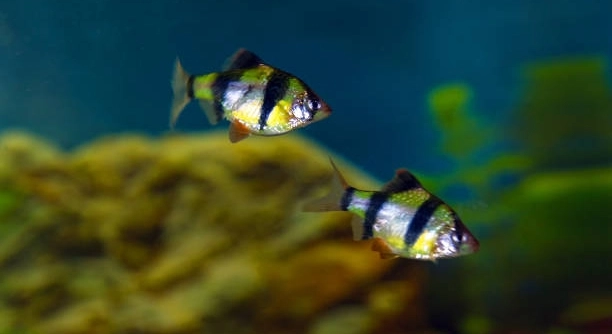
Barbs are lively fish that enjoy exploring their environment. They often need places to hide and feel safe. Providing extra hiding spots can help keep them calm and healthy in their tank.
Barbs require additional hiding spots during times of stress, illness, breeding, or changes in their environment. These shelters reduce aggression, provide security, and promote natural behaviors essential for their well-being.
Knowing when and why barbs need more hiding places will help you create a better home for them. This article explains seven important moments when extra cover matters most.
When Barbs Are New to the Tank
Bringing barbs into a new tank can be stressful for them. They need time to adjust to the new surroundings, water conditions, and tank mates. During this period, extra hiding spots help them feel safe and reduce their stress levels. Without enough places to retreat, barbs may hide poorly or become aggressive. Adding plants, rocks, or decorations where they can hide makes a big difference. It helps barbs build confidence as they explore their new home slowly. Watching them gradually become comfortable can be rewarding. The tank owner should also ensure water quality is stable to avoid added stress. Over time, these hiding spots become familiar safe zones for the fish. This helps barbs feel secure and less likely to show signs of distress.
Providing enough hiding spots is important when barbs are settling into a new tank environment.
Extra hiding places give barbs a sense of safety during this adjustment. They reduce stress and aggression while promoting healthier behavior. It’s a simple way to support their transition.
During Breeding and Spawning
Barbs need extra hiding spots during breeding and spawning periods. They often become more territorial and aggressive during this time. Hiding spots give each fish space to claim its area and avoid constant fighting. Some barbs may want to protect their eggs or young fry, so secluded areas are essential for safety. Without enough cover, eggs may get eaten or destroyed by other fish. Breeding pairs also need privacy to carry out their activities without interruption. Creating zones with plants or caves encourages natural behavior. Tank owners can add floating plants or dense foliage to help reduce light and stress. It’s important to monitor the fish during this time but avoid disturbing their hiding spots. Maintaining water quality and stable temperature helps keep breeding conditions optimal. Giving barbs enough room to hide during breeding supports healthy reproduction and lowers stress.
When Barbs Feel Threatened
Barbs hide more when they sense danger or stress. This can come from sudden noises, new tank mates, or water changes.
Stress triggers barbs to seek shelter as a natural response to feel protected. Providing hiding spots reduces their anxiety and helps prevent illness. Barbs that hide often are trying to stay safe until they feel calm again. If hiding increases, it may be a sign to check tank conditions or fish behavior for problems.
Hiding spots should be easy to access and varied in size. This helps barbs find the right place based on their size and comfort needs. Plants, caves, and decorations all work well to create a safe environment. A secure tank helps reduce stress and keeps barbs healthy longer.
During Illness or Injury
Sick or injured barbs need quiet, safe places to recover without being disturbed. They often hide to avoid attacks or stress from other fish.
Extra hiding spots allow sick barbs to rest and heal in peace. Barbs that feel vulnerable are less likely to eat or swim if they cannot find cover. Hiding reduces stress hormones and supports recovery. Keep the water clean and monitor their condition closely during this time. Separate tanks or quarantine setups with hiding places may be necessary for severe cases. Ensuring easy access to food and minimal tank disruptions helps speed up healing. A calm environment is critical for helping barbs regain strength safely.
When Tankmates Are Aggressive
Barbs need extra hiding spots when living with aggressive fish. These spots help them avoid conflicts and reduce stress.
Hiding places act as safe zones where barbs can escape attacks or bullying. Without enough cover, barbs may become injured or stressed, leading to health problems.
During Water Changes or Maintenance
Water changes can upset barbs because of the sudden disturbance. Extra hiding spots help them feel secure while the tank is being cleaned.
Providing plenty of shelters lets barbs retreat and lowers their stress during these necessary but disruptive times. This supports their well-being and keeps the tank environment calm.
When Barbs Are Young or Small
Young or smaller barbs are more vulnerable and need plenty of hiding spots. These safe areas protect them from larger tankmates and reduce their risk of injury.
Having enough cover helps young barbs grow confidently. It allows them to explore the tank safely and avoid stressful encounters with other fish.
FAQ
Why do barbs need hiding spots in their tank?
Hiding spots provide barbs with places to feel safe and reduce stress. In the wild, barbs use plants and rocks to avoid predators and rest quietly. In a tank, hiding places help mimic this natural behavior, preventing aggression and promoting overall health.
How many hiding spots should I provide for my barbs?
The number depends on your tank size and the number of fish. A good rule is to have several hiding places spread around the tank. This way, every barb can find a safe spot without crowding others. Having varied types of shelters, like caves and plants, works best.
What kinds of hiding spots are best for barbs?
Barbs like a mix of natural and artificial shelters. Live or artificial plants, caves, driftwood, and rock formations all work well. Make sure the spots are large enough for your barbs to swim in and small enough to feel secure. Avoid sharp edges that could harm the fish.
Can too many hiding spots cause problems?
Too many hiding places can reduce open swimming space, which barbs also need. It’s important to balance hiding spots with enough free space to keep the tank environment healthy and active. Watch how your fish behave and adjust as needed.
Do barbs use hiding spots only when scared?
No, barbs also use hiding spots to rest, explore, and feel secure. They are naturally curious but cautious fish. Having safe spaces allows them to choose when to be active and when to relax quietly.
How can I tell if my barbs need more hiding spots?
Signs include increased hiding, aggression, or stress behaviors like erratic swimming or loss of appetite. If your barbs seem tense or some fish are bullying others, adding more shelters can help ease the situation.
Should hiding spots be cleaned regularly?
Yes, it’s important to clean hiding spots during tank maintenance to prevent algae buildup and harmful bacteria. Use gentle methods to avoid disturbing your barbs too much. Removing and rinsing decorations or trimming plants can keep the tank healthy.
Can barbs fight over hiding spots?
Barbs can show territorial behavior, especially during breeding or stress. Providing multiple hiding places helps reduce competition. Make sure there is enough room for each fish to claim its own space without conflict.
Is it better to use live plants or artificial ones?
Both live and artificial plants can provide good hiding spots. Live plants improve water quality and offer natural shelter but require care. Artificial plants are easier to maintain and come in many shapes. A mix of both often works best for barbs.
Do barbs hide more during nighttime?
Barbs tend to be less active and may use hiding spots more at night to rest safely. Providing quiet, dark areas helps them feel secure during these times and supports healthy sleep patterns.
Providing extra hiding spots for barbs is important for their comfort and health. Barbs are active fish that need places to feel safe when they get stressed, sick, or threatened. Without enough cover, they can become aggressive, anxious, or even sick. Simple additions like plants, caves, or decorations make the tank feel more like their natural habitat. This helps barbs behave normally and stay healthy. As a tank owner, it’s important to observe your fish and notice when they might need more places to hide.
Different situations call for extra hiding spots. New barbs need safe spaces to adjust when first introduced to a tank. During breeding, hiding places help reduce fights and protect eggs or young fish. If the tank has aggressive fish or frequent maintenance, barbs use shelters to escape stress. Young or small barbs are especially vulnerable and benefit from plenty of safe zones. By understanding these moments, you can provide the right environment to meet your barbs’ needs.
Regularly check your tank setup to make sure hiding spots are clean and safe. Overcrowding with decorations can reduce swimming space, so find a good balance. Variety in hiding places is also helpful—some barbs prefer plants, others caves. The goal is to create a peaceful and secure environment. When barbs feel safe, they show better color, swim actively, and eat well. Taking the time to add and maintain good hiding spots supports their long-term well-being and enjoyment in your aquarium.

Hello,
If you enjoy the content that we create, please consider saying a "Thank You!" by leaving a tip.
Every little bit helps us continue crafting quality advice that supports the health, happiness, and well-being of pets around the world, for pets of all shapes, sizes, and species.
We really appreciate the kindness and support that you show us!