
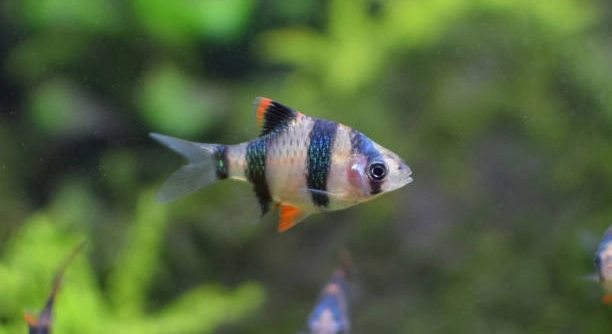
Barbs are popular fish for home aquariums, known for their lively swimming and colorful appearance. Many fishkeepers enjoy decorating tanks with plants and ornaments to create a natural environment. Sometimes, barbs seem to bump into these decorations unexpectedly.
Barbs often bump into decorations because of their active and sometimes aggressive swimming behavior. Their fast movements, territorial instincts, and curious nature increase the chances of collisions, especially in crowded or cluttered tank setups.
Learning why barbs behave this way helps improve tank arrangements and ensures a safer space for your fish to thrive.
Why Barbs Are So Active Around Decorations
Barbs are naturally energetic swimmers. They love to explore their surroundings, often darting quickly from one spot to another. This active behavior can make them bump into tank decorations, especially if the space is limited. When the aquarium is crowded with plants, rocks, or ornaments, barbs may accidentally collide with these objects as they chase each other or establish their territory. Their quick, sudden movements sometimes cause unintentional contact with decorations. Barbs also use decorations as hiding spots or resting areas, which means they spend a lot of time near these objects. Their curious nature drives them to investigate every corner, increasing the chance of bumps. Sometimes, young or inexperienced barbs are more prone to these collisions because they are still learning how to navigate the tank efficiently. Overall, barbs’ lively and territorial habits combined with a busy aquarium environment explain why they might bump into decorations regularly.
Barbs’ speed and curiosity make them prone to hitting objects during tank exploration.
Providing enough open space reduces the risk of barbs bumping into decorations, keeping them safe and stress-free.
How Tank Setup Affects Barb Behavior
The way a tank is arranged directly influences how barbs swim and interact with their environment. A crowded tank with too many decorations or plants can limit swimming space, causing barbs to navigate carefully and sometimes collide with obstacles. Barbs need enough room to swim freely and establish their territories without constant interference. Decorations placed too close together can create narrow pathways that barbs may rush through, increasing the chance of bumping. Additionally, sharp or rough decorations can hurt barbs when they accidentally run into them. Smooth surfaces and rounded edges are better choices for tank ornaments to avoid injury. Barbs also react to water flow; strong currents can push them toward decorations unintentionally. A well-planned tank setup balances open swimming areas with enough hiding spots to satisfy the barbs’ need for security. This careful arrangement helps reduce accidental bumps and supports healthier fish behavior.
Barbs’ Territorial Behavior
Barbs are known to be territorial, especially males. They often chase other fish or each other to claim space. This chasing sometimes leads them to bump into decorations while defending their area.
Territorial behavior means barbs swim aggressively around their chosen spots. When they feel threatened, they dart quickly, which can cause collisions with plants or tank ornaments. This is more common in smaller tanks where space is limited. If barbs feel crowded, their chasing becomes more intense, increasing the risk of bumping. It’s important to observe their behavior and provide enough space or hiding spots to reduce stress and aggression.
Keeping barbs in groups of appropriate size and ensuring ample space helps manage their territorial instincts. Decorating with smooth, spaced-out ornaments minimizes injury risk during their chasing.
The Role of Lighting and Water Flow
Lighting can affect how barbs move. Bright or flickering lights may make them jumpy or nervous, causing sudden movements near decorations. Consistent, moderate lighting helps keep barbs calm and less likely to bump into objects.
Water flow influences barb swimming patterns. Strong currents push them toward tank decorations unintentionally, especially if the setup doesn’t allow easy swimming paths. Adjusting flow to a gentle, even stream helps barbs swim naturally without forced collisions. Combining proper lighting and controlled water flow creates a balanced environment where barbs can swim safely and confidently, reducing stress and accidental bumps.
How Barbs Use Decorations
Barbs often swim around decorations to feel safe or rest. They use plants and ornaments as hiding spots from other fish or bright lights. These places give them a sense of security.
Sometimes, barbs nibble or push against decorations out of curiosity or to mark their territory. This behavior can lead to more frequent contact with tank objects.
Choosing Safe Decorations
Selecting smooth, rounded decorations reduces the risk of barbs hurting themselves. Avoid sharp or fragile items that could cause injury during their fast movements.
Maintaining Tank Space
Keeping enough open swimming space helps barbs move freely without constant collisions. Regularly rearranging decorations can prevent overcrowding and make the tank safer for active fish.
FAQ
Why do barbs keep bumping into decorations even though there seems to be enough space?
Barbs are very active swimmers who often dart around quickly, sometimes without fully noticing their surroundings. Even in tanks with enough space, their sudden movements and bursts of speed can lead to accidental bumps. They also chase each other during territorial disputes, which can cause them to misjudge distances and hit decorations unexpectedly. Sometimes reflections or shadows in the tank can confuse them, making collisions more likely. Ensuring the tank has smooth decorations and wide open areas reduces injuries but does not completely stop accidental contact.
Can barbs hurt themselves by bumping into tank decorations?
Yes, barbs can sometimes get minor injuries if they hit sharp or rough decorations. Scratches or torn fins may occur if the decorations are not smooth or have edges. To protect your fish, it’s best to choose ornaments made from smooth materials and avoid glass shards, sharp rocks, or plastic items with hard edges. If a barb appears injured, checking water quality and possibly adding aquarium salt can help the healing process. Preventing injuries by careful decoration choices is key to keeping barbs healthy.
Does the number of barbs in the tank affect how often they bump into decorations?
Definitely. When there are too many barbs in a tank that’s too small, they become more territorial and aggressive. This causes more chasing and fast swimming, which leads to more collisions with tank decorations. Keeping an appropriate group size based on tank dimensions helps reduce stress and bumps. A general rule is to have at least 20 gallons for a small school of barbs, and avoid overcrowding with other fish. More space means less forced movement near decorations.
Will rearranging tank decorations help reduce barbs bumping into objects?
Yes, rearranging decorations periodically can help by creating new swimming routes and open spaces. Barbs can become territorial about certain areas, so changing the layout breaks up their usual chasing paths and lowers the chances of constant collisions. It also keeps the environment stimulating for the fish, which helps reduce stress. When rearranging, try to leave wide open zones and cluster decorations with smooth edges in corners to provide shelter without blocking swimming space.
How does lighting impact barbs’ interaction with decorations?
Harsh or flickering lights can startle barbs, causing quick, erratic swimming that leads to bumping into objects. Consistent, moderate lighting makes them feel calmer and more secure. Using natural-spectrum LED lights with a regular day-night cycle is ideal. You can also create shaded areas with taller plants or decorations to help barbs feel safe. Proper lighting balance supports healthy behavior and reduces accidental collisions.
Are some decorations better than others for tanks with barbs?
Yes, smooth, rounded decorations are best for tanks with active barbs. Natural plants, driftwood, and rounded stones provide safe hiding spots without sharp edges. Avoid decorations made of glass shards, hard plastics, or anything with spikes or rough surfaces. These safer options reduce injury risk when barbs bump into or swim around them. Also, using live plants can help soften the tank environment and absorb some of the barbs’ energy through natural movement and interaction.
Can water flow cause barbs to bump into decorations more often?
Strong currents can push barbs toward tank decorations unintentionally. Barbs may struggle to swim against a heavy flow and end up hitting objects placed in their path. Adjusting the filter output or adding flow deflectors helps create a gentler, more even current. This allows barbs to swim naturally and reduces the chance of being pushed into decorations. A balanced water flow mimics natural conditions and supports healthy swimming behavior.
What should I do if my barbs get injured from bumping into decorations?
If injuries occur, improve water quality by doing regular water changes and checking parameters like ammonia and nitrite levels. Adding aquarium salt in recommended amounts can aid healing and prevent infections. Remove or replace sharp decorations to avoid further harm. Isolate severely injured barbs in a quarantine tank if necessary to give them a safer space to recover. Monitoring their behavior and appearance closely will help you act quickly if issues arise.
How can I create a barb-friendly tank environment?
Design your tank with plenty of open swimming space and avoid overcrowding with decorations or fish. Use smooth, rounded ornaments and live or artificial plants for hiding spots. Maintain moderate, stable lighting and gentle water flow. Keep barbs in appropriate group sizes to reduce aggression. Regularly rearrange decorations to keep the environment fresh and reduce territorial conflicts. This thoughtful setup helps barbs swim freely and stay healthy without frequent collisions.
Are younger barbs more likely to bump into decorations than adults?
Young barbs may be more prone to bumping into decorations because they are still learning to navigate their environment. They tend to be more curious and less coordinated, which can lead to more accidental contact with tank objects. As they grow and become familiar with the tank layout, these bumps usually decrease. Providing a safe, spacious environment helps young barbs develop better swimming skills and avoid injuries during this learning stage.
Barbs are lively fish that bring energy and color to any aquarium. Their active swimming and natural curiosity sometimes cause them to bump into decorations. This behavior is normal and happens for several reasons, such as their need to explore, defend territory, or find hiding places. Understanding these reasons helps fishkeepers create a safer and more comfortable environment for their barbs. By paying attention to tank layout, decoration types, and fish behavior, it is possible to reduce the number of collisions and keep barbs healthy.
Creating a well-planned aquarium is key to minimizing bumps. Providing enough open space for barbs to swim freely is essential. Decorations should be smooth and arranged to avoid sharp edges or narrow paths. Proper lighting and water flow also play important roles in keeping barbs calm and able to move naturally. When barbs have room to swim and rest safely, they are less likely to stress and bump into objects. Group size matters too; overcrowding causes more chasing and accidents. A balanced tank setup supports better behavior and fewer injuries.
Finally, monitoring your barbs and their environment regularly ensures any problems are caught early. Injuries from bumps can be treated, but prevention is always better. Changing tank decorations periodically keeps the space interesting and reduces territorial disputes. With careful care and attention, barbs will thrive, swim actively, and make a lively addition to your aquarium without frequent accidents. A safe and comfortable tank benefits both fish and their keepers alike.

Hello,
If you enjoy the content that we create, please consider saying a "Thank You!" by leaving a tip.
Every little bit helps us continue crafting quality advice that supports the health, happiness, and well-being of pets around the world, for pets of all shapes, sizes, and species.
We really appreciate the kindness and support that you show us!