
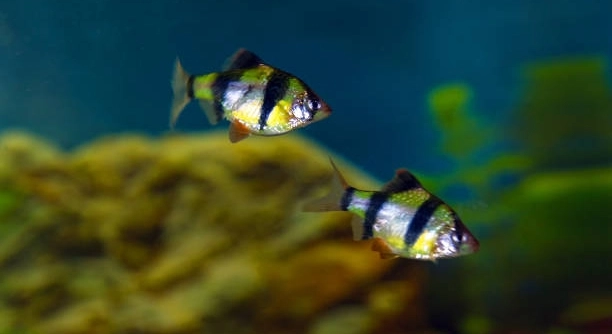
Barb movement patterns reveal how these fish behave in their natural and captive environments. Understanding these patterns helps in managing their well-being and social interactions. Many enthusiasts notice distinct behaviors that reflect their movement styles.
Barb movement patterns are influenced by environmental conditions, social hierarchy, and species-specific traits. These factors determine their swimming speed, territory range, and interaction methods within groups, which are crucial for survival and reproduction.
Knowing more about these patterns can improve care and observation. This article will share seven key facts to better understand barb fish behavior and needs.
Social Hierarchy Shapes Movement
Barbs often swim in groups called shoals, where each fish has a specific place in the social order. Dominant barbs lead the group and explore new areas, while less dominant ones tend to stay close together for safety. This structure affects their movement patterns significantly. When a new fish joins the group, the hierarchy is tested, leading to changes in swimming behavior until roles settle. Barbs use quick darting motions to signal submission or aggression, which helps maintain balance. The environment, such as available space and hiding spots, also influences how they move. In smaller tanks, movements become more restricted and interactions more intense. Understanding these social roles is key to providing an environment where barbs can move naturally and reduce stress. Observing their swimming can reveal much about their comfort and health.
Social hierarchy directly influences barb movement by determining group roles and interaction dynamics, affecting how and where they swim.
Recognizing these patterns allows for better tank setup and social management. Barbs that can express natural behaviors tend to be healthier and less aggressive. Proper group size and environmental enrichment promote natural movement and reduce stress. This also helps prevent injuries caused by constant chasing or fighting. In larger tanks, barbs have more freedom to swim and establish territories. Adding plants and decorations encourages exploration and hiding, balancing social tension. Keeping an eye on changes in movement can signal health or social issues early. Adjusting the environment or group makeup based on these observations supports their well-being. This knowledge helps maintain a peaceful tank and more vibrant, active fish.
Environmental Factors Affect Movement
Barb movement is closely linked to their surroundings. Temperature, water quality, and tank size all affect how these fish swim. Cold water slows them down, while warm water makes them more active. Poor water quality can lead to lethargy or erratic swimming. A cramped tank limits their ability to explore and can cause stress. On the other hand, a well-maintained, spacious tank encourages natural, varied movement. Decorations and plants offer places to hide or swim through, enriching their environment. Lighting also plays a role; barbs tend to be more active during daylight hours and rest when it’s dark. Careful attention to these factors helps ensure their movements stay healthy and natural, reducing the risk of illness.
Proper environmental conditions are essential for natural and healthy barb movement patterns.
Movement Patterns Reflect Feeding Behavior
Barbs often change their swimming style depending on feeding times. They become more active and swim faster when food is introduced. This behavior shows their natural instinct to compete and gather food quickly.
When feeding, barbs usually form tight groups near the surface or substrate, darting quickly to grab flakes or pellets. This quick movement helps them avoid rivals and secure enough food. In the wild, this behavior increases their chances of survival by ensuring they eat before others can. Barbs can be quite aggressive during feeding, sometimes chasing others away. Watching these patterns can help you understand if all fish are eating well or if some need extra attention. Adjusting feeding methods or amounts can reduce competition and stress, promoting healthier fish.
Besides speed and group behavior, feeding times also influence barb positioning in the tank. Some barbs prefer surface feeding, while others search for food near plants or decorations. This variety in movement reflects their natural habits and helps maintain balance in a community tank. Offering different types of food encourages diverse activity and mimics their natural foraging. Observing these subtle movement changes during feeding offers insight into their health and happiness.
Rest and Movement Cycles
Barbs follow a daily rhythm, alternating between periods of rest and activity. Their movement slows down significantly during the night or in low light.
During rest periods, barbs tend to stay near plants or decorations, reducing movement to conserve energy. They do not truly sleep but enter a restful state with minimal motion. This behavior helps them recover and prepare for the next active phase. Daylight triggers increased swimming and exploration, as they search for food and interact socially. Recognizing these cycles can help in creating an environment that respects their natural rhythms. Proper lighting schedules and quiet times support their well-being.
Maintaining consistent light and dark cycles in the tank supports these natural movement rhythms. Irregular lighting or disturbances at night can stress the fish and disrupt rest. A peaceful environment with stable conditions promotes balanced activity and rest. This balance is essential for their health, reducing signs of stress such as frantic swimming or hiding. Understanding and supporting these cycles ensures barbs remain calm and energetic at appropriate times. It also helps owners know when movement changes might signal health problems rather than normal behavior.
Schooling Behavior Influences Movement
Barbs naturally swim in schools for safety and social reasons. This grouping causes them to move in coordinated patterns, often shifting direction together.
When barbs school, their movements become synchronized. This helps protect them from predators by confusing threats and making it harder to target one fish. Schooling also supports social bonds and reduces stress, encouraging more natural swimming behavior.
Response to Tank Size
Barbs adjust their movement based on the size of their tank. Larger tanks allow for more swimming space and exploration, leading to healthier activity levels.
In small tanks, barbs often show restricted and repetitive swimming patterns, which can cause boredom and stress. Providing enough space is key for their physical and mental health.
Impact of Water Flow
Water current affects how barbs swim. Moderate flow encourages natural, active movement and helps them build strength.
Barbs tend to avoid very strong currents, preferring gentle water movement that mimics their natural habitats.
FAQ
Why do barbs swim in tight groups?
Barbs swim closely in groups to protect themselves from predators. This schooling behavior makes it harder for predators to single out one fish. Moving together also helps barbs communicate and stay coordinated, which reduces stress and improves their chances of survival in the tank or wild.
How does tank size affect barb movement?
A larger tank gives barbs more room to swim freely and explore. This encourages natural behaviors and keeps them active. In a small tank, barbs may swim in repetitive patterns or become restless, which can lead to stress or health issues. Providing enough space is important for their well-being.
Can barbs change their movement when stressed?
Yes, stressed barbs often swim erratically or hide more than usual. They may dart quickly or stay near the bottom or decorations to feel safe. Identifying these changes early helps to adjust tank conditions or social groupings to reduce stress.
Do barbs have different swimming styles during feeding?
Barbs usually become more active and swim faster when food is added. They compete by darting to grab food quickly. This fast movement is natural and helps ensure they get enough to eat. Feeding several times a day in small amounts can reduce aggression.
How does water temperature influence barb movement?
Warmer water increases barb activity, making them swim more quickly. Colder temperatures slow them down, sometimes making them lethargic. Maintaining the right temperature range is essential for healthy movement and metabolism.
Why do barbs sometimes swim near the tank surface?
Swimming near the surface often means barbs are searching for food or oxygen. If they stay there a lot, it could signal low oxygen levels or poor water quality. Checking tank parameters and improving aeration can help.
Do barbs rest or sleep?
Barbs do not sleep like humans but enter restful states with reduced movement, often near plants or decorations. This rest is important for energy conservation and health. They are more active during daylight and slow down at night.
How can tank decorations affect barb movement?
Plants and hiding spots encourage barbs to explore and hide, mimicking their natural habitat. This variety keeps their movement natural and reduces stress. A bare tank can lead to boredom and less varied swimming patterns.
Is it normal for barbs to chase each other?
Chasing is part of their social behavior, especially when establishing dominance. It can be normal if it’s brief and doesn’t cause injury. Constant chasing or aggression, however, suggests overcrowding or stress and should be addressed.
How often should I observe barb movement?
Daily observation helps spot changes in behavior early. Noticing shifts in swimming patterns, activity levels, or social interactions can indicate health or environmental problems. Regular monitoring allows for timely adjustments.
Barb movement patterns tell us a lot about their behavior and health. Watching how barbs swim can reveal their mood, social status, and comfort level in the tank. When they move naturally and show varied activity, it usually means they are healthy and happy. On the other hand, unusual swimming such as erratic motions, constant hiding, or slow movement can be signs of stress or illness. Paying attention to these patterns helps in providing better care and creating an environment that supports their natural needs.
Creating the right environment is key to encouraging healthy barb movement. Tank size, water quality, temperature, and decorations all influence how barbs behave. A spacious tank with good filtration and proper lighting allows barbs to swim freely and express their natural behaviors. Plants and hiding spots offer safe areas where they can rest or escape from more aggressive tank mates. Maintaining stable water conditions and a regular feeding schedule supports their daily rhythms and keeps stress low. When barbs feel safe and comfortable, their movement becomes more natural and lively.
Understanding barb movement is useful not only for their health but also for making the aquarium more enjoyable to watch. Observing their social interactions and different swimming styles can be interesting and rewarding. These fish show clear signs through their movement about how they are feeling and adapting to their environment. By paying close attention and adjusting care based on their behavior, you can help ensure that your barbs live a full and active life. This attention to detail benefits both the fish and those who care for them.

Hello,
If you enjoy the content that we create, please consider saying a "Thank You!" by leaving a tip.
Every little bit helps us continue crafting quality advice that supports the health, happiness, and well-being of pets around the world, for pets of all shapes, sizes, and species.
We really appreciate the kindness and support that you show us!