
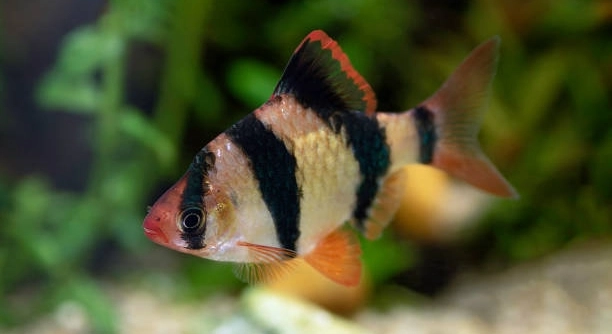
Barbs are lively fish that often bring joy to home aquariums. Sometimes, they suddenly seem distant or less interactive. This change can surprise fish owners who expect their pets to be active and social.
Barbs may act distant due to stress, illness, changes in water conditions, or disruptions in their environment. These factors can cause behavioral shifts as the fish try to cope or recover. Understanding the cause is key to addressing the issue.
Recognizing why your barbs behave differently helps maintain a healthy tank. Knowing what affects their mood and actions ensures they stay happy and vibrant in your care.
Common Causes of Distance in Barbs
Barbs can start acting distant for several clear reasons. One of the most frequent is stress. Stress can come from poor water quality, sudden changes in temperature, or overcrowding in the tank. These conditions make barbs feel unsafe, and they may hide or reduce activity. Illness also plays a big role. When fish are sick, they often isolate themselves and stop eating. Changes in their environment, like new tank mates or rearranged decorations, can also make barbs uneasy. Even subtle shifts can upset their routine. It’s important to regularly check water parameters and keep the tank stable. Observing the fish closely can help spot any signs of disease early. This way, problems can be addressed before they cause long-term issues.
Stress and illness are the main reasons barbs pull away and act distant in a tank.
A stable, clean environment helps keep barbs active and social. Paying attention to their behavior can prevent problems from growing worse.
How to Help Your Barbs Feel Comfortable Again
Helping barbs return to their normal behavior starts with improving their environment. First, test the water for ammonia, nitrites, and nitrates. Fixing any imbalance can reduce stress. Keeping the temperature steady within their preferred range is also important. Avoid sudden changes in lighting or tank setup. If you introduce new fish, do so slowly and watch how everyone interacts. If illness is suspected, consider consulting a vet or fish expert for proper treatment. Providing hiding spots can also help barbs feel secure. Feeding a balanced diet supports their health and boosts their immune system. Consistent care and observation are the best ways to encourage barbs to become lively again. Over time, with patience and the right adjustments, distant behavior usually improves, and the fish become more engaged with their environment.
Signs Your Barbs Are Feeling Distant
Barbs acting distant often hide in corners or stay still at the bottom of the tank. They might lose interest in food or stop swimming actively. These are clear signs that something is off.
Watching your barbs carefully can reveal subtle changes. Reduced movement, fading colors, and lack of interaction with other fish show they are stressed or sick. Sometimes, a barb may swim erratically or gasp near the surface, indicating poor water quality or oxygen levels. Paying attention to these behaviors early allows for quick action before problems worsen. Being aware of these signs helps maintain a healthier tank environment.
Recognizing these symptoms means you can adjust care, test water, and seek treatment if needed. Quick response prevents long-term harm and helps your barbs recover faster.
Environmental Factors Affecting Barb Behavior
Water quality plays a crucial role in how barbs behave. High ammonia or nitrate levels can cause discomfort and make them avoid normal activities. Uneven temperature or sudden changes create stress that leads to withdrawn behavior. Even noise or vibrations near the tank can disturb them. A crowded tank forces barbs to compete for space and resources, causing anxiety and distance. Keeping the tank clean and stable ensures barbs feel safe and comfortable. Regular water changes and proper filtration reduce harmful substances and maintain balance. A calm, well-maintained environment encourages barbs to be active and social again.
Tank Setup and Its Impact
The way a tank is arranged can affect barb behavior. Sharp decorations or a lack of hiding spots may make them feel unsafe.
Proper lighting and gentle water flow help barbs feel more at ease. Bright lights or strong currents can cause stress and distance.
Feeding Habits and Behavior
Irregular feeding or poor diet can make barbs less active and more withdrawn. A consistent schedule and balanced food are essential. Feeding high-quality flakes, pellets, and occasional live or frozen foods ensures they get necessary nutrients. Healthy barbs show more energy and social interaction.
Interaction with Other Fish
Barbs may act distant if tank mates are aggressive or too dominant. Keeping peaceful companions helps maintain a calm environment.
FAQ
Why do my barbs suddenly stop eating and act distant?
Barbs often stop eating and become distant when they are stressed or sick. Changes in water quality, temperature swings, or poor diet can cause this behavior. Illnesses like parasites or infections also make them lose appetite. It’s important to check water conditions and watch for other signs like spots or unusual swimming.
How can I tell if my barbs are stressed or just resting?
Barbs resting usually stay calm and show normal coloring. Stressed barbs may hide more, lose color, and stop swimming actively. They might also gasp at the surface or swim erratically. If your barbs avoid food and hide for long periods, it’s likely stress or illness.
What water parameters are best for barbs?
Barbs thrive in water with a temperature between 74°F and 79°F (23°C–26°C). The pH should be neutral to slightly acidic, around 6.5 to 7.5. Ammonia and nitrite must be zero, and nitrate levels should be kept below 20 ppm. Regular testing and water changes keep these stable.
Can tank mates cause barbs to act distant?
Yes, aggressive or overly active tank mates can stress barbs. If barbs feel threatened, they may hide or avoid interaction. Choosing peaceful companions and providing plenty of space can reduce this behavior.
How often should I feed my barbs?
Feed barbs once or twice a day with small amounts they can finish within two minutes. Overfeeding can pollute the tank and cause stress. A balanced diet with flakes, pellets, and occasional live or frozen foods keeps them healthy.
What are signs of common illnesses in barbs?
Look for faded color, white spots, frayed fins, or unusual swimming. Loss of appetite and hiding are also signs. If you notice these, test the water and consider treatment options like medication or quarantine.
How can I reduce stress in my barbs?
Keep the tank clean, stable, and well-maintained. Avoid sudden changes in water conditions or decorations. Provide hiding places and avoid loud noises or vibrations near the tank. A calm environment helps barbs feel secure.
Is it normal for barbs to hide sometimes?
Yes, barbs may hide during sleep or when resting. However, constant hiding combined with loss of appetite or color change indicates a problem.
How long does it take for barbs to recover from stress or illness?
Recovery time varies but usually takes a few days to weeks with proper care. Improving water quality, feeding well, and treating illnesses early help speed up recovery.
Should I separate distant or sick barbs from the main tank?
Separating sick barbs into a quarantine tank helps prevent disease spread and allows for focused treatment. It also reduces stress from other fish during recovery.
Can lighting affect barb behavior?
Yes, bright or fluctuating light can stress barbs. Using moderate, consistent lighting and providing shaded areas helps them feel comfortable.
Why do barbs sometimes swim at the bottom and seem inactive?
Swimming at the bottom can mean barbs are stressed, sick, or experiencing poor water quality. It may also happen if they feel unsafe. Testing the water and observing other symptoms can help determine the cause.
How important is tank size for barb behavior?
A spacious tank with enough room to swim and hide is essential. Crowded tanks increase stress and lead to distant behavior. A minimum of 20 gallons is recommended for a small group of barbs.
Can temperature fluctuations cause barbs to act distant?
Yes, sudden or frequent changes in temperature can stress barbs. Keeping the tank at a steady temperature within their comfort range is important for their well-being.
What should I do if my barbs keep acting distant despite care?
Reassess water quality, tank setup, diet, and tank mates. If everything seems fine, consult a fish expert or veterinarian. Sometimes, hidden illnesses or environmental factors may need professional advice.
Barbs are lively fish that usually enjoy being active and social in their tanks. When they suddenly act distant, it can be worrying. This change often signals that something in their environment or health is off. It is important to remember that fish, like barbs, rely heavily on stable water conditions, proper diet, and a peaceful environment to stay healthy. When these needs are not met, their behavior may shift as a way of coping. Observing your barbs closely can give you early clues that something needs attention. Recognizing the signs of stress, illness, or discomfort can help you make the right changes to improve their well-being.
Taking good care of barbs means keeping their tank clean and stable. Regularly testing water quality and making sure temperature and pH stay within a healthy range is key. Feeding them a balanced diet on a schedule also supports their health and energy. Beyond the basics, the tank setup itself matters. Providing enough space, hiding spots, and gentle water flow helps barbs feel safe and less stressed. Even the choice of tank mates affects how comfortable barbs feel. Aggressive fish or overcrowding can make barbs shy away and act distant. By paying attention to all these factors, you create an environment where your barbs can thrive and show their usual lively behavior.
If your barbs do start to act distant, don’t panic. Instead, take a step back and check their environment and health. Sometimes small adjustments make a big difference. It might be a simple fix like cleaning the tank or adjusting the temperature. Other times, you may need to treat illness or separate a stressed fish to give it space to recover. Patience is important, as it can take time for barbs to bounce back. With consistent care and attention, most barbs will regain their usual activity and social nature. Keeping their home stable and comfortable is the best way to enjoy watching these colorful fish in their happiest state.

Hello,
If you enjoy the content that we create, please consider saying a "Thank You!" by leaving a tip.
Every little bit helps us continue crafting quality advice that supports the health, happiness, and well-being of pets around the world, for pets of all shapes, sizes, and species.
We really appreciate the kindness and support that you show us!