
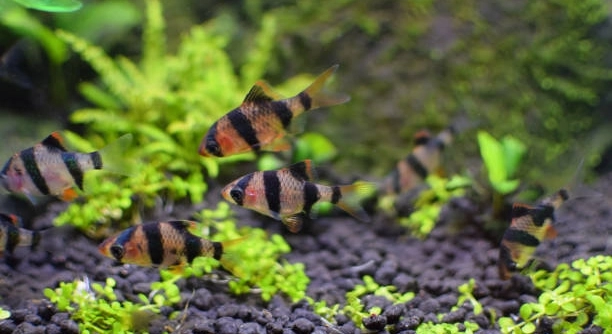
Do your tiger barbs often huddle near corners, leaving you wondering if something might be wrong with their setup or behavior?
Tiger barbs may group near corners due to stress, inadequate tank conditions, or social dynamics within their school. Environmental factors like poor water quality, insufficient space, or lack of hiding spots can also influence this behavior.
Recognizing these subtle signs can help improve your fish’s environment and create a more comfortable space for them to thrive.
Common Reasons Behind the Behavior
Tiger barbs are active fish, but they can show signs of stress or discomfort by huddling near corners. This behavior often happens when they feel unsafe or out of place in their tank. Poor water quality, sudden changes in temperature, or strong water currents can make them seek refuge in one area. They may also react to a tank that’s too small or lacks proper hiding spots. Without enough space or cover, tiger barbs can feel exposed. Tank mates also matter—if they are housed with aggressive or overly calm fish, they may feel intimidated or bored. Group size plays a role too. Tiger barbs do best in schools of six or more, and smaller groups can make them anxious. Paying attention to these basic needs helps reduce corner-hugging behavior and keeps them more active and comfortable in the tank.
Even lighting and a calm environment also help them feel secure.
Feeding issues may add to their stress. If food is scarce or competition is too high, they might avoid the center of the tank. Uneven feeding routines can create anxiety, especially in smaller groups. Keeping them well-fed on a consistent schedule helps lower tension and supports better behavior.
When to Be Concerned
If your tiger barbs are constantly hiding in the corners and showing no interest in food or swimming, this might be a sign something is wrong. Occasional resting is normal, but ongoing avoidance suggests a bigger issue.
Check the tank conditions right away. Poor water quality is one of the most common causes of stress. Use a test kit to check for ammonia, nitrites, nitrates, and pH imbalances. Even small changes in these levels can affect their health. If water changes have been missed or the filter isn’t working properly, fix that immediately. Look at the tank temperature as well—sudden drops or rises may trigger this behavior. Make sure the heater is set to a stable temperature between 74–79°F. Consider their tank mates too. Aggressive or faster-swimming fish may cause tiger barbs to retreat. Finally, keep an eye on their bodies. Clamped fins, dull color, or white spots can signal illness. If these signs appear, it’s best to isolate the fish and consult a vet or local aquarium expert.
How Tank Setup Can Influence Behavior
A cramped or poorly arranged tank can make tiger barbs anxious. Without enough space or structure, they may feel cornered or exposed, leading them to huddle together in one area for a sense of safety.
Start with tank size. A group of six or more tiger barbs needs at least a 20-gallon tank, though larger is better. They are fast swimmers and need open space to move around. Add plants, driftwood, or decorations to give them hiding spots and natural barriers. This helps break up their line of sight and lowers aggression between fish. Strong currents or sudden lighting changes can also unsettle them, so use gentle filtration and avoid harsh lighting. Place decorations near corners to make those areas feel safer but less isolating. Creating a balanced setup helps reduce stress and encourages your tiger barbs to explore more of the tank.
Sometimes the issue lies in how things are arranged. Too much clutter in the middle can make the tank feel tighter than it actually is. Try placing open swimming space in the center and using plants or rocks around the edges. This layout encourages more movement while still offering safe zones. The more natural and well-spaced the setup feels, the more secure the fish will be. Even shifting a few decorations can help reduce territorial behavior or crowding in one spot. A calm, structured environment gives your tiger barbs the chance to swim freely without retreating to corners as a habit.
The Role of Social Dynamics
Tiger barbs are social but have a pecking order. If one fish is being chased or picked on, it may retreat to a corner to stay out of the way. This is common in smaller or unbalanced groups.
A group of six or more usually keeps aggression more evenly spread. When there are too few fish, one or two may become constant targets. Watch how they interact—chasing, nipping, or one fish always staying away from the others is a red flag. Rehoming aggressive tank mates or increasing the group size can help. Also, rearranging the tank can reset territorial patterns. In some cases, even adding more cover or dividing the visual space helps. Keep an eye on feeding times too. Fish that don’t get food may stay in corners to avoid competition. Fixing group size and structure usually leads to better balance and less hiding behavior.
Feeding Habits and Activity Levels
Inconsistent feeding times or uneven food distribution can stress tiger barbs. When they compete for food and feel left out, they may avoid the center and gather in safer areas like corners.
Low energy or loss of appetite might also lead them to stay still. If they aren’t getting enough nutrients, their behavior changes and they become less active.
Signs of Illness to Watch For
If corner-huddling is paired with clamped fins, loss of color, or erratic swimming, illness could be the cause. Parasites, bacterial infections, or poor water quality can trigger these changes. Treating the water and isolating sick fish early can prevent the problem from spreading. Regular observation makes a difference.
When Behavior Becomes Habit
Even after fixing conditions, some tiger barbs may still stick to corners out of habit. Consistency in care, tank structure, and feeding will help them feel safer over time.
FAQ
Why do tiger barbs always stay in the corners of the tank?
Tiger barbs often stay in corners when they feel stressed or unsafe. This can happen due to poor water quality, lack of hiding places, or aggression from other fish. Corners give them a sense of security because they have walls on two sides, reducing the area they need to watch. It’s a natural way for them to feel protected when something in their environment isn’t right. Improving tank conditions usually helps reduce this behavior.
Can the size of the tank affect their corner-huddling?
Yes, a small tank can make tiger barbs feel cramped and stressed. They are active swimmers and need enough space to move freely. When the tank is too small, they might group in corners to avoid each other or to feel less exposed. Providing a larger tank and enough decorations to create safe zones encourages them to explore more and reduces corner gathering.
Is it normal for tiger barbs to hide sometimes?
It is normal for tiger barbs to rest or hide occasionally. Like many fish, they need quiet moments to relax. However, if they hide constantly or only stay in corners, it could be a sign of stress, illness, or poor tank conditions. Watching for changes in their behavior or appearance helps determine if hiding is normal or a problem.
How does the group size affect tiger barbs’ behavior?
Tiger barbs do best in groups of six or more. Smaller groups can cause stress because the fish may become targets of aggression or feel lonely. When the group is large enough, the fish spread out aggression evenly, which lowers stress. If the group is too small, corner-huddling and hiding are more likely as a survival response.
Can tank mates influence their corner-huddling?
Yes, the types of fish living with tiger barbs can greatly affect their behavior. Aggressive or very passive tank mates might intimidate them, causing them to retreat to corners. It’s important to choose compatible fish that match their energy levels and temperament to maintain a balanced tank environment.
What role does water quality play in this behavior?
Poor water quality is one of the top reasons tiger barbs feel stressed and hide. Ammonia, nitrites, or nitrates build-up can cause discomfort or illness. Regular water testing and changes keep conditions safe. When water quality is good, tiger barbs feel more comfortable swimming openly and exploring the tank.
Could feeding routines impact their corner-huddling?
Uneven or inconsistent feeding can create competition and stress, leading some tiger barbs to avoid the group and stay in corners. Feeding small amounts evenly spread throughout the tank reduces competition and ensures all fish get food. This helps keep the group calm and active.
How do I know if corner-huddling means my fish are sick?
If corner-huddling comes with other signs like faded colors, clamped fins, lethargy, or unusual swimming patterns, illness could be the cause. Sick fish often isolate themselves to conserve energy or avoid aggression. Quick treatment and isolation from healthy fish can help prevent disease spread.
Will changing the tank decorations help?
Rearranging or adding decorations can help by breaking up territories and providing more hiding spots. This reduces stress and aggression, encouraging tiger barbs to explore instead of staying in corners. Open swimming space combined with plenty of cover creates a balanced environment.
How long does it take for tiger barbs to stop corner-huddling?
Once tank conditions improve, behavior may take days or weeks to change. Some fish are more cautious and slow to adjust. Consistent care, stable water parameters, and good group size encourage them to feel safe and swim more freely over time.
Is corner-huddling a sign of aggression within the group?
Corner-huddling can sometimes be a reaction to aggression. If one or two fish are bullying others, the victims may hide in corners to avoid conflict. Observing interactions and ensuring the group is large enough can reduce aggressive behavior and help all fish feel safer.
Can temperature changes cause this behavior?
Sudden or extreme temperature changes can stress tiger barbs, causing them to seek shelter. Keeping the tank temperature stable between 74–79°F helps maintain their comfort and prevents stress-related behaviors like corner-huddling.
What is the best way to encourage tiger barbs to swim openly?
Providing a spacious tank with stable water conditions, enough hiding places, and a proper group size encourages active swimming. Feeding evenly and selecting compatible tank mates also helps. When tiger barbs feel secure and well cared for, they explore more and spend less time hiding in corners.
Tiger barbs are lively fish that can sometimes show signs of stress by staying close to corners in their tank. This behavior usually points to something in their environment making them feel unsafe or uncomfortable. It might be related to water quality, tank size, or the way the tank is arranged. Sometimes, it’s about their social group or even their feeding schedule. Understanding why they do this helps in creating a better home for them. When you notice your tiger barbs clustering near the edges, it’s a good signal to check on their living conditions and make any necessary changes.
Improving the tank environment often reduces this corner-huddling behavior. Making sure the water is clean and balanced is one of the most important steps. Using a water testing kit regularly can help you spot any issues early. Also, keeping the tank spacious and adding plants or decorations gives the fish places to hide and explore. This makes them feel safer and less likely to stay in one spot. Feeding them on a regular schedule and in the right amounts also keeps stress low. It’s important to keep the group size of tiger barbs at six or more, as they are schooling fish and do better with company. A well-set-up tank and a healthy social group help them stay active and curious.
Sometimes, even after fixing everything, some tiger barbs may continue to stay near the corners. This can be a habit or a sign they are still getting used to changes. Patience is key here. Consistency in care and a calm environment will encourage them to explore more as they grow more comfortable. Watching their behavior closely and responding to their needs will help you keep your tiger barbs healthy and happy. When the fish feel secure, they will swim freely and show the lively personality they are known for. Taking small steps to improve their tank life makes a big difference over time.

Hello,
If you enjoy the content that we create, please consider saying a "Thank You!" by leaving a tip.
Every little bit helps us continue crafting quality advice that supports the health, happiness, and well-being of pets around the world, for pets of all shapes, sizes, and species.
We really appreciate the kindness and support that you show us!